

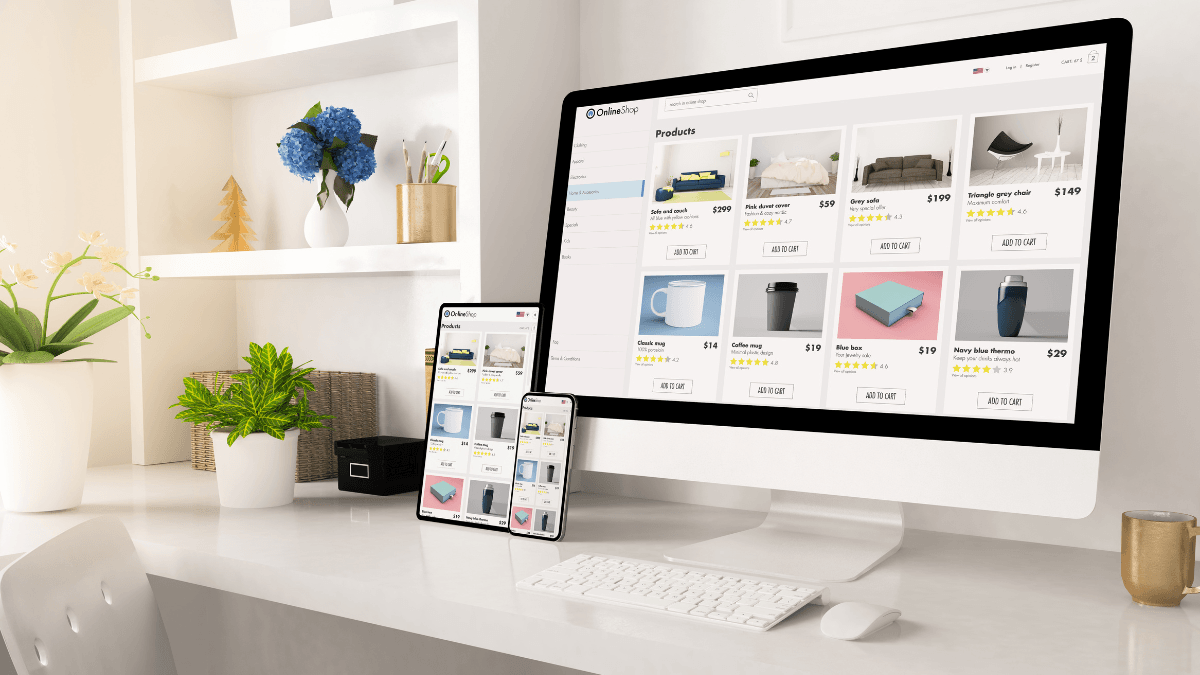
Dominate Shopify SEO with Optimized Product Pages to Skyrocket Sales and Visibility
Fine-tuning your Shopify product pages transforms your online store into a powerhouse of visibility and conversions. By strategically integrating keyword-rich descriptions, entity-focused imagery, structured data, and intuitive navigation, you create a high-performing sales engine. Mastering on-page elements like titles, meta descriptions, alt text, and internal linking ensures your pages resonate with both user intent and search engine algorithms, paving the way for a significant surge in organic traffic and sales.
This comprehensive guide dives deep into why Shopify product page SEO is crucial, how to craft compelling product narratives, optimize your visuals, implement structured data like a pro, build a robust internal linking architecture, boost page speed, harness the power of customer reviews, explore advanced techniques, and effectively measure your success. Throughout, we’ll illustrate how seasoned e-commerce specialists, like the Shopify experts at Blackbelt Commerce, leverage these principles to drive tangible growth for online businesses.
Elevating Shopify Product Pages Through Optimization
Optimizing Shopify product pages means crafting crystal-clear descriptions, utilizing high-impact visuals, and ensuring a flawless mobile experience. Incorporating customer testimonials, social proof, and fine-tuning page load speeds are also key to boosting conversions and SEO performance.
This insightful source provides a foundational overview of product page optimization, a cornerstone of our discussion on Shopify SEO.
Why is Shopify Product Page SEO a Game-Changer for Your E-commerce Success?
The SEO performance of your Shopify product pages directly impacts how easily customers can find you and how much revenue you generate. By helping search engines truly understand what you offer, you can precisely match your products to what buyers are searching for. When your product pages rank higher for specific keywords, like “optimize product pages on shopify,” you’ll see a significant increase in click-through rates and attract more qualified leads. Enhanced visibility also builds crucial trust signals that empower customers to make purchasing decisions.
By clearly defining the intent and relevance of each page, effective SEO dramatically reduces bounce rates and keeps visitors engaged longer, directly boosting your conversion metrics. In today’s mobile-first indexing landscape, search engines prioritize pages that deliver valuable content swiftly. Therefore, meticulously optimizing every single product page is non-negotiable for sustained e-commerce growth.
How Does SEO Elevate Shopify Product Page Visibility and Drive Sales?
SEO works its magic on product pages by harmonizing four critical pillars: content relevance, technical excellence, user experience, and authority. For instance, crafting keyword-optimized titles directly influences ranking algorithms, while lightning-fast load times satisfy Google’s Core Web Vitals. When these elements align, your product pages climb higher in search engine results pages (SERPs), drawing in more targeted traffic ready to buy.
A compelling title and a persuasive meta description are your first handshake with potential customers, significantly increasing your click-through rate and enticing them to explore further. Once they land on your page, optimized images and structured data not only delight users but also increase your chances of appearing in eye-catching rich result features, further amplifying your visibility.
What Are the Core Shopify Product Page Elements You Need to Optimize?
Before we dive into the tactical execution, it’s vital to identify the key components of a Shopify product page that demand your optimization focus:
- Product Title: This is your primary identifier, clearly stating the item using relevant keywords and distinctive brand attributes.
- Product Description: This is where you sell. Communicate features, benefits, and specifications using rich, descriptive language that resonates with your target audience.
- Product Images: These visual assets are crucial. Reinforce their impact with descriptive alt text and optimized file names.
- User Reviews: This powerful social proof, when marked up with review schema, can generate star ratings directly in SERPs, building immense trust.
These elements form the semantic bedrock that search engines like Google use to connect your content with shopper intent, setting the stage for enhanced visibility and increased conversions.
How Does Mobile-First Indexing Shape Your Shopify Product Pages?
Mobile-first indexing means Google primarily relies on the mobile version of your website for ranking and indexing purposes. This makes a responsive design, optimized images, and concise content blocks absolutely essential. If your product pages load sluggishly or critical information is hidden behind cumbersome tabs, you risk plummeting search rankings and alienating mobile shoppers.
By compressing images, streamlining JavaScript, and prioritizing content that appears above the fold, you ensure mobile visitors have a swift and engaging experience. When your page performance meets Google’s stringent benchmarks, you unlock both superior search positions and a more engaged user base.
How to Master Shopify Product Descriptions for Both SEO and Conversions?
Unique, detailed product descriptions are the bridge between search engine relevance and persuasive selling. By naturally weaving in your target keywords, emphasizing features with rich, descriptive language, and clearly articulating your product’s unique selling proposition (USP), you empower shoppers to make confident purchasing decisions.
What Are the Golden Rules for Keyword Integration in Shopify Product Descriptions?
Effective keyword integration starts with thorough research to uncover both broad terms and specific long-tail variations. Strategically place your primary keywords (e.g., “optimize product pages on shopify”) within the title and the first 50 words of your description. Then, sprinkle related phrases (e.g., “Shopify SEO best practices,” “product page optimization guide”) throughout the content. Crucially, avoid keyword stuffing by maintaining a natural, conversational tone and grouping semantically related synonyms.
- Begin your descriptions with the main keyword to immediately signal relevance to search engines.
- Distribute secondary keywords effectively within bullet points or subheadings for enhanced readability.
- Incorporate Latent Semantic Indexing (LSI) keywords such as “e-commerce SEO,” “on-page optimization,” or “search engine visibility” to enrich context.
This balanced approach provides clarity for search engines while ensuring a smooth, engaging read for your customers, significantly increasing your chances of securing rich snippets and featured answers.
How to Leverage Entity-Rich Language to Showcase Product Features?
Entity-rich language involves pairing specific attributes with their corresponding values, enabling search engines to accurately index key product characteristics. For instance, instead of a generic statement like “This dress is beautiful,” opt for specifics: “This silk midi dress features an elegant boat neckline, breathable 100% chiffon fabric, and intricate hand-embroidered floral accents.”
By providing clear attribute-value pairs, you not only enhance the SEO context of your product but also build shopper confidence by clearly articulating its unique selling points.
How to Craft Compelling Unique Selling Propositions (USPs) in Product Descriptions?
Your USP is what sets you apart from the competition, highlighting exclusive benefits that customers can’t find elsewhere. For example: “Our vegan leather tote bag is meticulously crafted from 100% cruelty-free materials, features reinforced seams for exceptional durability, and comes with a lifetime repair warranty.”
- Emphasize Exclusivity: Detail any proprietary processes, unique materials, or special craftsmanship involved.
- Quantify Benefits: Provide concrete metrics (e.g., “supports up to 25 lbs,” “lasts 50% longer”).
- Build Unshakeable Trust: Clearly state any warranties, certifications, or guarantees that back your product.
Well-defined USPs are powerful drivers, increasing click-through rates from search results and solidifying purchase decisions once customers reach your product page.
What Are the Top Shopify Product Image SEO Strategies?

Images are more than just visual appeal; they are powerful contributors to your search engine visibility. By optimizing alt text, file names, compression, and implementing lazy loading, you ensure both peak performance and enhanced relevance for your product imagery.
Mastering Image SEO for Shopify
Image SEO involves using correct image dimensions, descriptive file names, and keyword-rich alt attributes to significantly improve your images’ ranking potential in Google Images. Optimizing your visuals can also dramatically decrease page load times and drive more traffic to your e-commerce store.
This expert advice reinforces the critical importance of image optimization techniques for Shopify product pages.
How to Write Descriptive, Entity-Rich Alt Text for Shopify Product Images?
Alt text serves a dual purpose: it ensures accessibility for visually impaired users and provides crucial SEO context for search engines. Craft complete, descriptive sentences that accurately portray the image’s content and strategically incorporate relevant entities. For example:
- Always begin with the primary entity (e.g., “Blackbelt Commerce Shopify Plus expert”).
- Precisely describe the action or feature depicted (e.g., “configuring SEO settings”).
- Keep your alt text concise, ideally under 125 characters, for optimal screen reader compatibility.
This meticulous approach helps search engines accurately index your image content and significantly boosts your chances of appearing in valuable visual search results.
What Are the Most Effective Image File Naming Conventions for SEO?
Naming your image files with hyphens and clear, descriptive terms reinforces keyword relevance and helps search engines understand the image content. Ditch generic names like and opt for descriptive, entity-focused names instead:
- blackbelt-commerce-shopify-seo-dashboard.png
- organic-cotton-tshirt-front-view.jpg
By embedding key entities and attributes directly into your file names, you enhance your prospects for prominent image search placements and ensure a consistent, optimized structure across your entire website.
How to Leverage Image Compression and Lazy Loading to Supercharge Page Speed?
Large, high-resolution images are notorious for slowing down page loads, which negatively impacts both user experience and SEO. Utilize compression tools (like TinyPNG) to significantly reduce file sizes without compromising visual quality. Implement lazy loading so that images positioned below the fold only load when they come into the user’s view. Together, image compression and lazy loading dramatically decrease Largest Contentful Paint (LCP) times and ensure compliance with Core Web Vitals, resulting in faster pages and higher search rankings.
How to Implement Structured Data Markup for Maximum Impact on Shopify Product Pages?

Structured data is your secret weapon for helping search engines extract and prominently display detailed product information directly within SERPs. By implementing schemas like , , , and , you unlock powerful rich results, including star ratings, price filters, and clear breadcrumb navigation.
Unlocking Shopify’s Potential with Structured Data
Integrating structured data into your Shopify store empowers search engines to better comprehend your webpage content, which can lead to the display of rich snippets in search results. Implementing schema markup for products, offers, customer reviews, and FAQs can significantly boost click-through rates and overall visibility.
This authoritative source underscores the critical role of structured data, a key component of our in-depth article.
What Essential Product Schema Properties Should You Include?
A comprehensive schema should always include:
- name (your product title)
- image (the URL of your product images)
- description (a concise, compelling summary)
- sku, mpn, gtin14 (essential unique identifiers)
- brand (the manufacturer or brand name)
- offers (details on price, currency, and availability)
- aggregateRating (the overall rating value and total review count)
Providing these detailed properties enables search engines to display valuable information like price badges, star ratings, and availability statuses directly in SERPs, significantly enhancing click-through rates.
How to Leverage FAQPage Schema to Supercharge Product Page SEO?
Embedding a dedicated FAQ section with markup allows you to answer common customer questions directly within the SERPs. For example, address queries like:
- “What specific materials are used in the creation of this product?”
- “What are the recommended care instructions for this item?”
This practice not only positions your brand as a helpful authority but also dramatically increases your chances of appearing in valuable “People Also Ask” search result panels.
Why is BreadcrumbList Schema Crucial for Superior Navigation and SEO?
schema provides a clear roadmap of your site hierarchy for both search engines and users, facilitating seamless navigation. When these clickable breadcrumbs are displayed in SERPs, they boost the visibility of your category pages and signal a well-organized site structure, leading to improved crawl efficiency and enhanced user satisfaction.
What Are the Most Effective Internal Linking Strategies for Shopify Product Pages?
A robust internal linking strategy is paramount for distributing link equity across your entire store and guiding both search engine crawlers and potential customers to relevant products and content, ultimately boosting your overall SEO performance.
How to Strategically Link Collections to Individual Product Pages?
Link effectively from your collection pages by embedding contextual anchor text within curated product listings. For instance, a phrase like: “Explore our organic skincare essentials” linking to a specific product leverages the authority of the category page and clearly defines user intent before they even click.
What Are the Best Practices for Linking Related Products?
Implement a “You May Also Like” or “Frequently Bought Together” section prominently below your product descriptions to showcase semantically related items. Use anchor text that clearly describes the relationship between the products, such as “complementary vegan leather accessories” when linking to belts, wallets, or bags that pair perfectly with the main product.
How Can Blog Content Power Up Your Product Page SEO?
Strategically place contextual internal links from your blog articles—for example, a post discussing “Sustainable Fashion Trends” linking directly to your eco-friendly tote bag—to reinforce semantic relevance and significantly boost product page rankings for both informational and transactional search queries.
How to Dramatically Improve Shopify Product Page Speed and Core Web Vitals?
Page speed is a critical determinant of search engine rankings and user experience. Optimizing your theme, apps, and implementing continuous monitoring are essential for maintaining consistent, high-level performance at scale.
Understanding Core Web Vitals
Core Web Vitals are a set of key metrics that Google employs to evaluate a website’s user experience. These include Largest Contentful Paint (LCP), First Input Delay (FID), and Cumulative Layout Shift (CLS). Improving these vital metrics can lead to demonstrably better SEO rankings and a superior user experience.
This authoritative source provides crucial insights into page speed optimization and Core Web Vitals, vital elements for effective Shopify SEO.
What Theme Optimization Techniques Will Boost Shopify Page Speed?
Prioritize lightweight, expertly coded themes that minimize render-blocking resources. Consolidate your CSS files, defer JavaScript execution, and judiciously limit third-party scripts. This strategic approach significantly reduces Time to Interactive (TTI) and accelerates First Contentful Paint (FCP).
How Do Shopify Apps Impact Product Page Loading Times?
Each app you install introduces additional code and network requests, which can collectively slow down your site. Regularly audit and remove any unused apps, consolidate their functionalities where possible, or opt for app blocks that load dynamically only on relevant pages. Prioritize apps that are optimized for asynchronous loading to prevent them from hindering the loading of your core content.
How to Effectively Monitor and Maintain Core Web Vitals for Shopify Products?
Leverage Google Search Console’s dedicated Core Web Vitals report and utilize real-user monitoring tools like Lighthouse and PageSpeed Insights. Establish automated alerts for any performance regressions and conduct thorough quarterly audits to ensure your pages consistently remain within Google’s recommended thresholds.
How to Harness Product Reviews and User-Generated Content for Shopify SEO?
Customer reviews and user-generated content (UGC) are invaluable for building trust and generating fresh, keyword-rich content. When managed effectively, they significantly bolster both on-page authority and crucial social proof.
Why Are Product Reviews Absolutely Critical for Shopify SEO and Conversions?
Reviews introduce unique, customer-centric language that expands your semantic context and effectively targets long-tail search queries. With a staggering 93% of consumers influenced by star ratings, prominently featuring verified customer feedback directly on your product pages is a powerful strategy for boosting both SEO performance and conversion rates.
How to Implement Review and AggregateRating Schema on Product Pages?
Seamlessly nest and schemas within your main schema. Ensure you include essential properties such as , , and . This precise markup is what powers those coveted star ratings in SERPs and provides shoppers with immediate, compelling social proof.
What Are the Best Practices for Managing User-Generated Content on Shopify?
Actively encourage customers to leave reviews through automated post-purchase email requests. Implement a moderation process to filter out spam or inappropriate content, and ensure you display a balanced mix of both positive and constructive feedback. Tag common themes that emerge in reviews—such as “durability” or “fit”—to identify valuable new keywords for your product descriptions and FAQs.
What Advanced Shopify Product Page SEO Tactics Should You Employ?
Stay ahead of the curve by optimizing for emerging trends like voice search and international markets, and by implementing data-driven improvements that directly impact your conversion rates.
How to Optimize Shopify Product Pages for Voice and Visual Search?
For voice queries, craft conversational question-and-answer sections within your product descriptions or dedicated FAQ areas. To effectively support visual search, embed high-quality image metadata and strictly adhere to accessible alt text best practices, ensuring seamless compatibility with powerful tools like Google Lens.
What Are the Top International SEO Best Practices for Shopify Products?
Utilize Shopify’s robust multi-language and multi-currency features to deliver perfectly localized product pages to global audiences. Implement correct tags through Shopify’s language settings and develop region-specific content that thoughtfully references local terminology, measurements, and currencies.
How to Use Data-Driven SEO to Maximize Shopify Product Conversions?
Dive deep into on-page user behavior analytics—including scroll depth, time on page, and click maps—to pinpoint content gaps and areas for improvement. Conduct rigorous A/B testing on title variations, description formats, and image layouts. Apply these valuable analytics insights to refine your keyword targeting and layout decisions, ultimately boosting both your search rankings and your conversion rates.
How to Measure Success and Continuously Optimize Your Shopify Product Pages?
Consistently tracking the right key performance indicators (KPIs) and conducting regular audits are essential for ensuring your optimization efforts yield lasting, impactful results.
What KPIs Should You Use to Track Shopify Product Page SEO Performance?
Your essential key performance indicators include:
- Organic Traffic: This metric directly measures improvements in visibility for your product-related search queries.
- Rich Snippet Impressions & CTR: Gauges the effectiveness of your structured data implementation.
- Core Web Vitals Scores: Reflects the overall health and speed of your pages.
- Conversion Rate from Organic Traffic: Demonstrates the direct revenue impact of your SEO initiatives.
Diligent monitoring of these metrics will clearly reveal which optimizations are delivering the greatest return on investment.
Which Tools Are Indispensable for Monitoring Structured Data and SEO Metrics?
Make Google Search Console your go-to for performance and rich result reports. Leverage powerful tools like Semrush or Ahrefs for in-depth keyword tracking and competitive intelligence. Use Google’s Rich Results Test to meticulously validate your schema markup. Combining these essential tools ensures comprehensive coverage of both on-page and technical SEO factors.
How Frequently Should You Audit and Update Shopify Product Page SEO?
Conduct comprehensive quarterly audits to refresh content, update statistics, and identify new optimization opportunities. Perform in-depth bi-annual semantic reviews focusing on schema implementation and navigation structure. Implement immediate updates whenever you introduce new products, make significant feature changes, or in response to major core algorithm updates from search engines.
By systematically implementing these advanced strategies—and partnering with expert Shopify SEO specialists—you cultivate a dynamic e-commerce ecosystem that consistently scales search visibility, elevates user experience, and drives sustainable, long-term revenue growth.
Ready to propel your Shopify store to new heights? Connect with the dedicated Shopify experts at Blackbelt Commerce for a personalized consultation and witness your optimized product pages deliver unprecedented results.

