


Shopify Supported Payment Providers: Finding Your Perfect Match
Selecting the right payment gateway is a game-changer for your Shopify store’s conversion rates and bottom line. As Shopify’s ecosystem keeps expanding, its supported payment providers offer a rich tapestry of features—think multi-currency capabilities, robust fraud protection, and slick checkout flows—designed to meet a wide array of merchant needs. This guide is your deep dive into the main Shopify payment providers, a head-to-head comparison of Shopify Payments versus third-party options, and a breakdown of crucial factors like fees, speed, and security. We’ll explore international players, weigh the pros and cons of native versus external processors, segment recommendations for businesses of all sizes, walk you through integration steps, and touch on compliance essentials. By the time you’re done, you’ll have a crystal-clear understanding of which Shopify payment gateway best fits your sales volume, global aspirations, and platform optimization goals. Plus, you’ll see how BlackbeltCommerce’s e-commerce development prowess can ensure a smooth, growth-focused integration.
What Are the Core Shopify Payment Gateways?
Shopify payment gateways are essentially the third-party services or built-in processors that handle your credit card and digital wallet transactions, ensuring your funds are authorized and settled securely. Getting a handle on the range of supported providers is key to optimizing fees, enhancing the checkout experience, and expanding your geographic reach. For instance, Shopify Payments offers a tightly integrated experience, while alternatives like PayPal and Authorize.Net bring their own specialized global features to the table. Understanding these options lays the groundwork for choosing a gateway that truly aligns with your store’s volume, location, and customer preferences.
Which Payment Providers Does Shopify Support Worldwide?
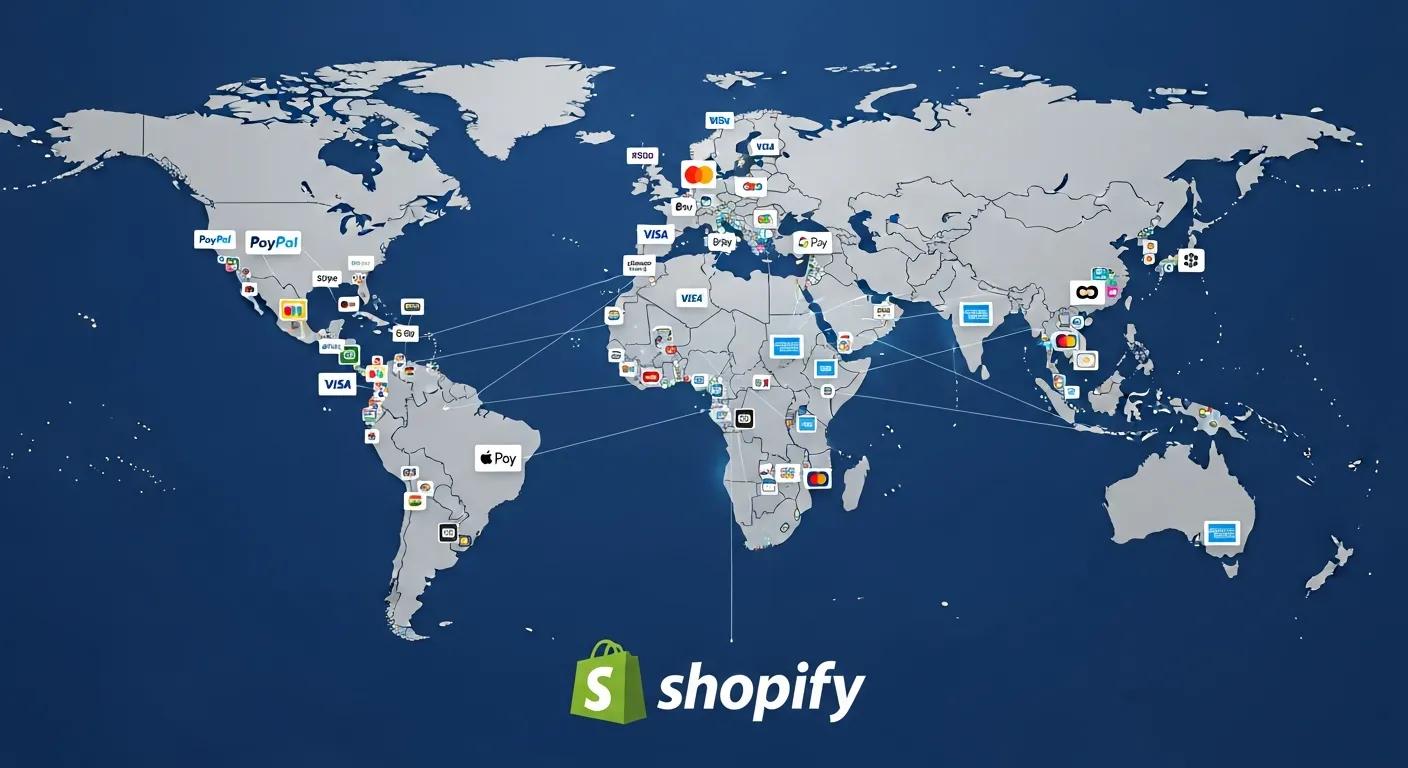
Shopify boasts an extensive network of global payment gateways, catering to merchants across diverse markets. Here’s a quick look at some key players, their fee structures, and where they operate:
This snapshot helps clarify fees and coverage for globally recognized gateways, setting the stage for us to dive into performance differences next.
How Do Shopify Payments Stack Up Against Third-Party Processors?
Shopify Payments offers a direct integration with your Shopify store, cutting out third-party setup fees and simplifying reconciliation. External processors, on the other hand, might require separate accounts and ongoing monthly subscriptions.
- Seamless Integration — Native setup means no complex API configurations.
- Unified Dashboard — All your transactions, refunds, and analytics live within your Shopify admin.
- Reduced Admin Hassle — No need for external logins, and chargeback handling is consolidated.
Each third-party processor, however, often brings its own set of advanced reporting tools or specialized fraud prevention capabilities, prompting us to explore those unique offerings in more detail.
Shopify Payments vs. Third-Party Gateways: The Showdown
Shopify Payments shines with its effortless integration and cost-effectiveness, while third-party gateways often provide more advanced features and broader global reach. The best choice hinges on your specific business needs, with Shopify Payments ideal for simplicity and third-party options for specialized functionalities or extensive international sales.
This source offers a valuable comparison between Shopify Payments and third-party gateways, directly supporting our discussion on payment options.
What Are the Alternatives to Shopify Payments for Merchants?
Merchants have a variety of excellent alternatives if Shopify Payments isn’t available or doesn’t quite meet their needs:
- Amazon Pay, letting customers use their existing Amazon credentials.
- Digital wallets like Apple Pay and Google Pay for lightning-fast mobile checkouts.
- Regional powerhouses such as Alipay and Klarna for localized payment methods.
- Manual payment options (bank transfers, cash on delivery) for markets where digital isn’t king.
Exploring these alternatives reveals how different capabilities can either complement or replace Shopify Payments, helping us refine our selection criteria.
How to Pinpoint the Best Shopify Payment Processor for Your Business
Choosing the right processor boils down to scrutinizing fees, processing speed, security measures, and the overall impact on the customer experience. Establishing clear selection criteria ensures your Shopify payment gateway aligns perfectly with your revenue goals, customer base, and technical capabilities. For example, a high-volume store might prioritize razor-thin transaction fees, while a startup might lean towards ease of integration and global payment options.
What Fees and Transaction Costs Are Crucial to Consider?
Transaction fees and monthly charges can significantly impact your profit margins, so understanding them is vital. Key cost factors include:
- Per-transaction Rates — The percentage plus flat fee charged for each sale.
- Monthly Subscription Fees — Fixed charges for access to the gateway.
- Chargeback Fees — Administrative costs incurred when a customer disputes a charge.
- Currency Conversion Fees — Additional percentages applied to foreign transactions.
Breaking down these cost components sets the stage for understanding how processing speed can directly influence revenue velocity.
Shopify Transaction Fees: What You Need to Know
Shopify Payments comes with a per-transaction fee that can vary based on your plan and the payment method used. Opting for Shopify Payments often means avoiding the extra transaction fees associated with third-party providers.
This source provides valuable insights into fees and transaction costs, directly supporting our discussion on payment gateway expenses.
How Does Payment Processing Speed Affect Your Store’s Performance?

Faster authorization and settlement cycles mean quicker access to your funds and a reduced risk of cart abandonment. Key speed metrics to watch for include:
- Authorization Time — How long it takes to approve or decline a transaction (usually seconds).
- Settlement Time — How many days it takes for funds to land in your bank account.
- Payout Frequency — Whether you receive funds daily, weekly, or biweekly.
Optimizing for rapid settlements can significantly boost your ability to restock inventory and fund marketing campaigns, leading us to explore security features next.
Which Payment Providers Offer Top-Tier Security Features?
Robust security is non-negotiable; it protects against fraud and builds crucial buyer trust through measures like PCI compliance, encryption, and advanced fraud monitoring.
Shopify’s Built-in Security Arsenal
Shopify equips stores with a suite of security features, including SSL encryption, PCI DSS compliance, and sophisticated fraud analysis tools, all designed to safeguard online stores and customer data, ensuring a secure shopping environment.
This source reinforces our points on security features and their critical role in payment processing.
- Tokenization to securely remove sensitive card data from your systems.
- 3D Secure authentication, especially vital for European transactions.
- Machine-learning fraud screening to proactively block suspicious orders.
Implementing advanced security not only protects your business but also enhances the user experience by preventing disruptive issues, which ties directly into customer convenience.
What Shopify Payment Options Are Best for International Sales?
If you’re selling globally, you need gateways that expertly handle currency conversion, support local payment methods, and navigate cross-border regulations. Implementing the right international payment solutions can significantly broaden your market reach and simplify compliance for global operations, complementing efforts like localized pricing and multi-currency displays.
Which Payment Gateways Excel at Multi-Currency Transactions?
Allowing customers to pay in their preferred currency is a major conversion booster, enhancing transparency and trust.
Shopify’s Multi-Currency Capabilities
Shopify empowers businesses with multi-currency support through Shopify Payments, enabling them to display prices and accept payments in their customers’ local currencies. This feature significantly enhances the shopping experience and is a boon for international sales.
This source directly supports our discussion on multi-currency transactions and their benefits for global sales.
Here are some top gateways that handle multiple currencies:
Displaying prices in local currencies can dramatically reduce cart hesitation, paving the way for a deeper look at conversion costs.
How Do Currency Conversion Fees Impact Your Global Sales?
Currency conversion fees can add an extra 1–3% on top of standard transaction rates, chipping away at your margins with every foreign sale. Key factors to consider are:
- FX Spread — The difference between the real market rate and the rate applied by the gateway.
- International Surcharge — An additional percentage some gateways tack on for cross-border transactions.
- Settlement Currency — Whether your funds arrive in the local currency or your base currency.
Minimizing these fees is crucial for preserving profits while you expand into new international markets, guiding us toward identifying the best cross-border providers.
What Are the Top Shopify Payment Providers for Cross-Border Selling?
For truly seamless cross-border operations, prioritize gateways that offer robust local compliance, excellent multi-currency support, and a wide array of localized payment options. Leading choices include:
- Shopify Payments for its integrated multi-currency capabilities.
- Stripe for its extensive FX support and global risk management tools.
- Adyen for enterprise-grade regional coverage and advanced features.
- 2Checkout for straightforward global storefront pricing.
Evaluating these gateways helps inform the decision to weigh native Shopify Payments against broader, more specialized options in the next section.
What Are the Advantages and Disadvantages of Using Shopify Payments?
Shopify Payments is the platform’s native payment solution, offering seamless integration and unified reporting. However, it also comes with certain restrictions for specific markets or industries. A thorough assessment of its pros and cons is essential for choosing the optimal processor for your business.
How Does Shopify Payments Streamline Store Management?
Shopify Payments simplifies your operations by eliminating the complexities of separate account setups and consolidating all transaction data directly within Shopify’s admin panel:
- Automatic activation for eligible businesses.
- Real-time analytics accessible directly within the Shopify dashboard.
- No additional monthly fees for the payment gateway itself.
This centralized control accelerates decision-making and reporting. However, its availability can vary by region, a point we’ll explore next.
What Are the Limitations of Shopify Payments in Different Countries?
Shopify Payments isn’t available everywhere, meaning merchants in unsupported regions will need to rely on third-party alternatives. Key limitations include:
- Ineligible industries (e.g., certain types of e-cigarettes, gambling).
- Geographic restrictions (some markets in Latin America and Africa).
- Potential currency display limitations for certain European countries.
Navigating these limitations often requires a strategic approach with alternative payment solutions, especially concerning dispute resolution.
How Does Shopify Payments Handle Chargebacks and Disputes?
Shopify Payments provides built-in workflows for managing chargebacks and disputes. It helps you gather evidence and notifies you directly within the admin console. Key features include:
- Automated evidence submission processes.
- Easy tracking of chargeback status directly in Shopify.
- Standardized dispute fees applied per transaction.
Streamlined dispute handling significantly reduces administrative workload and helps merchants maintain healthy cash flow, leading us to compare recommendations based on business size.
Which Shopify Payment Providers Are Best Suited for Small vs. Large Businesses?
Payment processing needs vary significantly with scale. Small merchants often prioritize cost-effectiveness and simplicity, while larger enterprises demand high transaction throughput, extensive customization, and advanced risk management tools. Matching gateway capabilities to your business’s growth stage is crucial for long-term success.
What Payment Gateways Are Ideal for Startups and Small Stores?
Early-stage merchants typically benefit from straightforward setup, no monthly fees, and flexible pricing structures. Top options include:
- Shopify Payments for zero setup hassle and consolidated fees.
- PayPal Express Checkout for instant access and widespread brand recognition.
- Stripe for its developer-friendly APIs and absence of subscription costs.
These accessible solutions facilitate rapid launches and smooth customer onboarding. However, larger operations might require more robust, scalable platforms.
Which Payment Processors Are Built for High-Volume Shopify Stores?
Enterprise-level merchants need gateways that can handle thousands of transactions per hour with minimal downtime and offer bespoke integration capabilities. Leading providers in this space include:
- Adyen for global enterprise support and unified commerce solutions.
- Braintree for advanced fraud detection tools and a wide array of payment methods.
- Worldpay for high-volume settlement options and comprehensive treasury services.
High-volume processors also integrate seamlessly with ERP and CRM systems, ensuring end-to-end data flow. This brings us to how features align with growth plans.
How Do Payment Provider Features Align with Business Growth Strategies?
Scalability hinges on factors like API flexibility, robust risk management, and support for regional expansion. Critical attributes to look for include:
- Customizable Webhooks for real-time order event notifications.
- Dynamic Descriptor Management for clear, recognizable customer statements.
- Automated Reconciliation Tools to synchronize finance systems effortlessly.
Selecting providers with these growth-oriented features positions your business for global scaling. Now, let’s move on to integration best practices.
How Can You Seamlessly Integrate and Set Up Shopify Payment Gateways?
Integrating a payment provider on Shopify requires following precise steps to ensure secure transaction flows and maintain compliance. A streamlined setup process minimizes downtime and unlocks your sales potential right away.
What Are the Steps to Enable Shopify Payments on Your Store?
Enabling Shopify Payments is a straightforward process:
- Verify your business and banking details within your Shopify admin.
- Select the currencies you wish to support and your preferred payout schedule.
- Agree to the terms of service and complete any necessary tax forms.
- Conduct test transactions in a sandbox environment before going live.
Following these steps ensures instant activation and a unified dashboard experience. In contrast, connecting third-party gateways typically involves additional API configuration.
How Do You Connect Third-Party Payment Providers to Shopify?
Connecting an external gateway involves a few key steps:
- Create an account with your chosen provider and obtain your API keys.
- Navigate to Shopify’s Payment Providers settings and select “Third-party provider.”
- Enter your API keys and configure transaction preferences (like capture mode and refund workflows).
- Run test transactions to confirm webhook and callback functionality is working correctly.
Proper configuration is essential to prevent checkout errors. We’ll troubleshoot common issues in the next subsection.
What Common Issues Arise During Payment Gateway Setup?
Integration challenges can include API key mismatches, webhook timeouts, and currency misconfigurations. Common problems to watch out for are:
- Credential Errors — Incorrect merchant IDs or secret keys entered.
- Webhook Failures — Callbacks being blocked by firewall policies.
- Currency Mismatches — Your store’s currency not being enabled in the gateway account.
Resolving these issues promptly ensures reliable payment flows and a smooth customer experience, prompting us to compare top alternatives.
What Are the Top Shopify Payments Alternatives and Their Unique Benefits?
Beyond Shopify Payments, leading alternatives offer distinct advantages—such as advanced fraud detection, integrated financing options, or broader global coverage—that might better align with your specific merchant strategies. Evaluating these alternatives helps clarify when and why you might consider switching.
How Do PayPal, Stripe, and Other Alternatives Compare?
Here’s a quick rundown of key differences among popular alternatives:
- PayPal Express Checkout offers one-touch payments for its massive user base of over 360 million worldwide.
- Stripe provides highly customizable developer APIs and built-in subscription billing capabilities.
- Braintree supports payment vaulting and popular local payment methods like SEPA and ACH.
- Adyen delivers a unified omnichannel commerce experience with integrated risk controls.
These comparisons can guide merchants toward the solution that best fits their technical requirements and customer expectations, leading us to explore unique feature sets.
What Unique Features Do Shopify Payment Alternatives Offer?
Alternative gateways often differentiate themselves through specialized services:
- Flexible Financing Options — Buy Now, Pay Later solutions can significantly increase average order value.
- Local Payment Integrations — Support for methods like eDebit, iDEAL, and giropay caters to specific regional audiences.
- Robust Subscription Management — Native modules for handling recurring billing seamlessly.
- In-depth Fraud Analytics — Advanced behavioral scoring and 3D Secure orchestration.
Identifying these unique aspects is key for merchants deciding whether to upgrade from Shopify Payments.
When Should You Consider Switching from Shopify Payments?
Merchants should seriously evaluate alternatives if they find themselves needing:
- Advanced multi-currency hedging capabilities beyond what Shopify offers.
- Highly customizable checkout flows, perhaps through a headless commerce setup.
- Integrated financing solutions and loyalty program features.
- Enterprise-level support Service Level Agreements (SLAs) and dedicated account management.
Understanding these triggers ensures you select a gateway that can keep pace with your evolving operational requirements.
How Do Shopify Payment Providers Impact Your Store’s Checkout Experience?
The payment gateway you choose directly influences checkout speed, builds trust signals, and affects device compatibility—all critical factors for conversion rates. Optimizing your provider selection enhances user flows and significantly reduces abandonment throughout the purchasing journey.
What Payment Methods Are Proven to Increase Customer Conversion Rates?
Offering familiar and secure payment options is a proven way to boost completion rates. High-impact methods include:
- Digital Wallets — Apple Pay and Google Pay drastically reduce form-filling friction.
- Buy Now, Pay Later — Services like Klarna and Afterpay attract budget-conscious shoppers.
- Local Alternatives — Alipay and WeChat Pay are essential for key international markets.
Broadening your payment options signals relevance to a global audience, setting the stage for our discussion on mobile considerations.
How Does Mobile Payment Support Influence Sales Performance?
Mobile-optimized payments enable one-tap checkouts, accelerating transactions on smartphones and tablets. Key elements contributing to this are:
- Responsive UI seamlessly integrated into checkout templates.
- Wallet SDKs for smooth in-app and browser experiences.
- Fast Authentication using biometrics or PIN codes.
These enhancements significantly reduce cart abandonment on mobile devices and prepare us to delve deeper into digital wallets.
What Role Do Digital Wallets Play in Shopify Payments?
Digital wallets securely store encrypted payment credentials, enabling frictionless transactions and boosting trust with recognizable logos at checkout. Leading digital wallets include:
- Apple Pay, leveraging Face ID for authentication.
- Google Pay, utilizing tokenized card data for security.
- Shop Pay, offering accelerated checkout and order tracking features.
Implementing these wallets enhances both security and convenience, underscoring the critical importance of compliance in payment processing.
What Are the Legal and Compliance Considerations for Shopify Payments?
Payment gateways must rigorously adhere to industry regulations and data protection laws to shield merchants and customers from fraud and legal repercussions. A thorough evaluation of compliance is essential for sustainable operations and building trust.
How Do Payment Providers Ensure PCI Compliance?
PCI DSS (Payment Card Industry Data Security Standard) mandates that gateways implement specific security controls:
Payment Gateway Security: A Deep Dive
Shopify’s payment gateway security is robust, encompassing PCI DSS compliance, advanced fraud prevention tools, and data protection techniques like encryption and tokenization to ensure every transaction is safe and secure.
This source strongly supports our discussion on security features and their paramount importance in payment processing.
Having the gateway manage PCI compliance significantly reduces the technical burden on merchants. Next, let’s examine tax implications.
What Are the Tax Implications of Using Different Payment Gateways?
Payment providers play a key role in tax reporting by generating detailed transaction records that break down sales taxes, VAT, and GST. Key considerations include:
- Automatic Tax Calculation via integrated plugins or services.
- Detailed Tax Reporting exports available in CSV or XML formats.
- Regional Tax Compliance for digital goods and cross-border services.
Accurate tax handling simplifies bookkeeping and prepares merchants for evolving privacy law considerations.
How Do Privacy Laws Affect Payment Processing on Shopify?
Global privacy regulations, such as GDPR in Europe and CCPA in California, require transparent data handling practices and explicit consent mechanisms. Payment gateways support compliance through:
- Consent Banners for managing cookie tracking and user consent.
- Data Access Request APIs enabling customers to export their data.
- Data Minimization principles, often achieved through tokenization.
Understanding your privacy obligations is crucial for respecting customer rights and staying ahead of evolving regulations.
Operating with a compliant and efficient payment infrastructure not only builds unwavering trust with your customers but also positions your store for sustained, scalable growth in any market.
Crafting the perfect payment solution involves a delicate balance of cost, speed, security, and customer experience. By carefully mapping your sales volume, geographic reach, and technical capabilities to the features offered by Shopify Payments and its alternatives, you can optimize both conversion rates and operational efficiency. Whether you’re launching a charming local boutique or scaling a global enterprise, the insights in this guide empower you to select a payment processor that fuels your strategic objectives and adapts seamlessly as your store evolves.
Need a hand with integration or looking to supercharge your e-commerce optimization? Our expert team at BlackbeltCommerce is ready to help streamline your checkout, enhance your payment infrastructure, and drive measurable results for your business.
