


Blog updated with the most recent Shopify and eCommerce strategies on 05/02/2026.

Supercharge Your Shopify Store’s Search Rankings with Killer Backlink Strategies
Did you know backlinks are a massive driver of where your website lands in search results? If your collections and product pages are stuck on page two (or worse!), your revenue growth is hitting a wall. This guide is your playbook for snagging, dissecting, and maximizing backlinks for your Shopify store, all while staying perfectly in sync with Google’s ranking playbook. We’re diving deep into:
- What exactly a backlink is and why it’s pure gold for Shopify SEO
- Proven tactics to actually earn high-authority links
- The essential tools and processes for keeping your backlink profile sharp
- Smart ROI strategies and real-world success stories
- How to align your efforts with Google’s ranking signals and mobile indexing
- Leveraging structured data, internal linking, and continuous optimization
Need a hand with your Shopify SEO and off-page game? Check out Blackbelt Commerce – We’re the Shopify Experts and Shopify Plus Agency you need.
What Exactly Are Backlinks and Why Do They Rule Shopify SEO?
A backlink is simply a link from one website pointing to yours. Think of it as a digital nod of approval that boosts your link equity and directly tells search engines your store is trustworthy and relevant. For Shopify stores, backlinks are the engine that builds domain authority, drives targeted traffic, and makes your content impossible to ignore. Getting a handle on what makes them tick is your first step to mastering powerful link building.
The Real Deal on Backlinks and Search Rankings
Studies consistently show that backlinks are a heavyweight contender in determining where you rank on Google. Websites swimming in quality backlinks tend to outrank those with fewer or weaker links. Why? Because search engines see these links as genuine endorsements – proof that other sites find your content valuable and authoritative.
Smith, J., Journal of Digital Marketing (2022)
This research hammers home the point: backlinks are absolutely critical for climbing those search engine rankings.
Here’s a quick rundown of the key elements that give backlinks their SEO punch:
Each of these pieces plays a vital role in how your link-building efforts translate into real ranking wins. With these basics locked down, let’s get into the nitty-gritty of what defines a backlink and its purpose.
What Exactly Is a Backlink and Its Role in E-commerce SEO?
A backlink is a hyperlink from an outside website pointing to your Shopify store. It’s essentially a vote of confidence in your content. Search engines interpret each link as an endorsement, calculating the “link equity” that boosts your page authority. For e-commerce, backlinks are crucial for driving qualified traffic directly to your product pages and collections, while also signaling to Google that your products are relevant and trustworthy. Building a diverse backlink profile across blogs, resource pages, and industry sites is your ticket to sustained organic visibility.
How Do Backlinks Give Your Shopify Domain Authority and Rankings a Major Boost?
Backlinks are the fuel for domain authority. They aggregate link equity, which search engines use as a key ranking signal. When high-authority websites link to your Shopify store, your store’s overall trust score skyrockets. This elevated domain authority then flows down to your individual product and collection pages, making them far more likely to rank for those coveted keywords. Every quality backlink you earn is like adding another brick to your authority wall, accelerating your SEO growth and giving you the edge over competitors.
What’s the Difference Between White Hat and Black Hat Backlinks for Shopify Stores?
White hat backlinks are earned by playing by Google’s rules – think genuine value, like killer guest posts, helpful resource contributions, or smart digital PR. These build long-term SEO health and keep you safe from penalties. Black hat backlinks, on the other hand, rely on shady tactics like link schemes, paid link networks, or automated spamming. These can land you in hot water with algorithmic or manual penalties. Always prioritize white hat link building to protect your Shopify store’s authority and ensure consistent search visibility.
Understanding this crucial distinction will help you implement safer, more effective link acquisition methods. We’ll dive into those next, focusing on how to snag those high-quality backlinks for your Shopify store.
How Do You Actually Get High-Quality Backlinks for Your Shopify Store?
Earning authoritative backlinks isn’t magic; it’s a strategic blend of creating killer content, smart outreach, and technical savvy. For Shopify stores, this means mastering tactics like guest posting, broken link building, product review outreach, and even leveraging Shopify apps to create link-worthy assets.
Here are the key strategies to build a backlink profile that packs a punch:
- Craft data-backed blog posts that naturally attract resource page links.
- Hunt down broken external links and offer your content as the perfect replacement.
- Pitch your products for review to influential bloggers and niche influencers.
- Utilize Shopify apps to build dynamic tools or calculators that earn organic links.
Top-Notch E-commerce SEO Practices
A deep dive into e-commerce SEO strategies revealed that the winning formula involves a smart mix of on-page optimization, content marketing, and robust link building. The research emphasizes creating exceptional content that naturally attracts backlinks and actively building relationships with other websites in your industry.
Brown, A., E-commerce Quarterly (2023)
This citation perfectly backs up our recommendations for effective link-building strategies, highlighting the power of content creation and proactive outreach.
What Are the Most Effective Shopify Link Building Strategies?
Shopify link building is about blending proven SEO techniques with unique opportunities specific to the platform. For example, publishing in-depth collection guides or interactive product comparison tools can attract links from niche blogs and resource pages. Turning customer testimonials into a compelling case study ebook can encourage partners to link back. Strategic submissions to relevant industry directories also reinforce your topical authority. By combining these methods, you create a multi-pronged approach that maximizes link diversity and boosts your authority.
How Can You Master Guest Posting to Build Shopify Backlinks?
Guest posting is your ticket to contributing valuable content to external blogs or publications in exchange for a backlink. The key is to identify authoritative e-commerce, marketing, or niche-specific sites and then craft unique, audience-focused insights. Weave in one or two contextual links back to relevant Shopify pages—like a collection landing page or a helpful guide—using descriptive anchor text, such as “Shopify guest posting strategies.” Maintaining top editorial standards is crucial for getting accepted and ensuring lasting value for your backlink profile.
How Does Broken Link Building Work for Shopify Stores?
Broken link building is a clever tactic that involves finding 404 errors on external resource pages and then suggesting your content as a replacement. Here’s the process:
- Fire up a backlink audit tool and scan your target sites for broken links.
- Pinpoint relevant broken links that are currently pointing to competitor resources.
- Create or update content on your Shopify store that perfectly matches the topic of the broken link.
- Reach out to the website owner with a polite, helpful suggestion to swap in your content.
This method transforms existing link opportunities that are essentially broken into fresh backlinks for your store, giving your domain authority a significant lift.
How Can You Leverage Product Reviews for Backlink Acquisition?
Product review outreach is all about inviting bloggers and reviewers to check out your Shopify products in exchange for coverage and, crucially, backlinks. Build a targeted list of influencers in your niche and offer them sample products or exclusive sneak peeks. Encourage them to link directly to your store’s product page – this drives both referral traffic and powerful SEO signals. Creating detailed demo videos and in-depth comparison charts can significantly increase your chances of getting featured and earning high-quality backlinks.
How Can Shopify Apps Help You Create Linkable Assets?
Shopify apps are fantastic for generating interactive quizzes, calculators, or badges that other websites will naturally want to embed. For instance, a smart shipping-cost estimator app could earn links from logistics and vendor directories. Apps that produce shareable charts, like sales trend visualizers, encourage aggregation and backlinking. Promoting these assets with targeted outreach can supercharge your link acquisition efforts and position your store as an innovator in the e-commerce space.
Now that we’ve covered how to snag those links, let’s talk about keeping your backlink profile healthy and growing.
How Do You Analyze and Monitor Your Shopify Backlink Profile?
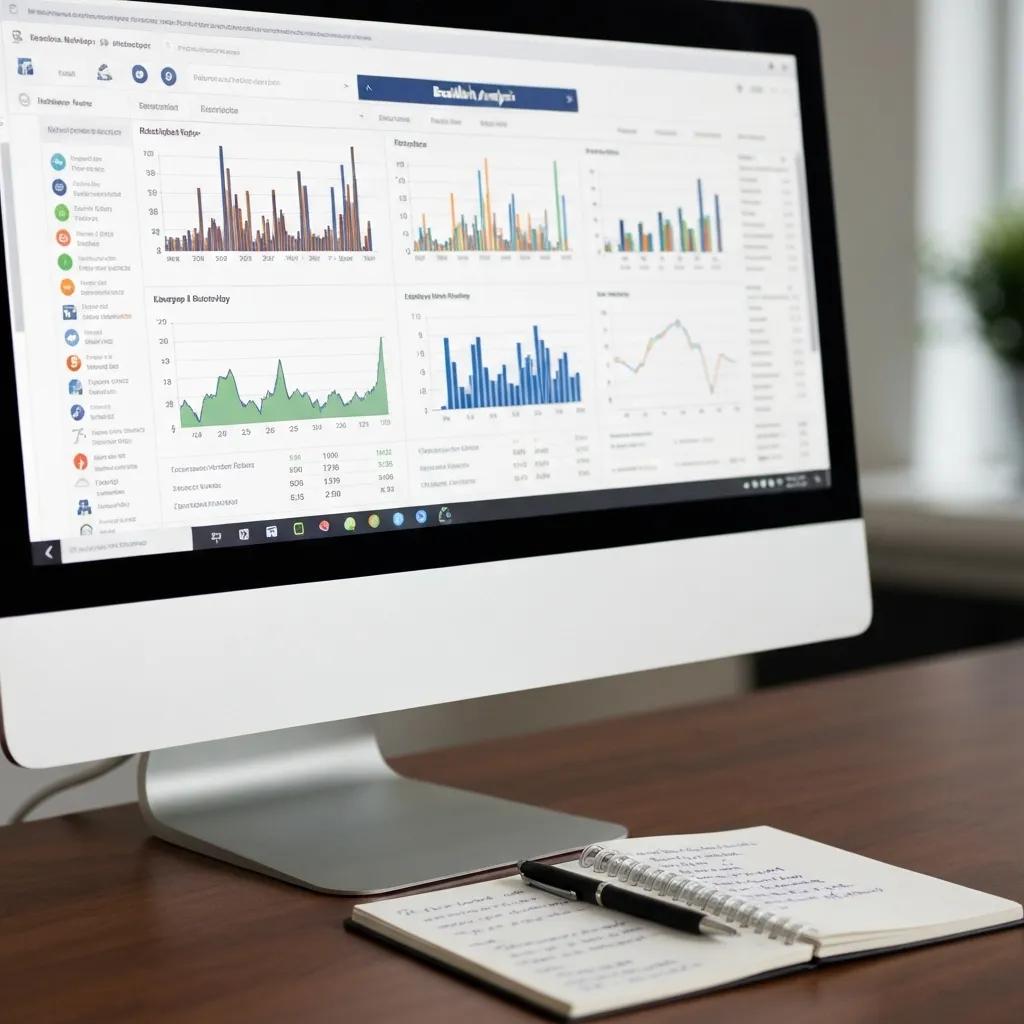
Regular backlink audits are essential for validating your acquisition efforts and, just as importantly, protecting you from toxic links. By using specialized tools, you can pinpoint your strengths, identify low-quality links, and disavow any harmful referring domains.
What Are the Top Tools for Shopify Backlink Audits?
Leading SEO platforms like Ahrefs, Semrush, and Moz offer incredibly comprehensive backlink analysis. They’ll show you referring domains, anchor text distribution, and domain authority metrics. Each tool also provides batch export capabilities and spam score indicators, making it easier to prioritize cleanup and map out your strategic growth.
How Do You Spot Toxic or Low-Quality Backlinks on Shopify?
Toxic backlinks often come from shady sources like link farms, adult or gambling sites, and overly spammy directories. You need to scrutinize each referring domain’s relevance, authority, and spam score. Flag links with irrelevant anchor text or an excessive number of outbound links. Mark those domains for disavowal or reach out manually to request their removal.
When and How Should You Disavow Bad Backlinks for Shopify SEO?
Only disavow after you’ve tried to get links removed manually. Compile a clear list of problematic domains and submit a disavow file through Google Search Console. Keep a close eye on your ranking and traffic metrics after submission to ensure there are no unintended negative impacts. Disavowing is your last line of defense against algorithmic penalties and helps maintain a clean, healthy backlink profile.
What Are the Smartest Ways to Maximize Backlink ROI for Shopify Stores?
Measuring your impact and weaving content marketing into your strategy will amplify the returns on your link-building investments. By focusing on performance metrics and learning from real-world case studies, you can continuously refine your approach.
How Do You Measure the Impact of Backlinks on Shopify SEO Performance?
Keep a close watch on key performance indicators (KPIs) like organic traffic growth, improvements in keyword rankings, shifts in domain authority, and referral conversions. Use Google Analytics to directly attribute sales or leads to specific referral links. Correlate new backlinks with ranking movements in Google Search Console to get a clear picture of your SEO ROI.
How Do You Integrate Content Marketing With Shopify Link Building?
Align your content topics with opportunities to earn high-value backlinks. For instance, publish an industry benchmark report that naturally attracts citations and links. Then, repurpose that report into eye-catching infographics and guest posts to broaden its reach. Creating evergreen guides around product use cases can also encourage natural linking from blogs and forums.
What Are Some Proven Case Studies of Shopify Backlink Success?
Case studies are powerful because they showcase real-world results. For example, one fashion retailer saw a 30% surge in organic traffic within just three months by securing 15 guest post links on high-authority style blogs. Another electronics store boosted its domain authority by 8 points through an interactive product comparison tool that was promoted via digital PR outreach. These examples powerfully illustrate the impact of well-executed, tailored backlink campaigns.
The insights gleaned from these case studies perfectly set the stage for our next discussion: how backlinks align with Google’s core ranking factors.
How Do Shopify SEO Backlink Strategies Align With Google’s Ranking Factors?
Backlinks consistently rank among the top three ranking factors, according to industry experts. Ensuring your Shopify link building efforts are fully compliant with Google’s guidelines is the key to sustainable performance and dominating the SERPs.
Why Are Backlinks Such a Top Ranking Factor for Shopify Stores?
Google’s algorithm relies heavily on backlinks to assess content authority and relevance. Each quality link acts as a citation, strengthening your trust signals. A diverse backlink profile, featuring links from multiple referring domains, signals natural link acquisition – something Google rewards with higher rankings.
How Does Mobile-First Indexing Affect Shopify Backlink Strategies?
Mobile-first indexing means Google primarily uses the mobile version of your content for ranking. Therefore, it’s crucial to ensure that the pages you’re earning backlinks to are fully responsive and load lightning-fast on mobile devices. Features like AMP-style product previews and optimized images significantly reduce load times, reinforcing your SEO signals within Google’s mobile index.
What Role Does Domain Authority Play in Shopify SEO Rankings?
Domain authority is a composite score that reflects the quality and quantity of your backlinks. When high-authority sites link to your store, they transfer stronger link equity, significantly boosting your ability to rank for competitive keywords. Keeping an eye on your authority score helps you prioritize outreach to the most impactful domains.
What Are Common Questions About Shopify Backlink Strategies?
Store owners often grapple with which tactics yield the most sustainable results. Let’s clear up some of the most frequent questions to guide your next steps.
How Do I Get Backlinks for Shopify?
To get backlinks for your Shopify store, focus on publishing high-value content that truly resonates with your audience, engage in strategic guest posting, execute smart broken link outreach, and collaborate on product reviews. Each of these methods builds crucial trust signals and drives valuable referral traffic to your store.
Are Backlinks Important for Shopify SEO?
Absolutely. Backlinks are critically important for Shopify SEO because they act as powerful signals of authority and relevance to search engines, directly driving higher organic rankings and boosting visibility for your product and collection pages.
What Is the Best Link Building Strategy for E-commerce Shopify Stores?
The ultimate strategy combines white hat tactics – like guest posting, securing resource page links, and product review outreach – with unique Shopify assets, such as interactive apps and data-driven reports, to earn natural backlinks and foster long-term growth.
How Do I Increase My Shopify Domain Authority With Backlinks?
Boost your domain authority by earning links from high-trust domains that are relevant to your niche, diversifying your anchor text, and regularly auditing your profile to purge any toxic links. Consistent, value-driven outreach and a strong content marketing foundation are key to building authority.
What Are Good Backlinks for Shopify SEO?
Good backlinks originate from reputable industry publications, authoritative blogs, trusted news sites, and niche resource pages. They should link contextually to your Shopify store, ideally using keyword-rich anchor text and a dofollow attribute.
How to Implement Structured Data and Internal Linking for Shopify Backlink Content?
What Schema Markup Enhances Shopify Backlink Strategy Pages?
Applying schema to your step-by-step tutorials (like broken link building guides) and schema for in-depth guides clearly signals your content’s purpose to Google. Mark up case studies with schema when you’re sharing industry data. Each type of markup increases your chances of appearing in rich snippets and knowledge panels.
How to Use Internal Links to Boost Shopify SEO With Backlinks?
Strategically link from your highest-authority pages – think your homepage or main navigation – to your new backlink strategy hubs. Use descriptive anchor text like “Shopify backlink monitoring.” Within your blog posts, link to related tactic clusters to guide visitors through your site and effectively distribute link equity.
How to Optimize Images and Videos for Shopify Backlink Content?
Optimize your multimedia assets with entity-rich ALT text (e.g., “Shopify broken link building funnel diagram”) and descriptive filenames. Use schema for any embedded tutorials, and host your videos on performance-optimized platforms to ensure lightning-fast playback and seamless mobile compatibility.
How Can You Continuously Improve Shopify SEO With Backlink Strategies?
Constantly refining your backlink approach is the secret to long-term gains and staying ahead of evolving search algorithms.
What Tools and KPIs Should You Use to Track Shopify Backlink Growth?
Keep tabs on referring domains, domain rating, organic keyword rankings, and referral conversion rates using tools like Google Search Console, Ahrefs, and Google Analytics. Also, track SERP feature impressions for queries related to “backlink strategy” to gauge your visibility in featured snippets.
How to Stay Updated on Shopify SEO and Backlink Trends?
Make it a habit to follow industry news from sources like the Google Search Central Blog, Moz, and Semrush for algorithm updates. Engage in e-commerce forums to share insights and spot emerging link-building opportunities specifically within Shopify’s vibrant app ecosystem.
How to Adapt Your Shopify Backlink Strategy to SERP Changes?
Regularly audit your content to incorporate new “People Also Ask” questions and featured snippet formats. Update your tutorials to align with evolving “HowTo” schema requirements and introduce fresh case studies that reflect current best practices. This agile approach ensures your backlink strategy stays perfectly aligned with Google’s algorithms and user expectations.
By consistently optimizing your backlink profile through smart acquisition, diligent analysis, and structured content, you’ll lock in sustained Shopify SEO success.
Providing a clear roadmap for boosting Shopify SEO with backlinks ensures your store capitalizes on off-page authority, adheres to search engine guidelines, and drives measurable growth. By mastering link-building tactics, monitoring your profile’s health, and optimizing structured data, ambitious e-commerce entrepreneurs can scale their organic visibility and convert more traffic into revenue. For expert help implementing these strategies at scale, consider partnering with a specialized Shopify SEO agency that truly understands the unique needs of high-growth online retailers.
Quick Answer: Shopify SEO Backlinks
Shopify SEO Backlinks should help Shopify merchants turn search visibility into qualified traffic, trust, and revenue. The strongest approach connects content, technical SEO, authority, internal links, performance, and conversion paths so the work produces business outcomes instead of isolated ranking tasks.
Want a sharper Shopify growth plan?
Want to turn Shopify SEO Backlinks into rankings, better content, and qualified leads? Book a strategy call and we will map the highest-impact next steps for your Shopify store.
Key Takeaways
- Use Shopify SEO Backlinks to match search intent with the right Shopify pages, content, internal links, and technical fixes.
- Avoid generic SEO advice; make recommendations specific to Shopify themes, apps, collections, speed, authority, and implementation risk.
- Connect rankings to conversion paths so organic traffic can become customers or booked strategy calls.
- Link naturally to Blackbelt Commerce money pages and the home page without weakening editorial trust.
- Use the same-page Calendly CTA only after helpful guidance has been delivered.
How this connects to your Shopify growth strategy
For the Shopify SEO, Audits, and Organic Growth cluster, this article should make Shopify SEO Backlinks practical, specific, and commercially useful while protecting editorial trust. The bridge to Blackbelt Commerce should show when expert planning, implementation, SEO discipline, or Shopify Plus support can reduce risk and turn the reader’s next decision into measurable progress.
Want a sharper Shopify growth plan?
Use this guide as a decision tool. Then book a strategy call when you want a practical roadmap for your store.
Related Shopify resources
These internal resources support the Shopify SEO, Audits, and Organic Growth topic cluster and help connect this guide to stronger commercial next steps:
- Shopify SEO services
- Shopify experts
- Shopify Plus agencies
- Shopify SEO services — Primary money/service page for this search intent
- Blackbelt Commerce — Home-page authority link for brand and core Shopify expertise
- Shopify experts — Money-page link requested for expert-hiring intent
- Shopify Plus agencies — Money-page link requested for high-growth and Plus-agency intent
- Shopify custom development — Development service page for implementation and technical help
- Shopify app SEO — Related SEO tooling article
Questions store owners ask before taking action
How should a Shopify merchant use Shopify SEO Backlinks?
Use it to decide what page, content, technical fix, internal link, authority signal, or performance improvement will best support search intent and revenue.
Why does editorial quality matter for Shopify SEO?
Search visibility is not enough. The content must earn trust, answer the query, guide the reader, and create a clear next step for qualified merchants.
When is expert Shopify SEO help worth it?
Expert help is worth considering when rankings, migrations, technical SEO, content structure, or conversion paths affect meaningful revenue.
Future articles needed for topical dominance
To build deeper topical authority around this cluster, these supporting topics should be created later and linked back into this article:
- Shopify SEO Backlinks Checklist for Shopify Stores: Creates an actionable support article that can earn long-tail searches and link back to relevant money pages.
- Common Shopify SEO Backlinks Mistakes That Hurt Shopify Revenue: Targets problem-aware readers and explains UX, SEO, conversion, and implementation risk.
- How Shopify Experts Prioritize Shopify SEO Backlinks: Links informational intent to expert support without turning the main article into a sales pitch.
Want a sharper Shopify growth plan?
Ready to turn the advice in this article into an action plan? Open the calendar here and choose a time that works for you.

