


Blog updated with the most recent Shopify and eCommerce strategies on 05/02/2026.
Shopify vs. WooCommerce: Which Platform Saves Startups More Cash?
Shopify and WooCommerce stand out as top e-commerce contenders, but for startups, the burning question is: does Shopify truly offer more savings than WooCommerce from the get-go? This deep dive breaks down why cost is paramount for fledgling businesses, then meticulously examines every financial aspect of Shopify’s SaaS model versus WooCommerce’s open-source approach. You’ll get a clear picture of subscription fees, transaction charges, costs for themes and plugins, often-overlooked maintenance expenses, direct comparisons, real-world total cost of ownership (TCO) scenarios, value beyond just price, tailored budget profiles for each platform, and how Blackbelt Commerce can help startups slash their total investment. By the end, you’ll have the insights needed to pick the platform that best fits your technical chops, growth plans, and financial goals.
Why Every Dollar Counts When Startups Pick Between Shopify and WooCommerce
For startups operating on tight budgets, every cent spent on technology directly impacts funds available for marketing, inventory, and keeping the business running. Understanding platform costs upfront prevents budget blowouts and fuels smarter growth strategies. The choice between a predictable subscription service and a flexible plugin framework significantly shapes both immediate cash flow and long-term expansion capabilities.
Key Cost Considerations for Startups: What to Look For
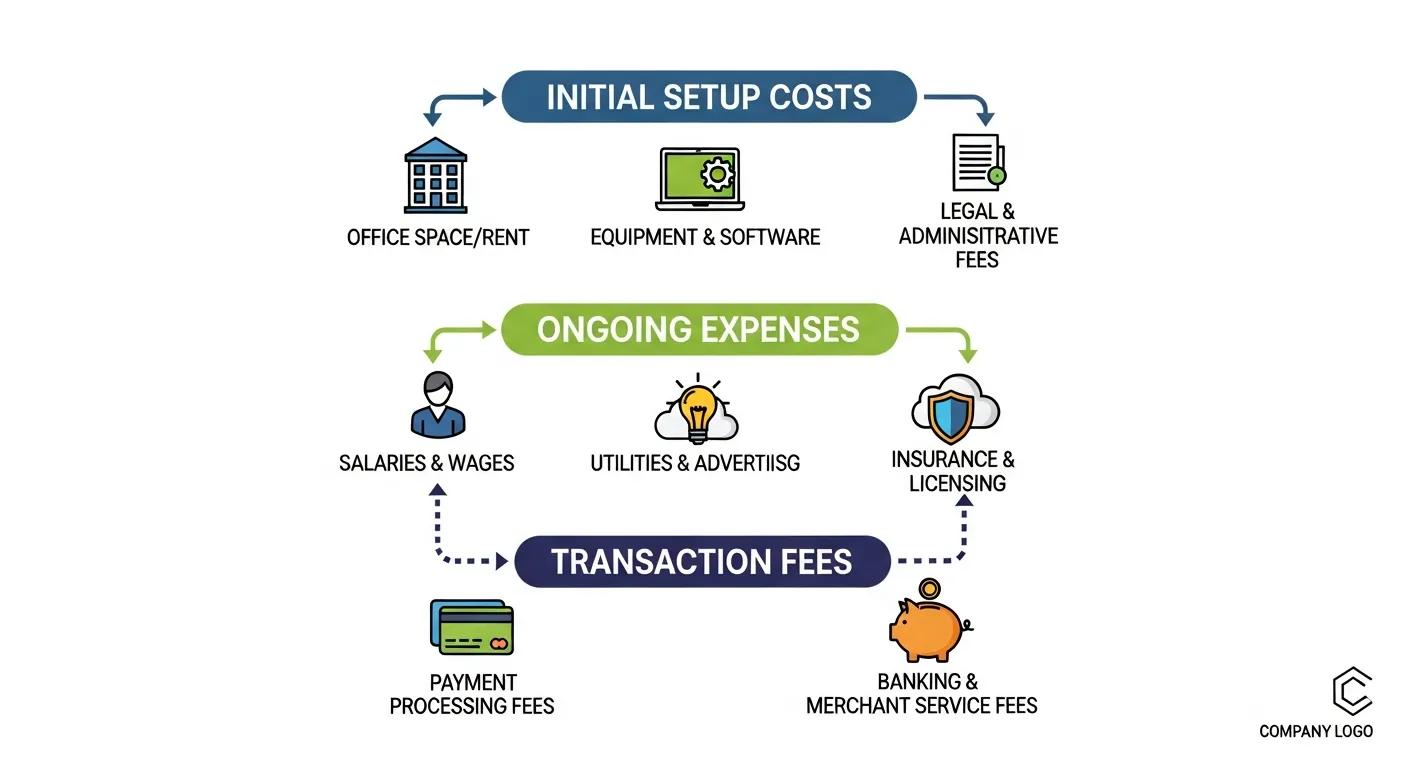
- Initial Investment – Costs for subscriptions, hosting, domain names, themes, and initial setup work.
- Ongoing Expenses – Monthly or yearly plan fees, hosting renewals, and subscriptions for apps or plugins.
- Transaction Charges – Percentage-based fees per sale, payment gateway charges, and extra commissions for third-party processors.
- Customization & Upkeep – Fees for developers, security updates, and performance tuning as your store grows.
- Hidden Costs – Premium add-ons, unlocking advanced features, support packages, and data migration expenses.
Shopify vs. WooCommerce: How Their Business Models and Pricing Differ
Shopify runs on a Software-as-a-Service (SaaS) model, offering tiered plans that bundle hosting, security, and core features for quick setup and predictable budgeting. WooCommerce, on the other hand, is a free, open-source plugin for WordPress, meaning you’ll need to arrange your own hosting, SSL, and potentially pay for extensions, giving you ultimate control but leading to variable total costs.
Breaking Down Shopify’s Costs for Startups
Shopify’s integrated system handles hosting and security, but costs can climb with higher-tier features, apps, and payment processing, offering a clear but expandable budget structure.
Shopify’s Subscription Tiers and Their Price Tags
Stepping up to higher plans reduces per-transaction fees and unlocks advanced analytics, smoothing the path for growth without unexpected hosting bills.
Shopify Pricing Tiers
Shopify provides a range of pricing plans to suit various business needs. The Basic plan starts at $39 per month, the Grow plan is $105 per month, and the Advanced plan is $399 per month. Each tier offers different transaction rates and features tailored for specific business growth stages.
How Shopify’s Transaction Fees Impact Startup Budgets
- 2.9% + $0.30 per card transaction on Basic
- 2.6% + $0.30 on Shopify
- 2.4% + $0.30 on Advanced
Using Shopify Payments eliminates platform fees; however, third-party gateways add an extra 0.5%–2.0% per sale, which can eat into margins on high-volume sales.
Shopify Transaction Fees Explained
Shopify’s transaction fees differ based on your plan. The Basic plan incurs a 2.9% + $0.30 fee per online transaction. The Shopify plan charges 2.6% + $0.30 per transaction, and the Advanced plan has a fee of 2.4% + $0.30 per transaction.
Costs for Shopify Apps and Themes: What Startups Need to Budget For
- Free Apps/Themes – Basic design and functionality with limited support.
- Premium Extensions – $5–$50 monthly per app for loyalty programs, advanced SEO, subscriptions.
- Custom Themes – $100–$350 one-time purchase, plus potential developer fees for customization.
Premium tools can speed up feature deployment but add recurring or one-time costs that accumulate as your store grows.
Understanding Shopify App Expenses
Most store owners spend between $50 and $150 monthly on Shopify apps, depending on their store’s size and feature requirements. While some apps are free, others require a one-time payment or a recurring subscription.
Potential Hidden Costs to Watch Out For with Shopify
- Developer Assistance – $50–$150 per hour for custom coding or integrations.
- Advanced Functionality – Costs for POS hardware, shipping label apps, or multi-currency features.
- Data Migration Services – Fees for third-party or partner services to move large product catalogs.
It’s crucial to anticipate these less obvious expenses to avoid budget strain as your business expands.
WooCommerce’s Core and Variable Costs for Startups
WooCommerce’s flexible ecosystem requires you to set up hosting, security, and essential extensions yourself—trading upfront predictability for ultimate customization freedom.
Essential Hosting, Domain, and Security Costs for WooCommerce
- Managed WordPress Hosting – $15–$50 per month for reliable performance and support.
- Domain Registration – $10–$20 per year for a standard .com address.
- SSL Certificate – Often free via Let’s Encrypt; premium options start around $50 per year for extended validation.
These foundational costs vary by provider but set the baseline for your monthly expenses.
WooCommerce Hosting Expenses
The cost of WooCommerce hosting can vary significantly, with quality plans typically starting around $250 annually. These plans often include managed WooCommerce hosting, optimized performance, essential security features, and scalability to handle moderate to high traffic volumes.
How WooCommerce Themes and Plugins Affect Startup Spending
- Free Themes/Plugins – Basic designs and core functions with community-based support.
- Premium Themes – $40–$100 one-time fee, with optional annual updates.
- Paid Extensions – $50–$200 per year for payment gateways, product builders, booking systems.
With variable renewal schedules, it’s vital to map out extension lifecycles against your business growth phases.
WooCommerce Plugin Costs
WooCommerce offers a vast array of free and paid plugins, with paid options ranging from $43 to $200. Be mindful that installing too many plugins can lead to slower loading times or compatibility issues.
Transaction Fees When Using WooCommerce
WooCommerce itself doesn’t charge any platform transaction fees; all costs come directly from your chosen payment processors:
- Stripe/PayPal – Roughly 2.9% + $0.30 per transaction.
- Alternative Gateways – 1.5%–3.5% + fixed fees, depending on your region and provider.
The absence of extra platform fees can lead to significant savings on high-value orders.
WooCommerce Transaction Fees
WooCommerce does not charge transaction fees. However, payment gateways like Stripe and PayPal typically charge around 2.9% + $0.30 per transaction for U.S.-issued cards, with an additional 1% fee for international cards.
Anticipating Hidden and Maintenance Costs with WooCommerce
- Developer Maintenance – $40–$120 per hour for updates, bug fixes, and security patches.
- Performance Scaling – Upgrading hosting plans or CDN services as your traffic increases.
- Security Monitoring – Premium firewalls and malware scanning services can cost $100–$300 annually.
Planning for these hidden costs ensures your store runs smoothly as demand grows.
Side-by-Side Cost Comparison: Shopify vs. WooCommerce for Startups
This comparison table breaks down the core expenses for a typical early-stage store on each platform.
Initial Setup Costs: Shopify vs. WooCommerce
Startups launching on Shopify pay a flat $29 monthly fee, plus optional theme purchases, allowing for a quick launch in under an hour. In contrast, WooCommerce requires selecting hosting ($15–$50/month), registering a domain (around $15/year), and installing necessary plugins, demanding more initial setup time.
Monthly and Annual Recurring Costs: The Difference
Shopify’s recurring cost is fixed at your chosen tier ($29–$299/month), covering hosting and security. WooCommerce hosting fees can vary based on traffic and performance needs, often starting at $15/month for shared hosting and increasing to $50+/month for managed plans, plus any extension renewals.
Transaction-Based Costs: Shopify vs. WooCommerce
Both platforms incur standard payment processor fees (around 2.9% + $0.30). Shopify adds a surcharge for using non-Shopify Payments (0.5%–2.0%), which can be avoided by using their in-house gateway. WooCommerce merchants, however, face single-layer fees directly from providers like Stripe or PayPal.
How Scalability and Growth Impact Platform Costs
As sales increase, Shopify users typically upgrade their plans (e.g., from $29 to $79/month), gaining access to lower processing fees and advanced analytics. WooCommerce users often scale by enhancing their hosting, adding CDN bandwidth, or investing in caching solutions, offering granular control but less predictable pricing.
Shopify vs. WooCommerce Scalability
Shopify offers seamless scalability with predictable costs, whereas WooCommerce requires technical expertise and ongoing maintenance as you grow. Shopify scales by upgrading to a higher-tier plan, while WooCommerce necessitates database and hosting adjustments.
Maintenance and Support Cost Differences
Shopify includes 24/7 support via email and live chat, and many apps offer free community assistance. WooCommerce store owners often rely on developer retainers for site updates and security, which can range from $500 to $2,000 annually for basic upkeep on a small store.
Real-World Total Cost of Ownership (TCO) Scenarios for Startups

By applying these cost structures to three common startup profiles, founders can better estimate their multi-year investments.
Low-Sales Startup: Shopify vs. WooCommerce Costs
- Shopify Basic: $29/month + $0 premium apps = ~$348/year
- WooCommerce: $15 hosting + $15 domain + $0 in extensions = ~$180/year
Shopify saves time, while WooCommerce offers a lower initial outlay.
Growing Startup: Moderate Sales & Some Customization Costs
- Shopify: $79/month + $100 theme + $20/app = ~$1,028/year
- WooCommerce: $30 hosting + $80 theme + $100 extensions + $600 dev = ~$1,010/year
Both platforms land near similar TCO; Shopify edges out on ease of use, while WooCommerce offers more custom control.
Ambitious Startup: High Growth & Extensive Customization Costs
- Shopify Advanced: $299/month + $200 apps + $1,500 custom work = ~$5,087/year
- WooCommerce: $100+/month managed hosting + $200/year extensions + $3,000 dev = ~$5,400/year
Complex needs can shift the savings, making expert optimization crucial on either platform.
Beyond Price: Value Factors for Cost-Effective Startups
Total cost should be evaluated alongside usability, flexibility, security, and support resources that drive return on investment.
How Ease of Use Impacts Startup Cost Savings
Shopify’s user-friendly interface minimizes the need for developer hours, empowering non-technical founders to manage products and marketing efficiently. Reduced operational overhead leads to faster feature rollouts and quicker marketing adjustments.
The Role of Customization Flexibility in Cost Efficiency
WooCommerce’s open-source nature allows for limitless theme and plugin customization without plan restrictions, enabling feature-rich stores at the cost of additional development and testing time. This adaptability can lead to substantial savings for unique business models.
Security and Maintenance Responsibilities: Budgetary Impacts
Shopify’s platform-managed security eliminates the need for server hardening and PCI compliance tasks, lowering risk and technical expenses. WooCommerce merchants must budget for regular updates, vulnerability scans, and backup services to maintain a secure online presence.
Support and Community Resources to Cut Startup Costs
Shopify offers 24/7 support, extensive documentation, and app developer assistance to streamline troubleshooting and feature implementation.
Shopify Support Resources
Shopify provides a comprehensive Help Center with detailed guides and tutorials, a community forum, and 24/7 live chat support. Shopify Plus users also receive additional services, including real-time guidance and priority phone or scheduled callback support.
WooCommerce benefits from a massive WordPress community, open forums, and a wide network of specialized agencies offering competitive rates.
When Does Shopify Make More Financial Sense for Startups?
Shopify’s predictable pricing and all-in-one infrastructure are ideal for specific types of startups.
Startup Types That Thrive on Shopify’s Pricing Model
Founders without technical backgrounds, dropshippers, and lean teams launching straightforward product catalogs can achieve immediate ROI through minimal setup time and included hosting, making Shopify a top choice for those prioritizing speed and reliability.
How Shopify’s Predictable Pricing Aids Startup Budgeting
A fixed monthly plan ensures consistent expense forecasting, eliminating hosting variability and unexpected upgrade costs, which supports confident cash flow planning during crucial early growth stages.
When Does WooCommerce Offer Better Value for Startups?
WooCommerce’s flexible cost structure and open-source foundation are best suited for technically proficient teams with specific customization requirements.
Startups Benefiting from WooCommerce’s Customization and Open-Source Nature
Merchants with complex inventory needs, niche product configurations, or unique checkout processes can leverage WooCommerce’s extensive plugin ecosystem to build highly specialized storefronts without subscription limitations.
How WooCommerce’s Variable Costs Can Lead to Long-Term Savings
By selecting cost-effective hosting and paying only for necessary extensions, the long-term TCO can be lower than subscription fees, especially when utilizing in-house development talent for ongoing enhancements.
How Blackbelt Commerce Helps Startups Optimize Shopify and WooCommerce Costs
Startups achieve maximum return when experienced partners align platform choice, implementation, and cost management with their business objectives.
Cost Optimization Strategies from Blackbelt Commerce
Through in-depth audits and precise forecasting, Blackbelt Commerce identifies redundant apps, negotiates hosting plans, and implements code efficiencies that can reduce annual overhead by up to 30% for both Shopify and WooCommerce stores.
Blackbelt Commerce Cost Optimization
Blackbelt Commerce identifies redundant apps, negotiates hosting plans, and implements code efficiencies that trim up to 30% off annual overhead for both Shopify and WooCommerce stores.
Lowering Total Cost of Ownership Through Professional Implementation
Structured project management, best-practice development, and proactive maintenance minimize emergency fixes and performance bottlenecks, leading to predictable budgets and faster time-to-market.
Case Studies Showcasing Blackbelt Commerce’s Impact on Startup Costs
In a recent project, a direct-to-consumer brand slashed platform expenses by 25% while boosting site speed by 40%, demonstrating how expert optimization delivers dual savings in cost and conversion rates.
Latest Trends and Insights on Shopify vs. WooCommerce Costs for Startups
Emerging data reveal shifts in platform adoption, pricing updates, and the impact of fees on profitability.
Market Share Reflecting Platform Popularity Among Startups
As of 2025, Shopify holds 26.2% of the e-commerce market, while WooCommerce commands 20.1%, indicating strong viability for both solutions among new businesses.
Emerging Pricing Trends and Hidden Cost Updates
Shopify’s recent plan consolidations and app fee adjustments have lowered entry barriers, while WooCommerce developers are increasingly offering bundled extension packages to simplify renewal management.
How Transaction Fees Affect Profitability for High-Volume Startups
Merchants processing thousands of orders monthly can achieve savings of 0.4%–1.2% per transaction by negotiating custom Shopify Plus rates or integrating lower-cost payment gateways with WooCommerce.
Frequently Asked Questions About Shopify vs. WooCommerce Costs for Startups
This section provides clear, concise answers to common cost-related questions.
Is WooCommerce Truly Cheaper Than Shopify for Startups?
WooCommerce often has a lower starting cost when using minimal hosting and free extensions, but increased customization or traffic growth can push its total cost of ownership above Shopify’s fixed tiers.
What Hidden Costs Should Startups Watch for on Shopify?
Key hidden expenses include premium app subscriptions, paid themes, developer customization fees, and extra charges for non-Shopify Payments gateways, each potentially adding several hundred dollars annually.
What Are the Essential Costs for Starting with WooCommerce?
Beyond the free plugin, startups should budget for web hosting, domain registration, SSL security, and often premium themes or extensions to achieve their desired design and functionality.
Which Platform Offers Better Long-Term Cost Savings for Startups?
Long-term savings depend heavily on your technical resources and growth strategy: Shopify excels with predictable billing and minimal maintenance, while WooCommerce can offer lower costs for resourceful teams adept at managing expenses proactively.
What is the cheapest way to start an online store: Shopify or WooCommerce?
WooCommerce generally offers a lower entry point, especially if you opt for budget hosting and free themes/plugins. However, Shopify’s basic plan provides an all-in-one solution with minimal setup effort, which can be cheaper in terms of time and potential developer costs for non-technical founders.
Does Shopify charge transaction fees if I use Shopify Payments?
No, if you use Shopify Payments as your primary payment gateway, Shopify waives its additional transaction fees (0.5%–2.0%). You will still incur the standard payment processing fees from Shopify Payments (e.g., 2.9% + $0.30 on the Basic plan).
How much does a basic WooCommerce store cost per month?
A basic WooCommerce store can cost as little as $15-$30 per month for shared hosting and a domain name. This doesn’t include premium themes, plugins, or developer assistance, which would increase the monthly or annual outlay.
Are Shopify apps generally more expensive than WooCommerce plugins?
Shopify apps often come with recurring monthly subscription fees, which can accumulate quickly. WooCommerce plugins can be one-time purchases or annual subscriptions, and there’s a larger ecosystem of free plugins. The total cost depends on the specific features needed and whether you opt for free or premium solutions on either platform.
What are the main hidden costs of Shopify for a startup?
Beyond the subscription, hidden costs for Shopify can include premium app subscriptions, custom theme development or purchase, transaction fees for third-party payment gateways, and potential developer costs for advanced customizations or integrations.
What are the main hidden costs of WooCommerce for a startup?
Hidden costs for WooCommerce often involve quality managed hosting (which can be more expensive than basic shared hosting), premium themes and plugins, ongoing security updates and monitoring, developer time for maintenance and customization, and potential costs for performance optimization (e.g., CDN).
Which platform is better for a startup with a very limited budget?
For a startup with a very limited budget and some technical proficiency, WooCommerce can offer a lower initial and ongoing cost, allowing for more control over expenses. For non-technical founders prioritizing speed and simplicity, Shopify’s predictable basic plan might be more cost-effective by saving on potential developer fees and setup time.
Does WooCommerce require me to pay for hosting?
Yes, WooCommerce is a plugin for WordPress, which means you need to provide your own web hosting to run your store. Hosting costs vary widely based on performance, features, and support, typically ranging from $15 to $50+ per month for quality WordPress/WooCommerce hosting.
Can I get a free theme on both Shopify and WooCommerce?
Yes, both platforms offer free themes. Shopify has a selection of free themes in its theme store, while WooCommerce (being a WordPress plugin) can utilize thousands of free WordPress themes, many of which are WooCommerce-compatible. Free themes offer basic functionality and design, with premium options available for more advanced features and aesthetics.
How do support costs compare between Shopify and WooCommerce for startups?
Shopify includes 24/7 customer support with all its plans, minimizing direct support costs. WooCommerce relies on community forums, documentation, and individual plugin/theme developer support. For dedicated assistance or complex issues, WooCommerce users often need to hire a developer, which can add significant costs, whereas Shopify’s support can often resolve many issues without external help.
Startups equipped with this comprehensive comparison can confidently select the solution that best aligns with their budget, technical skills, and growth aspirations. By carefully balancing visible fees, hidden overheads, and value-driven factors, founders can establish a sustainable e-commerce foundation. For personalized guidance and expert implementation designed to minimize your total cost of ownership, connect with a dedicated partner at Book a strategy call with us.
Research Support
WooCommerce Support Resources
WooCommerce offers support through a dedicated team and comprehensive documentation. Users can also find assistance from fellow merchants in the WooCommerce support forums.
Quick Answer: Shopify vs WooCommerce
Shopify Vs Woocommerce should help merchants make a clearer decision about their store, customer experience, and growth priorities. A useful guide explains the concept, shows when it matters, and gives the reader a practical next step without forcing the topic into a generic template.
Want a sharper Shopify growth plan?
If this article connects to a current store decision, use the calendar to book a strategy call and turn the idea into a practical plan.
Key Takeaways
- Start with the search intent behind Shopify vs WooCommerce: the reader needs a clear explanation before they are ready for a service conversation.
- Keep the advice practical and specific so the post feels editorial, useful, and worth sharing.
- Use the topic cluster links to connect the article to related BBC expertise instead of leaving it as a standalone blog post.
- Add a natural commercial bridge only after the article has answered the reader’s main question.
- Use the same-page Calendly CTA so qualified readers can book a strategy call without being sent to a long form.
How this connects to your Shopify growth strategy
This article should remain useful for readers researching Shopify vs WooCommerce, but it also needs to show when the topic becomes a business decision. For the Shopify Platform Comparisons cluster, the commercial bridge is practical: once the reader understands the concept, the next step is deciding whether their current Shopify setup can support the desired experience, conversion path, and operational workflow. That is where expert planning, design, development, CRO, and SEO support can turn the idea into measurable store improvements.
Want a sharper Shopify growth plan?
Use this guide as a decision tool. Then book a strategy call when you want a practical roadmap for your store.
Related Shopify resources
These internal resources support the Shopify Platform Comparisons topic cluster and help connect this guide to stronger commercial next steps:
- Shopify Platform Comparisons
- Shopify experts
- Shopify Plus agencies
- Shopify Platform Comparisons — Parent service page for the reader’s next commercial step
- Blackbelt Commerce — Home-page authority link for brand and core Shopify expertise
- Shopify experts — Money-page link requested for expert-hiring intent
- Shopify custom development — Development service page for implementation and technical help
- Shopify CRO — Conversion service page for readers focused on revenue and lead generation
Questions store owners ask before taking action
What does Shopify vs WooCommerce mean for a Shopify merchant?
For a Shopify merchant, Shopify vs WooCommerce is about choosing or improving the store experience in a way that supports traffic, trust, conversion, and long-term operations.
When should a store owner get expert help?
Expert help becomes useful when the decision affects SEO, conversion, theme architecture, integrations, migration risk, or revenue-critical customer journeys.
How should this topic connect to a broader content cluster?
The post should link to a parent service page, related support articles, and money pages so Google and AI systems understand how the article supports a broader area of expertise.
What is the lead-generation goal of this article?
The article should educate first, then guide qualified readers toward booking a strategy call when they need help applying the advice to their own store.
What should be avoided during optimization?
Avoid filler, unrelated phrases, invented statistics, broken formatting, duplicated CTAs, and any edit that makes the article feel less helpful or less polished.
Future articles needed for topical dominance
To build deeper topical authority around this cluster, these supporting topics should be created later and linked back into this article:
- Shopify Vs Woocommerce Checklist for Shopify Store Owners: Creates a practical support article that turns the Shopify Platform Comparisons topic into an actionable review tool.
- Common Shopify Vs Woocommerce Mistakes and How to Avoid Them: Captures problem-aware searches and gives BBC a natural place to explain implementation risks without hard selling.
- When to Hire Shopify Experts for Shopify Vs Woocommerce: Connects informational demand to the expert-hiring money page while preserving educational intent.
Want a sharper Shopify growth plan?
Ready to turn the advice in this article into an action plan? Open the calendar here and choose a time that works for you.
