


Why Shopify SEO Best Practices Matter for Your Store’s Success
Shopify SEO best practices are crucial for driving organic traffic to your online store without relying on expensive paid advertising. With 4.5 million Shopify stores competing for attention, a strong SEO strategy is essential for survival and growth.
Here are the core practices we’ll cover:
- Technical Setup: Securing a custom domain and connecting to Google’s tools.
- Site Structure: Creating logical navigation and clean, mobile-friendly designs.
- On-Page Optimization: Using keyword-rich titles, meta descriptions, and product details.
- Content Strategy: Writing blog posts that attract and inform your target audience.
- Technical SEO: Optimizing page speed, images, and using schema markup.
- Authority Building: Earning quality backlinks through guest posting and digital PR.
Many store owners focus on products and marketing, letting SEO fall behind. This leads to a costly dependency on paid ads. The good news is that Shopify provides a solid SEO foundation, but to truly compete, you must go beyond the basics.
Smart store owners know that organic traffic is free traffic. Unlike paid ads, which stop when you stop paying, SEO builds long-term value. A single well-optimized page can drive sales for years.
I’m Cesar A Beltran, founder of Blackbelt Commerce. With over 15 years of experience and having worked with 1000+ online stores, I’ve seen how proper SEO transforms businesses into profitable, sustainable enterprises.
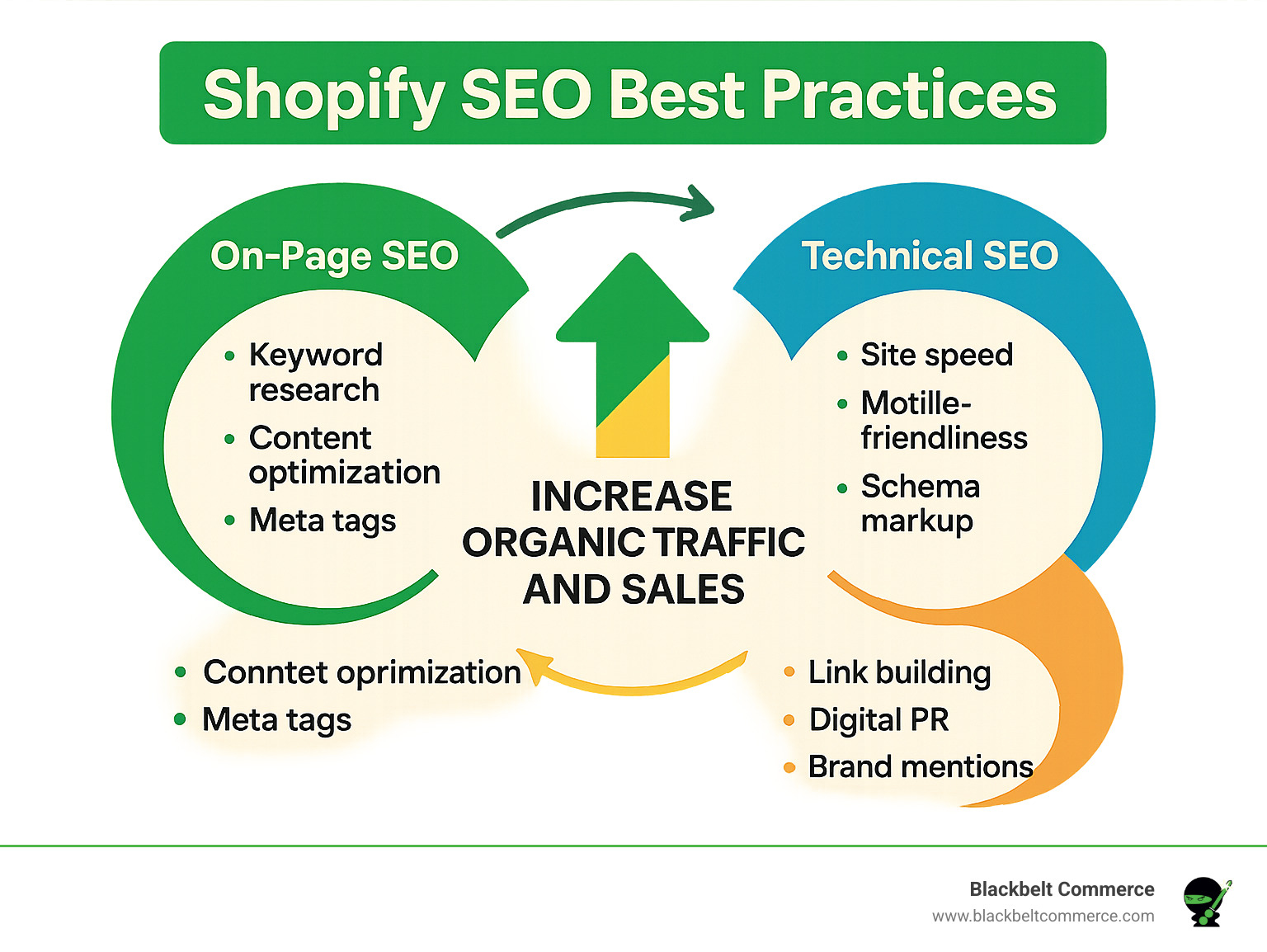
Simple guide to Shopify SEO best practices:
Laying the Groundwork: Essential Shopify SEO Setup
Before diving into advanced strategies, you must build a solid foundation. Without this groundwork, even the best Shopify SEO best practices will fall short.
First, secure a custom domain. A yourstore.com address signals professionalism and gives you control over your brand’s identity, which search engines favor over the default myshopify.com address.
Next, set up your digital intelligence tools. Google Analytics tracks visitor behavior, sales, and interactions, giving you essential data. Set up Google Analytics for your Shopify store before you do anything else. Then, connect Google Search Console to monitor your site’s health and performance directly from Google. Once connected, submit your sitemap (which Shopify creates automatically) to help Google index your pages efficiently.
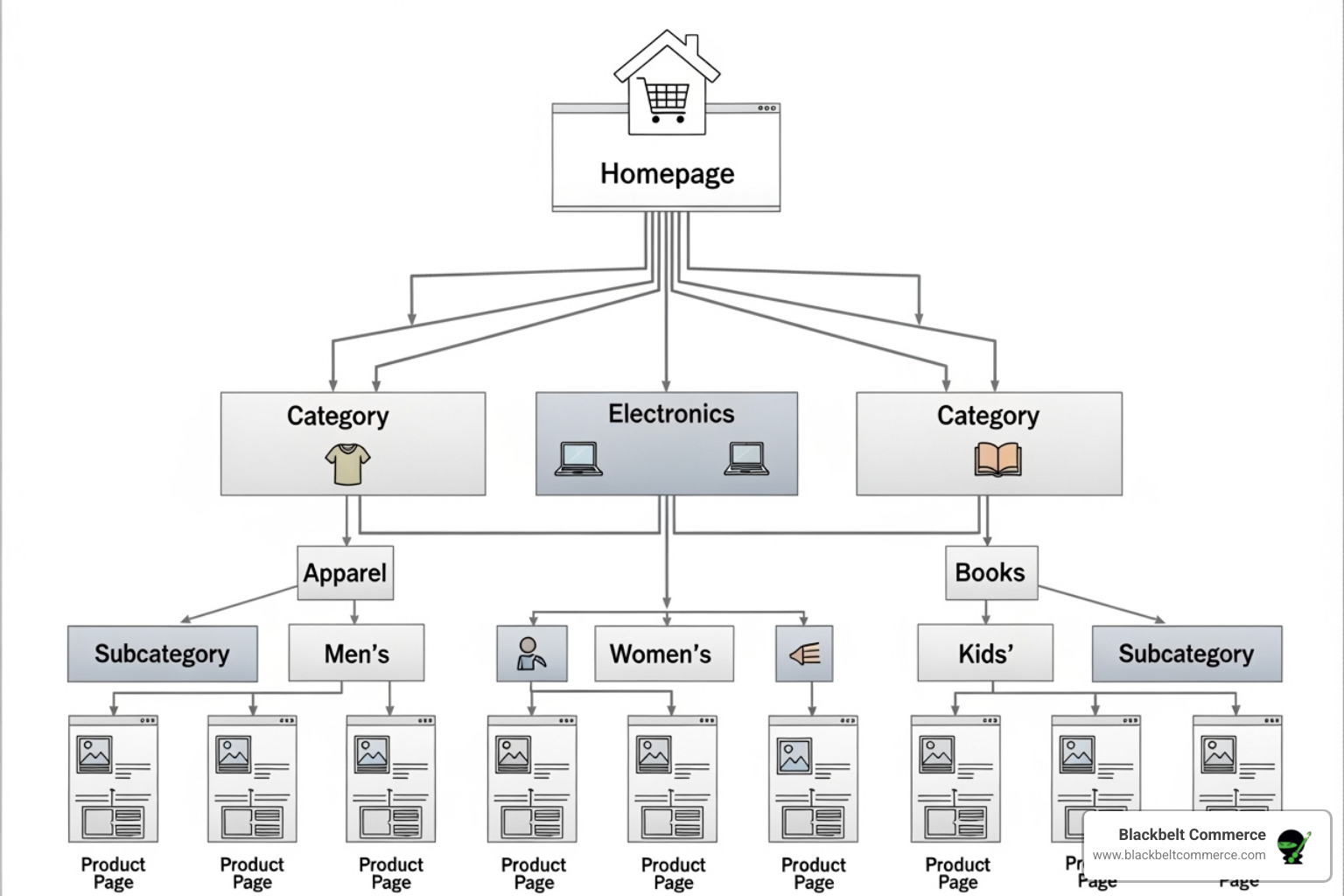
Your site structure must be logical for both users and search engines, with a clear hierarchy from your homepage to collection pages and finally to product pages. Use internal linking to create pathways between related pages, which helps search engines understand content relationships and keeps users engaged.
Google uses mobile-first indexing, meaning it primarily ranks your site based on its mobile version. A seamless mobile experience is non-negotiable.
Structuring Your Shopify Site for Users and Search Engines
An intuitive site structure ensures customers can find products easily. Use simple, descriptive menu labels like “Women’s Shoes” instead of confusing jargon. Drop-down menus can organize subcategories cleanly.
Breadcrumbs show visitors their location on your site (e.g., “Home > Clothing > Dresses”), improving navigation for both users and search engines.
Pay attention to your URL structure. Shopify can create messy URLs, so customize them to be clean and readable. A URL like /pink-running-shoes is far better than /products/12345-pk-rn-sh-xl. Always use hyphens in URLs, as Google prefers them. Following Google’s URL structure guidelines is a best practice.
Finally, ensure your store is not password-protected when you launch. Search engines cannot index a site they cannot see. A well-structured site improves user experience and signals quality to Google, leading to better rankings.
Mastering On-Page & Content: Core Shopify SEO Best Practices
With a solid technical foundation, the next step is optimizing your content. This involves telling Google what your pages are about and why they should rank for specific searches.
It all starts with keyword research. This means understanding what potential customers are typing into search engines. Focus on both short-tail keywords (e.g., “running shoes”) and long-tail keywords (e.g., “women’s pink minimalist running shoes”). Long-tail keywords often have less competition and higher conversion rates.
Understanding search intent is also critical. Differentiate between informational intent (“how to choose running shoes”), which is great for blog posts, and transactional intent (“buy women’s running shoes”), which is perfect for product pages. Using trusted keyword research tools helps identify popular terms and analyze competitor strategies.
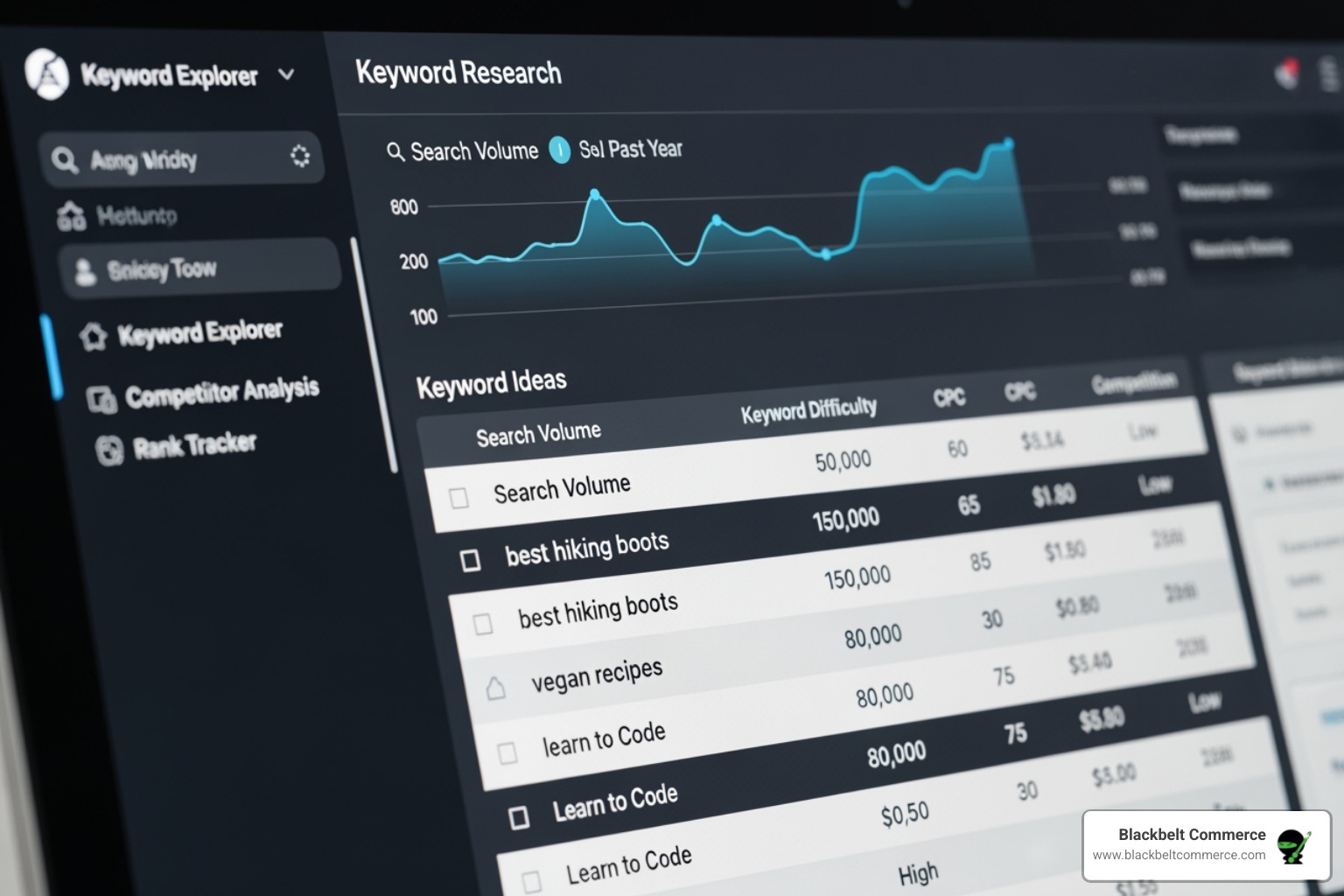
Once you have your keywords, optimize your metadata (page titles and meta descriptions) and create high-quality, unique content across your store. For more info about our custom Shopify SEO services, reach out.
Optimizing Product & Collection Pages: A Shopify SEO Best Practices Deep Dive
Your product and collection pages are where sales happen, making their optimization a top priority. Craft unique product descriptions that focus on benefits and answer customer questions—never just copy from the manufacturer. For example, a New York apparel store selling jeans could highlight the sustainable denim or unique wash process.
High-quality product images are essential, as is user-generated content like reviews, which provide social proof and fresh, keyword-rich content. Ensure each page has a single, keyword-rich H1 tag and compelling copy that naturally incorporates your target keywords. For instance, a page for a lipstick from The Lip Bar should include related terms like “matte red lipstick” or “long-lasting vegan lip color.” Finally, add internal links to related products to improve user experience and spread link equity.
Writing SEO-Friendly Titles, Meta Descriptions, and URLs
These elements are your first impression in search results.
- Title Tags: Keep them concise (50-60 characters) and place your primary keyword near the beginning.
- Meta Descriptions: These are your mini-ads that influence click-through rates. Aim for around 150-160 characters, include keywords, and add a compelling call to action. A well-crafted description can significantly boost your organic clicks.
- URLs: Keep them short, descriptive, and use hyphens to separate words (e.g.,
/descriptive-product-name).
Leveraging the Shopify Blog for Content Marketing
Your blog is a powerful SEO asset for targeting informational keywords. Use it to answer customer questions, such as “how to choose the right non-stick pan” for a kitchenware store. This attracts users early in their buying journey and establishes your brand as an authority.
Build topic clusters by creating a comprehensive “pillar page” on a broad topic, supported by detailed “cluster pages” on subtopics, all interlinked. This signals your expertise to Google. A great example is Beardbrand.com’s blog, which establishes them as a go-to authority. Blog posts are also excellent “linkable assets,” attracting backlinks that build your store’s domain authority. Promote your content on social media and via email to maximize its reach.
Advanced Technical SEO: Speed, Schema, and Site Health
If a page takes more than three seconds to load, you’ve likely lost a customer. That’s why page speed is a critical ranking factor. Shopify provides a built-in CDN, but further optimization is necessary for top performance.
Image optimization is crucial, as large photos are often the biggest cause of slow load times. Compress images to reduce file size without sacrificing quality, use descriptive alt text for accessibility and SEO, and use descriptive file names. Modern formats like WebP can significantly reduce file size compared to JPEG and PNG. You can check your site speed with PageSpeed Insights to identify specific areas for improvement.
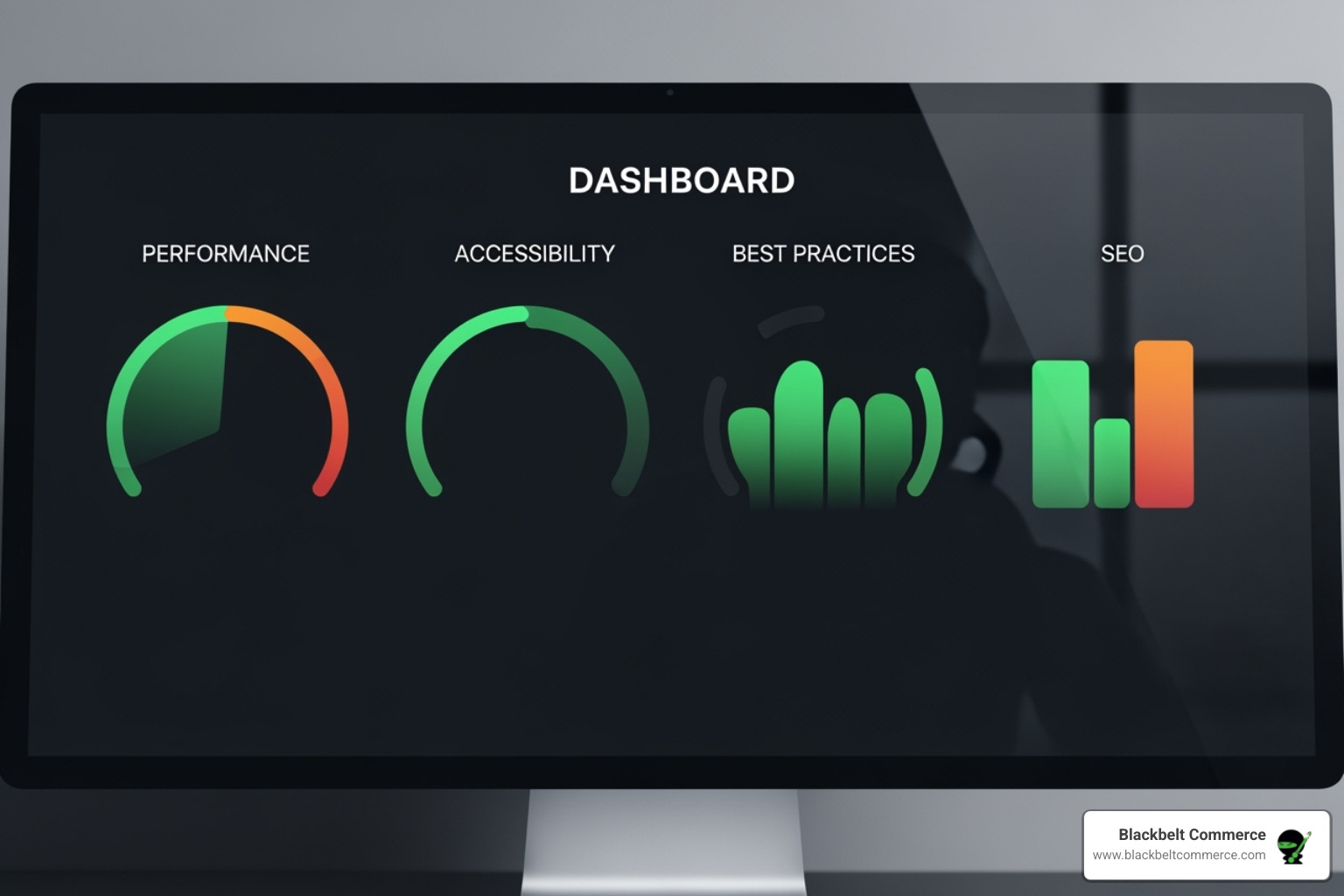
These optimizations improve the overall User Experience (UX). Google measures user interaction signals, so a fast, mobile-friendly site is essential. Your store must work perfectly on all screen sizes, with fast loading, easy-to-tap buttons, and readable text.
Implementing Structured Data (Schema Markup)
Structured data (or schema markup) gives Google detailed information about your products, helping them stand out in search results. When you see star ratings, prices, and stock availability directly on Google, that’s schema at work. These rich snippets can dramatically increase your click-through rate.
For e-commerce, Product schema is essential, detailing the name, price, reviews, and stock status. While Shopify’s free themes include structured data for products, custom development is often needed for more advanced implementations on collections or blog posts. Always validate your markup with Google’s tool to ensure it’s error-free.
Avoiding Common Pitfalls: Shopify SEO Best Practices for Cleanliness
Common SEO issues can harm your rankings. The most frequent is duplicate content, where one product is accessible via multiple URLs (e.g., from the main products page and a collection page). This splits your ranking power.
We solve this with canonical tags, which tell Google which URL is the primary version to rank. Shopify’s collection filters and pagination can also create duplicate content, so proper canonicalization is key.
Fixing 404 errors (“page not found”) is another crucial task. When you remove a product, implement a 301 redirect to guide users and search engines to a relevant new page. You can redirect pages in Shopify using its built-in tool. Finally, you can edit the robots.txt.liquid file to prevent search engines from crawling non-essential pages like internal search results.
Building Authority: Link Building & Essential Shopify SEO Tools
Think of your Shopify store like a new restaurant in Manhattan; even with the best product, you need recommendations to build trust. In SEO, these recommendations are backlinks—links from other reputable sites that tell search engines your store is credible. Quality backlinks directly boost your domain authority and search rankings.
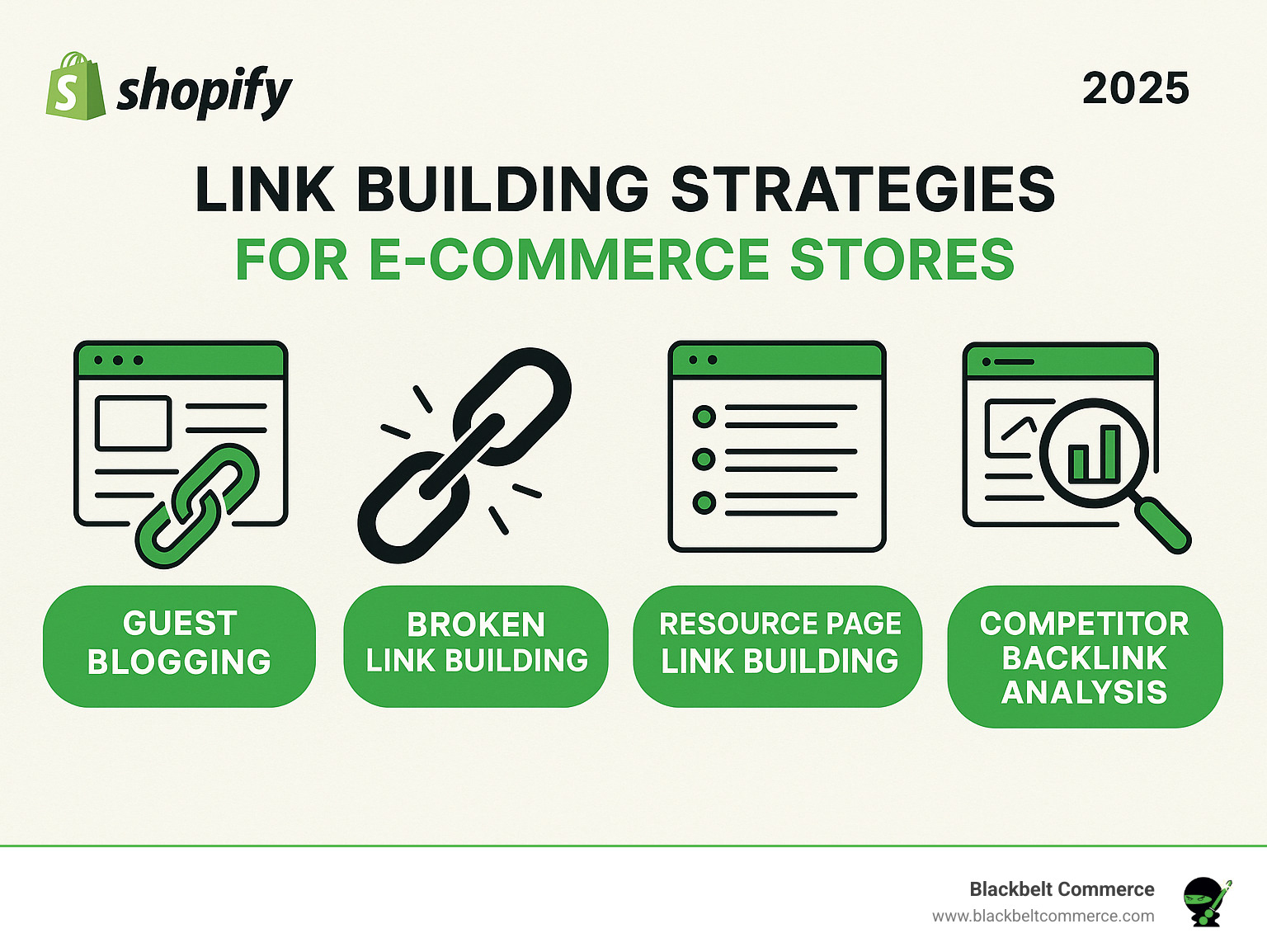
While link building is challenging, it’s one of the most rewarding long-term investments. Effective strategies include:
- Guest Blogging: Writing valuable content for reputable industry websites to earn a natural link back to your store.
- The Skyscraper Technique: Finding popular content in your niche, creating a superior version, and reaching out to sites that linked to the original.
- Unlinked Brand Mentions: Using tools like Google Alerts to find mentions of your brand and requesting a link.
- Digital PR: Creating newsworthy stories or data that journalists and bloggers want to cover.
- Creating Linkable Assets: Developing comprehensive guides, studies, or tools that others will naturally want to reference.
Essential Shopify SEO Tools and Features
Shopify provides a solid SEO foundation with features like automatic sitemaps, editable meta tags, and built-in canonical tags. However, implementing advanced Shopify SEO best practices often requires custom solutions.
At Blackbelt Commerce, we go beyond generic tools. Our services include:
- Advanced Image Optimization: Implementing lazy loading and modern image formats for a lightning-fast user experience.
- Custom Schema Markup: Developing detailed schema for products, variations, FAQs, and collections to earn rich snippets and stand out in search results.
- Robust Analytics & Reporting: Configuring analytics to track the metrics that truly matter for business growth.
- Proactive Site Health Monitoring: Catching and fixing technical issues like broken links or crawl errors before they impact your rankings.
Whether you’re a startup in Brooklyn or a scaling enterprise, our approach is fully customized. Explore Blackbelt Commerce’s Shopify SEO solutions to see how we tailor strategies to your unique goals. For a solution built specifically for your business, Book a strategy call with us.
Frequently Asked Questions about Shopify SEO
Here are answers to the most common questions we receive from store owners about Shopify SEO.
Is Shopify good for SEO out of the box?
Yes, Shopify is solid for SEO from the start. It automatically handles many technical aspects, including sitemap generation, editable meta tags, mobile-friendly themes, and canonical tags to prevent duplicate content. This gives you a great head start.
However, a good foundation isn’t enough to outrank competitors. Success depends on the Shopify SEO best practices that you implement. This includes strategic keyword research, compelling content creation, authority-building through backlinks, and ongoing optimization.
How long does it take for Shopify SEO to work?
SEO is a long-term strategy, not an overnight fix. It’s crucial to set realistic expectations. Most stores see initial improvements in traffic and rankings within 3-6 months. For significant, business-changing results, expect a timeline of 6-12 months or longer, especially in competitive niches.
Unlike paid ads, SEO builds lasting value. The timeline depends on factors like market competition (e.g., selling apparel in New York is highly competitive), your budget and effort, and the quality of your execution. Consistent effort yields faster results.
Can I do Shopify SEO myself?
Absolutely. Every store owner should learn the basics. Shopify makes many tasks manageable, like writing product descriptions and optimizing meta tags. Shopify’s Ecommerce SEO 101 video series is a great starting point for DIY SEO.
However, consider professional help when you face challenges with complexity, time, or results. Advanced technical SEO (like schema and site speed) and effective link building require specialized expertise and significant time. If your efforts aren’t delivering, or if you’d rather focus on running your business, an agency like Blackbelt Commerce can handle the complex optimizations and strategies to drive growth.
Conclusion
We’ve covered the full spectrum of Shopify SEO best practices, from technical foundations and content creation to authority building. SEO is not a one-time task but an ongoing, evolving process. The stores that thrive are those that continuously plant, nurture, and maintain their SEO efforts.
A strong organic presence delivers highly motivated visitors who convert better and become loyal customers, building a digital asset that grows in value over time.
While Shopify provides excellent starting tools, expert execution makes the difference between merely existing and dominating your market. This can be overwhelming when you’re also running a business. At Blackbelt Commerce, we have over 15 years of experience in Shopify SEO, offering custom development and conversion-focused solutions. Whether you’re a brand in Los Angeles or a New York enterprise, we build strategies for sustainable organic growth.
Every day you wait, your competitors pull ahead. With the right strategy, you can surpass them. Ready to transform your store into an industry authority? Start your Shopify journey with us today, and let’s build something remarkable together.
Quick Answer: Shopify SEO best practices
Shopify SEO best practices should connect technical structure, content, collection architecture, product pages, internal links, page speed, and conversion intent. The strongest SEO work helps search engines and AI answer engines understand the store while guiding qualified visitors toward products, services, or a strategy call.
Want a sharper Shopify growth plan?
If this article connects to a current store decision, use the calendar to book a strategy call and turn the idea into a practical plan.
Key Takeaways
- Shopify SEO best practices should connect technical SEO, content, collections, product pages, internal links, speed, and conversion intent.
- The article should help readers prioritize revenue-critical pages and avoid treating SEO as a checklist of isolated warnings.
- Internal links should reinforce Shopify SEO expertise, Shopify experts, Shopify Plus agency support, and implementation resources.
- The commercial bridge should show when a merchant needs expert help turning best practices into technical and editorial execution.
- Use the same-page Calendly CTA so qualified merchants can book a strategy call without being pushed into a long form.
How this connects to your Shopify growth strategy
This article should remain useful for readers researching Shopify SEO best practices, but it also needs to show when the topic becomes a business decision. For the Shopify SEO, Audits, and Organic Growth cluster, the commercial bridge is practical: once the reader understands the concept, the next step is deciding whether their current Shopify setup can support the desired experience, conversion path, and operational workflow. That is where expert planning, design, development, CRO, and SEO support can turn the idea into measurable store improvements.
Want a sharper Shopify growth plan?
Use this guide as a decision tool. Then book a strategy call when you want a practical roadmap for your store.
Related Shopify resources
These internal resources support the Shopify SEO, Audits, and Organic Growth topic cluster and help connect this guide to stronger commercial next steps:
- Shopify SEO, Audits, and Organic Growth
- Shopify experts
- Shopify Plus agencies
- Shopify SEO, Audits, and Organic Growth — Parent service page for the reader’s next commercial step
- Blackbelt Commerce — Home-page authority link for brand and core Shopify expertise
- Shopify experts — Money-page link requested for expert-hiring intent
- Shopify Plus agencies — Money-page link requested for high-growth and Plus-agency intent
- Shopify custom development — Development service page for implementation and technical help
- Shopify CRO — Conversion service page for readers focused on revenue and lead generation
- Shopify app SEO — Related SEO tooling article
Questions store owners ask before taking action
What Shopify SEO best practices matter most?
Important practices include clean collection architecture, optimized product pages, useful blog content, internal links, metadata, structured answers, crawlability, speed, and conversion-aware content.
Should Shopify SEO focus only on blog posts?
No. Blogs can support authority, but revenue usually depends on collections, product pages, service pages, internal links, and technical SEO as well.
How do internal links help Shopify SEO?
Internal links help search engines understand topic relationships and help shoppers move from informational content to products, services, or consultation pages.
When should merchants hire Shopify SEO experts?
Expert help is useful when SEO work affects revenue-critical pages, technical implementation, migrations, rankings recovery, or content architecture.
How should this article lead to a strategy call?
It should teach best practices first, then invite merchants to book a call when they need help prioritizing and implementing SEO improvements.
Future articles needed for topical dominance
To build deeper topical authority around this cluster, these supporting topics should be created later and linked back into this article:
- Shopify SEO Best Practices Checklist for Collections and Products: Creates a practical support article that turns the Shopify SEO, Audits, and Organic Growth topic into a revenue-page optimization workflow.
- Shopify Blog SEO vs Product SEO: Where to Focus First: Captures strategic SEO prioritization searches and supports internal links between blogs, collections, and money pages.
- When to Hire Shopify Experts for Shopify Seo Best Practices: Connects SEO education to expert-hiring intent while preserving editorial usefulness.
Want a sharper Shopify growth plan?
Ready to turn the advice in this article into an action plan? Open the calendar here and choose a time that works for you.

