


Most American e-commerce stores miss out on thousands in revenue each month due to hidden issues that go unnoticed without a thorough audit. For Shopify owners with serious growth goals, routine check-ups reveal obstacles and unlock untapped potential, turning underperforming assets into conversion machines. This article breaks down what comprehensive audits actually accomplish and clears up common misconceptions that prevent many high-revenue American businesses from elevating their store performance.
Table of Contents
- Ecommerce Store Audits: Core Purpose and Myths
- Types of Ecommerce Audits and Their Differences
- How Audits Improve Store Performance and Security
- Key Risks of Neglecting Store Audits
- Best Practices for Successful Ecommerce Audits
Key Takeaways
| Point | Details |
|---|---|
| E-commerce Audits as Strategic Tools | Audits are diagnostic tools that enhance store functionality and profitability, not punitive measures. |
| Types of Audits Address Specific Needs | Different audit types focus on distinct areas, including technical performance, security, user experience, and content optimization. |
| Neglecting Audits Risks Business Success | Ignoring audits can lead to cybersecurity vulnerabilities, technical degradation, and missed revenue opportunities. |
| Regular Audits Offer Actionable Insights | Quarterly audits provide critical insights and allow businesses to proactively address performance and security issues. |
Ecommerce Store Audits: Core Purpose and Myths
E-commerce store audits are strategic examinations that go far beyond simple checklist reviews. These comprehensive assessments uncover hidden performance barriers, security risks, and untapped revenue opportunities within online retail environments. Unlike common misconceptions, audits are not punitive exercises but transformative diagnostic tools designed to enhance overall store functionality and profitability.
Many business owners mistakenly believe that audits are time-consuming, expensive processes with minimal return. Prevalent B2B e-commerce myths suggest digital platforms cannot replace traditional sales methods, but this perspective fundamentally misunderstands modern retail dynamics. In reality, systematic audits provide critical insights into user experience, conversion optimization, and operational efficiency that directly impact bottom-line performance.
The core purpose of an e-commerce store audit centers on four primary objectives: performance assessment, security evaluation, user experience optimization, and strategic improvement planning. By systematically analyzing website architecture, loading speeds, navigation structures, payment gateway integrations, and customer interaction flows, audits reveal precise opportunities for enhancement. Store owners gain actionable intelligence about potential friction points that might prevent customer conversions or compromise site reliability.
Pro Tip – Strategic Audit Approach: Schedule comprehensive e-commerce store audits quarterly, treating them as proactive business health checkups rather than reactive troubleshooting measures. Approach each audit with an open mindset, viewing identified issues as opportunities for strategic improvement rather than criticisms of current operations.
Types of Ecommerce Audits and Their Differences
E-commerce store audits are not one-size-fits-all processes but specialized diagnostic tools targeting specific aspects of online business performance. Website audits encompass multiple specialized assessment types, each designed to evaluate and optimize different critical dimensions of digital retail operations.
The primary categories of e-commerce audits include technical performance audits, security audits, user experience audits, content audits, and conversion optimization audits. Technical performance audits focus on website speed, server response times, mobile responsiveness, and overall infrastructure reliability. Security audits systematically examine payment gateway integrations, data protection protocols, and vulnerability management strategies to prevent potential breaches and protect customer information.
User experience audits analyze navigation structures, checkout processes, mobile compatibility, and interactive elements that impact customer engagement. These assessments identify friction points that might discourage potential buyers, examining aspects like page load speeds, intuitive design, and seamless transaction workflows. Content audits evaluate product descriptions, image quality, metadata optimization, and strategic keyword placement to enhance search engine visibility and customer comprehension.
Pro Tip – Audit Prioritization Strategy: Create a quarterly audit rotation schedule that systematically covers different audit types, ensuring comprehensive coverage while preventing audit fatigue. Prioritize audits based on your store’s current performance metrics and identified potential risk areas.
Here’s a breakdown of the main e-commerce audit types and their unique focus:
| Audit Type | Main Focus Area | Typical Business Impact |
|---|---|---|
| Technical Performance | Site speed and infrastructure | Faster load times, better SEO rankings |
| Security | Data and payment protection | Reduced fraud risk, increased trust |
| User Experience | Navigation and customer journey | Higher engagement, more conversions |
| Content | Product descriptions and SEO | Better visibility, improved messaging |
| Conversion Optimization | Sales funnel efficiency | Increased sales, lower cart abandonment |
How Audits Improve Store Performance and Security
E-commerce stores face increasingly complex digital challenges that demand proactive performance management and security strategies. Regular e-commerce analytics audits are crucial for maintaining digital performance and identifying potential vulnerabilities, enabling businesses to stay ahead of potential operational risks and performance bottlenecks.
Performance improvements through audits manifest across multiple critical dimensions. Technical audits reveal infrastructure weaknesses like slow page load times, mobile responsiveness issues, and server configuration problems that directly impact user experience and search engine rankings. Security audits systematically examine payment gateway integrations, data protection protocols, and potential vulnerability points, creating comprehensive defense strategies against cyber threats, fraud attempts, and unauthorized access.

Moreover, comprehensive audits provide data-driven insights that extend beyond technical metrics. They help businesses understand complex user behavior patterns, identify conversion funnel blockages, and optimize marketing strategies. By analyzing navigation flows, checkout processes, and customer interaction points, audits reveal nuanced opportunities for improving user engagement, reducing cart abandonment rates, and ultimately increasing revenue generation potential.
Pro Tip – Audit Impact Measurement: Develop a standardized tracking mechanism to quantify the specific improvements generated by each audit, measuring key performance indicators like conversion rates, page speed, security incidents, and customer satisfaction scores before and after implementing recommended changes.
Key Risks of Neglecting Store Audits
Neglecting e-commerce store audits can transform seemingly minor oversights into catastrophic business vulnerabilities. Relying on automated processes without tailored strategic oversight can lead to significant performance and security risks, potentially undermining an entire digital retail operation’s foundation.
Cybersecurity vulnerabilities represent the most immediate and dangerous risk of audit negligence. Unpatched system weaknesses create direct entry points for malicious actors, exposing sensitive customer data, payment information, and proprietary business systems to potential breaches. These vulnerabilities can result in devastating consequences, including financial losses, legal liabilities, customer trust erosion, and potential permanent reputational damage that extends far beyond immediate monetary impact.
Performance degradation presents another critical risk dimension for store owners. Unaudited e-commerce platforms gradually accumulate technical debt through outdated plugins, inefficient code, unoptimized database structures, and inconsistent user experience design. These incremental performance limitations translate into tangible business losses: slower page load times, increased bounce rates, reduced conversion potential, and diminished search engine visibility. Complex user interaction flows become compromised, creating friction that systematically drives potential customers away from completing purchases.
Pro Tip – Proactive Risk Management: Establish a quarterly comprehensive audit schedule that integrates technical, security, and performance assessments, treating these reviews as strategic investments rather than optional maintenance activities. Prioritize findings based on potential business impact and create immediate remediation plans for critical vulnerabilities.
This table summarizes risks of neglecting audits versus the benefits of regular reviews:
| Audit Neglect Risk | Business Consequence | Audit Benefit | Positive Outcome |
|---|---|---|---|
| Cybersecurity loopholes | Data breaches, legal liabilities | Proactive risk detection | Stronger information security |
| Technical degradation | Slow site, lost customers | Performance fine-tuning | Faster site, higher retention |
| Outdated content | Lower search ranking, confusion | Content refresh cycles | Clearer messaging, better SEO |
| Untracked user behaviors | Missed revenue opportunities | Behavioral insight gathering | Improved conversion strategies |
Best Practices for Successful Ecommerce Audits
Successful e-commerce audits require a strategic, comprehensive approach that goes beyond surface-level examinations. Regular analytics audits are critical for maintaining digital performance and driving smart business decisions, transforming these reviews from routine check-ups into powerful strategic planning tools.
Comprehensive audit methodologies should encompass multiple critical assessment dimensions. Technical evaluations must thoroughly examine website infrastructure, including page load speeds, mobile responsiveness, server configurations, and cross-browser compatibility. Security assessments demand rigorous analysis of payment gateway integrations, data protection protocols, and potential vulnerability points. User experience reviews require deep investigation of navigation structures, checkout processes, interactive elements, and overall customer engagement pathways.
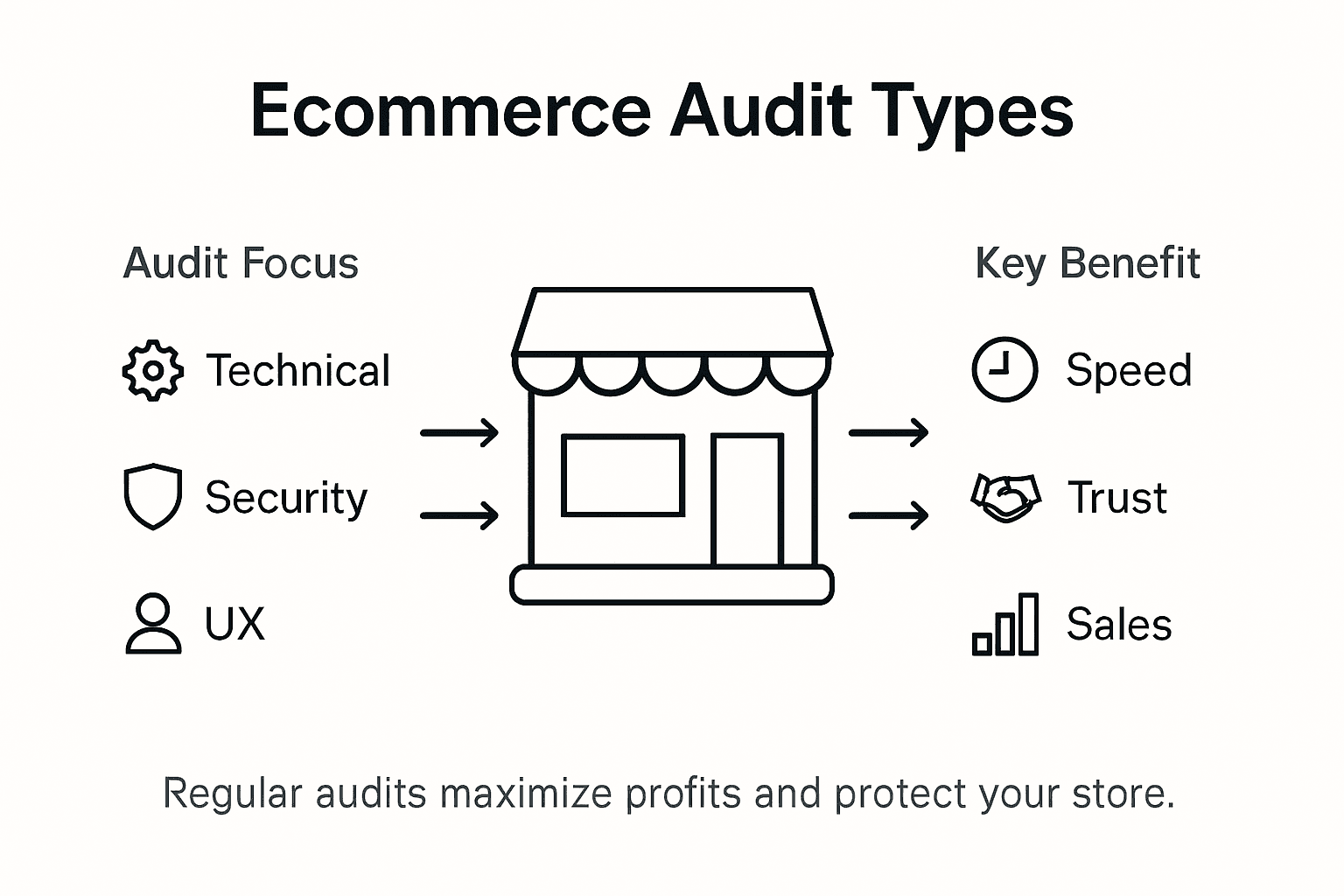
Effective audit implementation requires establishing clear measurement frameworks and standardized evaluation protocols. This involves creating baseline performance metrics, developing consistent assessment templates, and building repeatable processes that allow meaningful comparative analysis across different audit periods. Store owners should prioritize quantifiable metrics like conversion rates, average transaction values, customer retention percentages, and specific performance indicators unique to their business model. Detailed documentation of findings, actionable recommendations, and precise implementation strategies transforms audits from theoretical exercises into practical business improvement initiatives.
Pro Tip – Audit Documentation Strategy: Create a standardized audit report template with clear sections for current performance, identified vulnerabilities, recommended actions, potential business impact, and implementation priority rankings. This approach ensures consistent, actionable insights that can be easily understood and acted upon by technical and non-technical team members.
Unlock Your Store’s Full Potential with Expert Ecommerce Audits
Understanding why audits are essential to boost profits and build customer trust is the first step to transforming your online store’s performance. The challenges of uncovering hidden security vulnerabilities, optimizing user experience, and enhancing conversion rates require more than just routine checks. Blackbelt Commerce specializes in comprehensive Shopify store audits and custom solutions that address those exact pain points. From technical performance to security evaluations and conversion optimization, their expert team turns audit insights into powerful improvements that drive real revenue growth.

Ready to move beyond generic audits and leverage proven strategies tailored to your Shopify store? Visit Blackbelt Commerce for detailed case studies and discover how their systematic approach to e-commerce optimization can maximize your store’s potential. Take control of your digital storefront today by exploring their Shopify development and optimization services and start a conversation that leads to measurable growth and enhanced customer trust.
Frequently Asked Questions
What is the core purpose of an e-commerce store audit?
The core purpose of an e-commerce store audit is to assess performance, evaluate security, optimize user experience, and plan for strategic improvements. Audits help identify hidden barriers and opportunities that can enhance store functionality and profitability.
How do e-commerce audits improve store security?
E-commerce audits improve store security by systematically examining payment gateway integrations, data protection protocols, and potential vulnerabilities. This proactive approach helps prevent data breaches, fraud attempts, and unauthorized access, thereby protecting sensitive customer information.
What are the different types of e-commerce audits?
The different types of e-commerce audits include technical performance audits, security audits, user experience audits, content audits, and conversion optimization audits. Each type targets specific areas of the online business to enhance overall performance and customer engagement.
Why is it important to conduct regular e-commerce audits?
Regular e-commerce audits are essential because they help businesses identify performance bottlenecks, security vulnerabilities, and opportunities for improvement. Neglecting audits can lead to significant risks, such as slow site performance and compromised customer data, which can adversely affect trust and profitability.
Recommended
- Why Optimize Ecommerce Stores: Complete Guide – Shopify Experts: Grow Your eCommerce Revenue
- E commerce fraud prevention specialist: Secure Your 2025!
- Complete Guide to Ecommerce Security Basics – Shopify Experts: Grow Your eCommerce Revenue
- Effective E-Commerce Strategies to Boost Your Online Store
Quick Answer: Why audit ecommerce stores
Why audit ecommerce stores should help Shopify merchants turn search visibility into qualified traffic, trust, and revenue. The strongest approach connects technical SEO, content, internal links, performance, authority, and conversion paths so organic traffic has a clear commercial next step.
Want a sharper Shopify growth plan?
Want to turn Why audit ecommerce stores into a practical Shopify growth plan? Book a strategy call and we will help you clarify the next move.
Key Takeaways
- Use Why audit ecommerce stores to clarify the business problem and the highest-impact next step for a Shopify store.
- Connect recommendations to customer trust, UX, conversion, SEO, analytics, operations, and revenue.
- Link naturally to Blackbelt Commerce money pages and the home page without weakening editorial trust.
- Avoid generic ecommerce advice; make the guidance specific to Shopify constraints and opportunities.
- Use the same-page Calendly CTA only after the post has delivered useful guidance.
How this connects to your Shopify growth strategy
For the Shopify Growth, CRO, and Store Optimization cluster, this article should make Why audit ecommerce stores practical, specific, and commercially useful while protecting editorial trust. The bridge to Blackbelt Commerce should show when expert planning, implementation, SEO/CRO discipline, or Shopify Plus support can reduce risk and turn the reader’s next decision into measurable progress.
Want a sharper Shopify growth plan?
Use this guide as a decision tool. Then book a strategy call when you want a practical roadmap for your store.
Related Shopify resources
These internal resources support the Shopify Growth, CRO, and Store Optimization topic cluster and help connect this guide to stronger commercial next steps:
- Shopify SEO services
- Shopify experts
- Shopify Plus agencies
- Shopify SEO services — Primary money/service page for this search intent
- Blackbelt Commerce — Home-page authority link for brand and core Shopify expertise
- Shopify experts — Money-page link requested for expert-hiring intent
- Shopify custom development — Development service page for implementation and technical help
- Shopify checkout optimization — Related conversion article
- Shopify conversion optimization — Related CRO article
Questions store owners ask before taking action
Why does Why audit ecommerce stores matter for Shopify merchants?
It matters when the topic affects customer trust, conversion, operations, SEO, analytics, or the team’s ability to scale the store cleanly.
How should the article guide the reader?
It should answer the search intent first, then connect the topic to practical next steps, related resources, and expert support when that next step is useful.
What is the lead-generation goal?
The goal is a qualified strategy-call booking after the article has delivered enough value for the reader to trust Blackbelt Commerce with the next decision.
Future articles needed for topical dominance
To build deeper topical authority around this cluster, these supporting topics should be created later and linked back into this article:
- Why audit ecommerce stores Checklist for Shopify Stores: Creates an actionable support article that can earn long-tail searches and link back to relevant money pages.
- Common Why audit ecommerce stores Mistakes That Hurt Shopify Revenue: Targets problem-aware readers and explains UX, SEO, conversion, and implementation risk.
- How Shopify Experts Prioritize Why audit ecommerce stores: Links informational intent to expert support without turning the main article into a sales pitch.
Want a sharper Shopify growth plan?
Ready to turn the advice in this article into an action plan? Open the calendar here and choose a time that works for you.

