


Why E-commerce Website Development Drives Business Success
E-commerce website development is the strategic process of building an online platform for selling products or services. It encompasses everything from the visual frontend design and backend server logic to secure payment integration, product management, and mobile optimization. A well-executed project ensures a seamless and secure shopping experience for your customers.
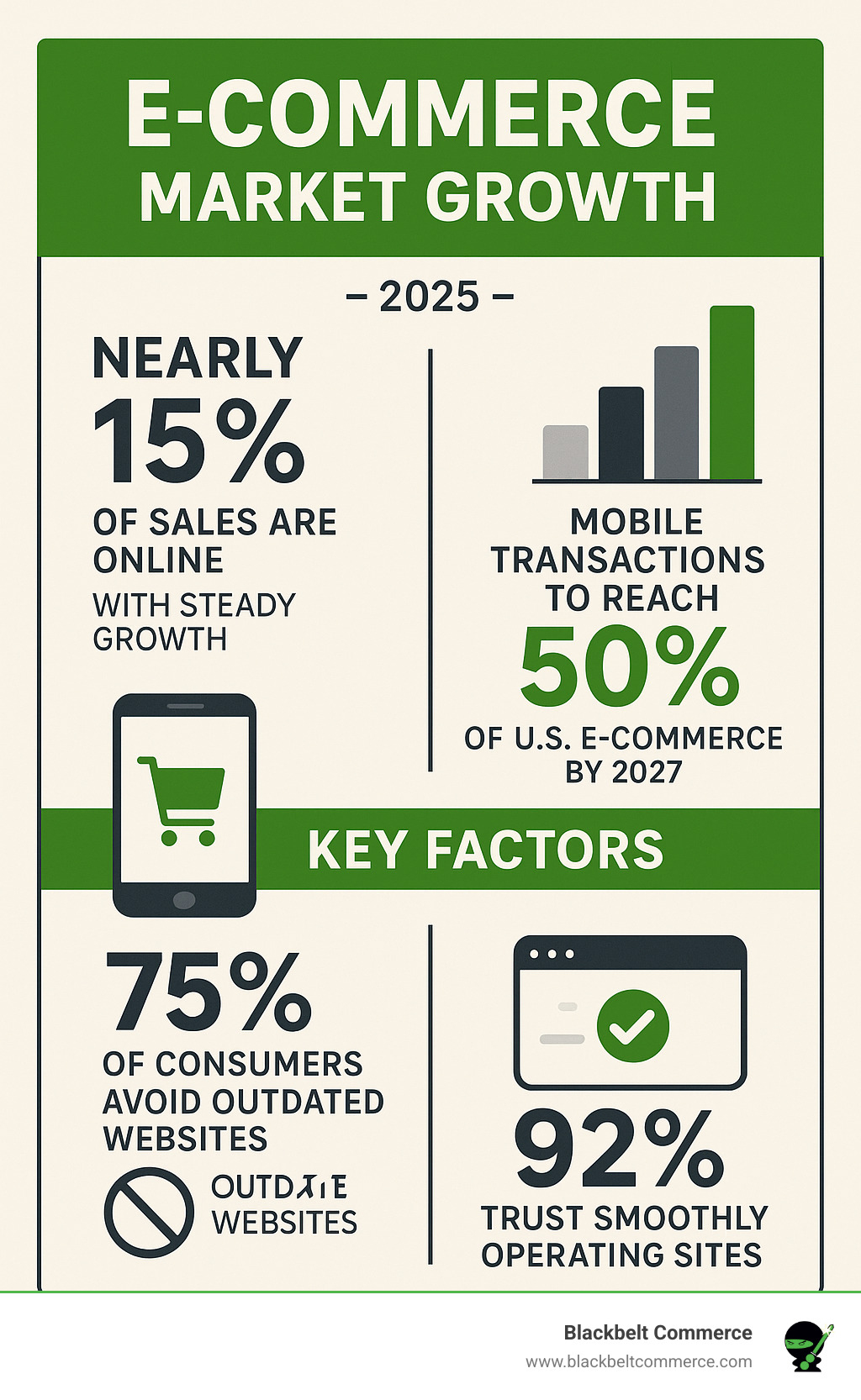
The numbers tell a compelling story. With nearly 15% of all sales now happening online—a figure that’s steadily rising—a professional e-commerce presence is no longer optional. It’s essential for growth and survival in the digital marketplace.
The impact of a strong online store can be dramatic. However, 75% of consumers will avoid making a purchase from a site that appears outdated or unprofessional. Conversely, 92% feel more confident buying from a smoothly operating website. This gap between a basic store and a high-converting platform is where businesses either thrive or fail.
I’m Cesar A Beltran, Founder and CEO of Blackbelt Commerce. For over 15 years, I’ve guided businesses through the complexities of e-commerce website development. As an award-winning Shopify Plus partner, our team has helped over 1,000 businesses transform their online stores into powerful revenue-generating machines.
E-commerce website development helpful reading:
Foundations of E-commerce Success: What It Is and Why It’s Crucial
The digital marketplace has fundamentally changed how we do business. E-commerce website development is no longer just about creating an online catalog; it’s about building a powerful engine for growth. Your e-commerce site works 24/7, reaching a global audience, gathering valuable customer data, and building brand equity with every interaction.
With nearly 15% of sales occurring online and that number climbing, a well-developed e-commerce platform is essential. Whether you’re a startup or an established brand, your website is the foundation for your digital strategy. Modern platforms offer the flexibility to start small and scale, adding features as your business evolves.
What are the key differences between B2B and B2C development?
Not all e-commerce is the same. The distinction between business-to-business (B2B) and business-to-consumer (B2C) development is critical.
B2B e-commerce prioritizes efficiency and relationships. Key features include bulk ordering, custom pricing for different client tiers, and complex account management systems. The goal is to streamline the purchasing process for other businesses, often requiring deep integration with ERP and CRM systems.
B2C e-commerce focuses on the user experience and emotional connection. It’s designed to encourage impulse buys and make every interaction feel personal. This requires a lightning-fast checkout, compelling product storytelling, and sophisticated marketing automation to nurture customer relationships.
Understanding your audience—whether it’s a B2B buyer comparing technical specs or a B2C customer inspired by an Instagram post—is key to building a successful platform.
How does an e-commerce site support an omnichannel strategy?
Your e-commerce site should be the central hub of your omnichannel solution, connecting every customer touchpoint for a seamless experience. An omnichannel strategy ensures consistency whether a customer interacts with your brand on social media, your website, or in a physical store.
This is made possible by features like centralized inventory, which syncs stock levels across all channels in real-time. A consistent brand experience ensures your digital and physical presences look and feel the same. Customer data is unified, giving your team a complete view of purchase history and preferences regardless of the channel.
Key integrations enable this strategy. You can sell on marketplaces like Google and Amazon from a single dashboard, use social commerce integration to allow purchases directly from social posts, and manage online returns in-store. This unified approach is not just convenient for customers; it’s profitable, as omnichannel shoppers tend to spend more and remain more loyal.
The 7-Step E-commerce Website Development Process
Building a successful e-commerce website is a structured journey. Breaking the project down into clear, manageable steps ensures that complexities like scope creep and technical problems are managed effectively. At Blackbelt Commerce, we’ve refined this 7-step process over more than 1,000 projects to ensure nothing falls through the cracks.
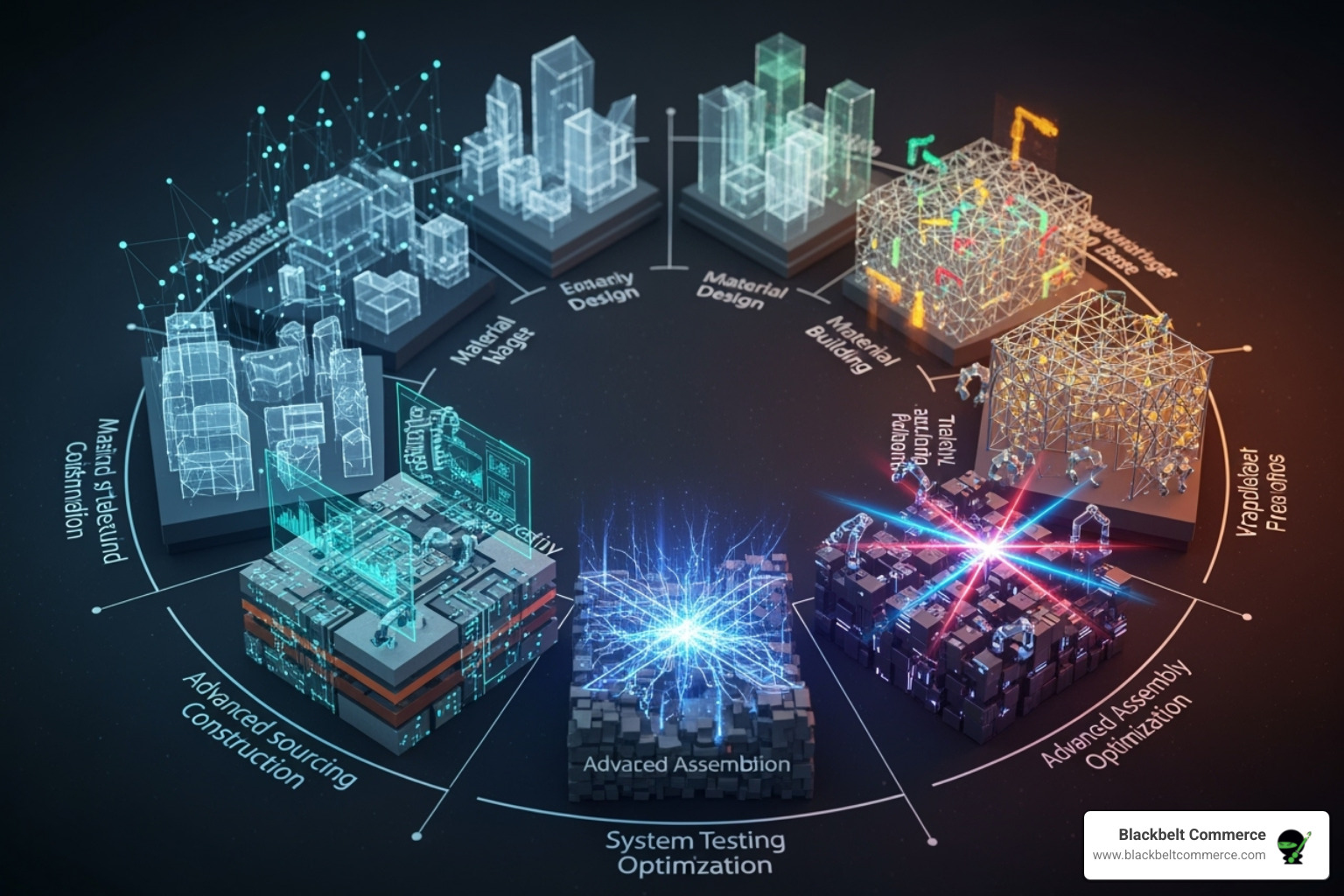
Step 1: Findy, Strategy, and Planning
We call this our “findy” phase—a playful term for the critical findy process. Here, we dig deep to understand your business, target audience, and what success looks like for you. This initial phase involves competitor analysis to identify market gaps, practical budgeting, choosing a domain name, and mapping out essential site features. A solid plan is the foundation for a successful project. If you’re ready to explore what this might look like for your business, you can Book a strategy call with us to start the conversation.
Step 2: UX/UI Design and Information Architecture
This step translates your vision into a visual and functional blueprint. We prioritize user experience (UX) to ensure customers can easily find what they need. The process begins with sitemap creation and wireframing to outline the site’s structure and page layouts. We then map the user journey to identify and eliminate potential friction points. Finally, we create high-fidelity mockups—detailed visual designs that show exactly how the finished site will look and feel, with a conversion strategy embedded in every element. A site like Gymshark’s exemplifies this, with clean navigation and clear calls-to-action that guide the user effortlessly.
Step 3: Choosing Your Platform and Development Approach
The platform you choose is the foundation of your online store. For most businesses, managed platforms like Shopify and BigCommerce offer the best balance of power, scalability, and ease of use. Starting around $39 per month, they include hosting, security, and updates, allowing you to focus on selling. Their extensive app ecosystems let you add functionality as you grow. Other options exist, such as open-source platforms that offer more control but require you to manage hosting, security, and maintenance. For unique, enterprise-level needs, custom development or a headless commerce architecture provides unlimited flexibility, though with a significantly higher investment. At Blackbelt Commerce, we specialize in Shopify and BigCommerce, changing these powerful platforms into conversion-focused stores. Our Shopify design services showcase this expertise.
Step 4: Core Development and Feature Integration
Here, our developers build the engine that powers your store. Frontend development uses HTML, CSS, and JavaScript to create the visual, interactive experience your customers see. Simultaneously, backend development builds the server-side infrastructure, including the database for products and customers, and the logic for processing orders. API integrations are crucial for connecting your e-commerce site to other business systems like inventory management, CRM, and accounting software. We also set up secure payment gateways and configure shipping logic to ensure a smooth process from cart to checkout.
Step 5: Content and Product Population
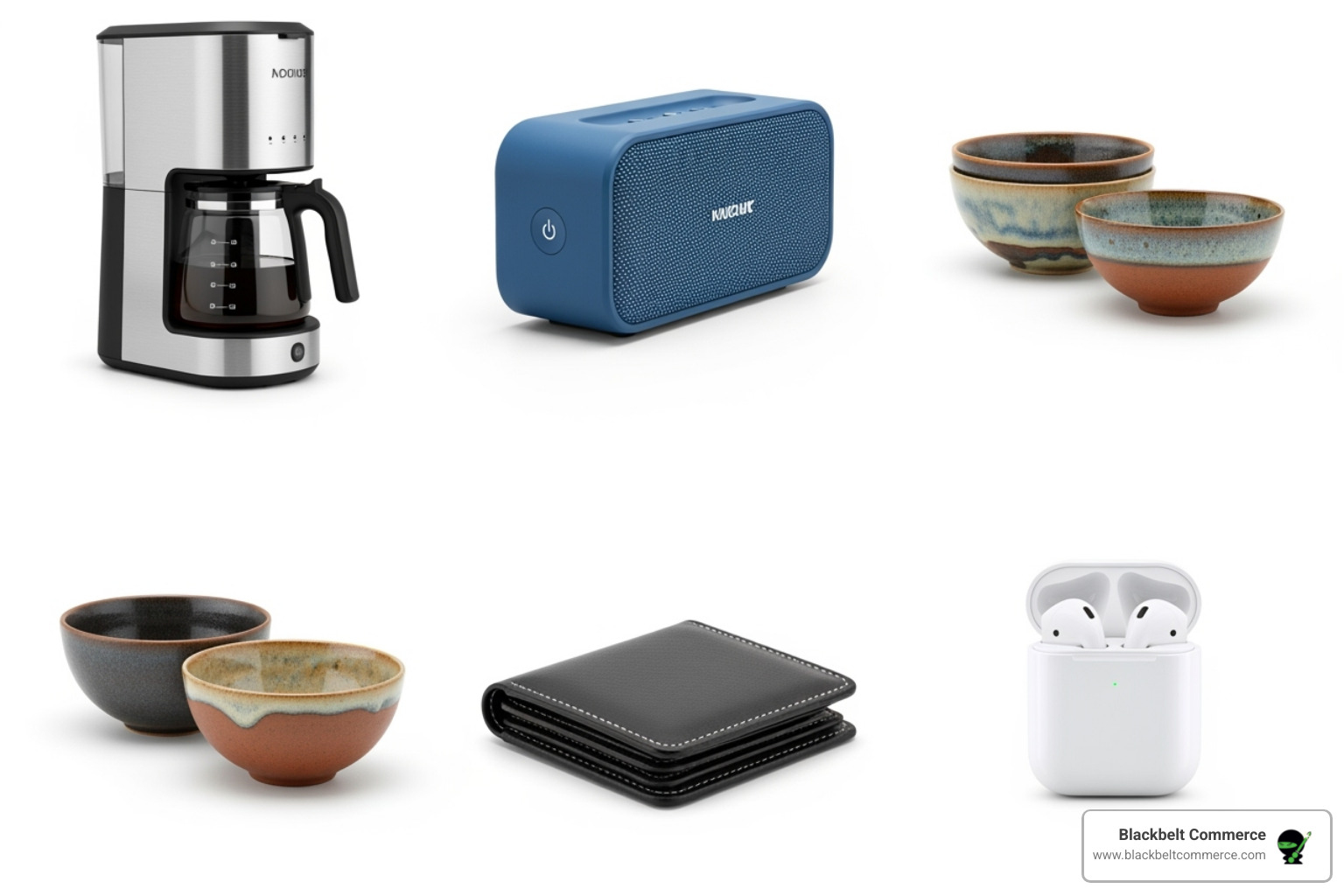
A technically perfect site is useless without compelling content. This step brings your brand and products to life. High-quality product photography is essential, as customers cannot physically interact with your products. Multiple angles, zoom functionality, and clean backgrounds build confidence. Compelling product descriptions should focus on benefits, not just features, painting a picture of how the product improves the customer’s life. We organize products into logical categories with intuitive filtering options and optimize all SEO metadata to help search engines understand and rank your pages.
Step 6: Testing, Quality Assurance, and Launch
Before launch, we conduct rigorous testing to ensure a flawless debut. Our QA process includes functionality testing of every button and form, cross-browser compatibility checks, and thorough mobile responsiveness testing. With mobile transactions projected to hit nearly 50% of US e-commerce sales by 2027, this is non-negotiable. We perform security checks, including SSL implementation and PCI compliance scans, and conduct performance optimization to ensure fast loading speeds. Our comprehensive pre-launch checklist guarantees a smooth and successful grand opening.
Step 7: Post-Launch Maintenance and Growth
Launching your website is just the beginning. The most successful e-commerce businesses are constantly evolving. Ongoing updates and security patches are vital for protecting your site against threats. We use performance monitoring and analytics review to track key metrics and identify opportunities for improvement. This data informs our Conversion Rate Optimization (CRO) efforts, where we test changes to improve performance. At Blackbelt Commerce, we believe in long-term partnerships, offering ongoing support through our comprehensive services to ensure your continued growth.
Essential Qualities of a High-Converting E-commerce Site
The difference between a website that simply exists and one that drives sales lies in a few key qualities. Effective e-commerce website development focuses on creating a conversion machine that turns visitors into loyal customers. A well-developed site builds trust, streamlines the buying process, and ultimately grows your bottom line.
Superior UI/UX and a Flawless Mobile Experience
With mobile transactions expected to account for almost 50% of US e-commerce sales by 2027, a flawless mobile experience is paramount. If your site isn’t optimized for phones, you’re turning away nearly half of your potential customers. Intuitive navigation and fast loading speed are not just nice-to-haves; they are essential for preventing users from leaving your site in frustration. The best mobile experiences, like that of Colourpop’s mobile site, feature responsive design that adapts to any screen, thumb-friendly calls-to-action, and quick load times. This creates an effortless experience that encourages conversions.
Ironclad Security and Customer Trust
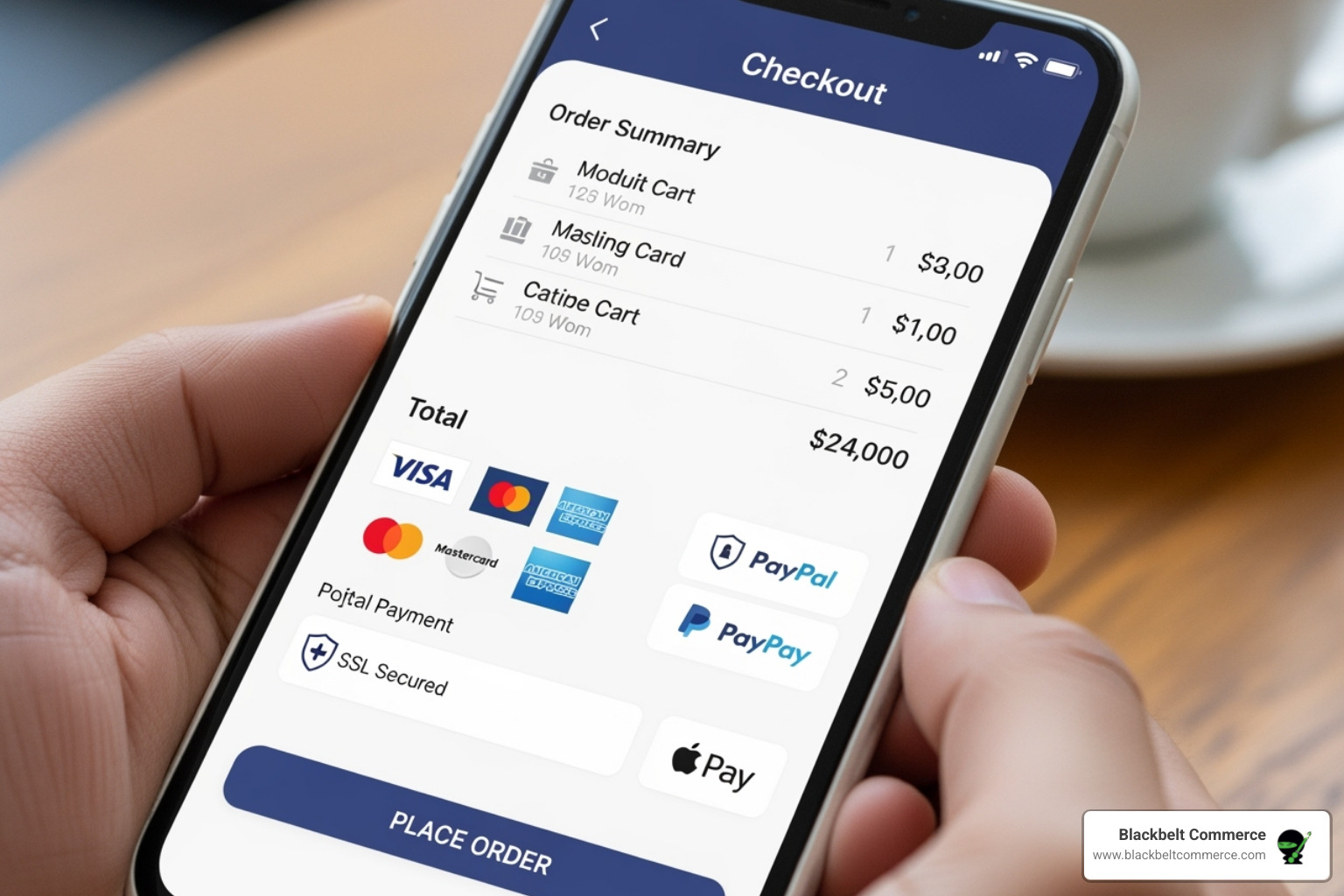
Customers will not enter payment information on a site that feels insecure. Building trust starts with visible security measures. The HTTPS padlock icon, enabled by SSL/TLS certificates, is the first sign to customers that their data is encrypted and protected. Adhering to PCI compliance standards is your promise that payment information is handled securely. Displaying trust badges from recognized security providers or payment gateways, as seen on sites like Manitobah, provides instant visual reassurance. Strong security doesn’t just protect data; it builds the confidence needed for customers to complete a purchase.
A Seamless, Frictionless Checkout Process
Shopping cart abandonment is often caused by a complicated checkout process. The best checkouts are nearly invisible. Offering a guest checkout option respects customer time and prevents the friction of forced account creation. Providing multiple payment methods, including digital wallets like PayPal or Apple Pay and one-click options like Shop Pay, caters to user preferences and can dramatically speed up the process. Finally, be transparent with clear shipping costs upfront and use progress indicators to show customers exactly where they are in the process. A frictionless checkout can reduce abandonment and increase average order value.
Built-in SEO for Maximum Visibility
A beautiful store is useless if no one can find it. SEO must be integrated into the e-commerce website development process from the start. This includes creating SEO-friendly URLs (e.g., /red-leather-boots instead of /product123), allowing for customizable meta tags for search results, and using alt text for images to improve accessibility and image search ranking. Fast site speed is a critical factor for both user experience and Google rankings. Implementing structured data markup helps search engines display rich product information like price and reviews directly in search results. An integrated blog also helps attract customers by providing valuable content and creating more pathways to your site.
Choosing Your Path: Platforms and Custom Development
Deciding how to build your e-commerce site is a critical choice that balances budget, control, and long-term goals. The right path depends on your specific business needs and growth ambitions.
| Feature / Option | Shopify & BigCommerce (SaaS) | Open-Source (Self-Hosted) | Custom Development (From Scratch) |
|---|---|---|---|
| Cost | Low monthly fees (starting ~$39/month), transaction fees, app costs | Low/no platform fees, but costs for hosting, development, and maintenance | Highest upfront cost (thousands to tens of thousands), ongoing maintenance |
| Flexibility | Good, via apps & themes; some limitations | High, full control over code & features | Ultimate, tailor-made to exact specifications |
| Time-to-Market | Fast (weeks to a few months) | Moderate (months) | Slowest (3-9+ months) |
| Maintenance | Managed by platform (updates, security) | Self-managed (requires technical expertise or developer) | Self-managed (requires dedicated dev team/agency) |
Shopify and BigCommerce: Scalable, Managed Solutions
Think of Shopify and BigCommerce as powerful, all-in-one solutions. They are known for their ease of use, allowing you to launch a professional store without deep technical knowledge. The lower upfront cost, with manageable monthly fees, makes them accessible for most businesses. A key advantage is managed hosting and security; the platform handles server maintenance, updates, and PCI compliance, freeing you to focus on your business. Their extensive app ecosystems allow you to add advanced functionality without custom coding. These platforms are highly scalable for growth, with enterprise-level plans like Shopify Plus and BigCommerce Enterprise capable of supporting billion-dollar businesses.
Open-Source and Custom-Built Solutions
For businesses with highly unique requirements, open-source platforms or fully custom-built solutions offer complete flexibility. This path allows for creating complex features, such as a 3D product configurator or intricate B2B pricing rules, that may not be possible on a standard SaaS platform. While there are often no recurring platform fees, this approach demands a higher initial investment in development and requires ongoing technical expertise for maintenance, security, and updates. The development timeline is also significantly longer, often taking three to nine months or more. This route is typically best for enterprise-level businesses with the resources to manage a more complex technical infrastructure.
Working Effectively with an E-commerce Developer
Regardless of the platform, a successful project depends on a strong partnership with your development team. At Blackbelt Commerce, we prioritize clear communication and mutual respect. The process should begin with defining the project scope to align on goals, features, and budget. Clear communication and providing constructive feedback at each stage are essential to keeping the project on track. It’s important to trust your developer’s expertise; they are not just coders but problem-solvers who understand what works in e-commerce. The right partner will be transparent and invested in solving your business challenges. If you’re looking for that kind of partnership, you can find expert developers for your project with us.
Frequently Asked Questions about E-commerce Website Development
Launching an online store is a significant investment, and it’s natural to have questions. Based on our experience helping over 1,000 businesses, here are the answers to the three most common questions we hear at Blackbelt Commerce.
How much does it cost to build an e-commerce website?
The cost of e-commerce website development varies widely, much like the cost of a car. The final price depends on the platform, features, and level of customization.
- SaaS Platforms like Shopify and BigCommerce are the most budget-friendly entry point. Plans start around $39 per month, plus transaction fees and costs for premium themes or apps. You can launch a professional store for a relatively low initial investment.
- Open-Source Solutions have no platform fees, but you must budget for hosting, themes, plugins, and developer time for setup and ongoing maintenance. A project with an agency can range from $3,000 to $15,000 or more.
- Custom-Built Solutions represent the largest investment, ranging from $10,000 to over $100,000 for enterprise-level platforms with complex, bespoke functionality.
The right choice depends entirely on your specific requirements, from a small boutique to a large B2B enterprise.
What are the most critical features for a new e-commerce store?
For a new store, focus on a core set of non-negotiable features that build trust and drive sales:
- A secure and frictionless checkout: This includes guest checkout, multiple payment options, and clear progress indicators to minimize cart abandonment.
- Mobile responsiveness: Your site must look and function perfectly on all devices, especially smartphones, where a huge portion of shopping now occurs.
- High-quality product imagery and descriptions: Since customers can’t touch your products, professional photos and benefit-driven copy are your most important sales tools.
- Intuitive navigation and search: Help customers find what they want quickly with a clear menu structure and powerful search and filtering options.
- Built-in SEO capabilities: Ensure your store is findable with SEO-friendly URLs, customizable meta tags, and fast load times.
How long does the e-commerce website development process take?
The timeline depends on the complexity of the project.
- Basic Platform Setups on Shopify or BigCommerce can be launched in as little as 2-4 weeks if you use a standard theme and have all your content ready.
- Comprehensive Platform Builds involving custom design, app integrations, or data migration typically take 2-4 months. This includes our full process of strategy, design, development, and testing.
- Custom-Built Solutions are the most time-intensive, often requiring 6 to 12 months or more to build from the ground up.
A realistic timeline accounts for strategy, design iterations, and thorough testing, ensuring the final product is built to perform.
Conclusion
The digital marketplace is full of opportunity, and strategic e-commerce website development is your key to open uping it. It’s an investment in your growth, impacting everything from customer acquisition to your return on investment. From choosing the right platform to ensuring ironclad security, every step is critical to building a high-performance digital storefront that stands out.
The future of e-commerce is mobile, personal, and seamlessly integrated across online and offline channels. To succeed, you need more than a website; you need a conversion-focused partner who understands the landscape and can translate your vision into reality.
For businesses seeking a high-performance store on Shopify or BigCommerce, partnering with a specialized agency like Blackbelt Commerce ensures your project is realized with expertise and precision. We’ve helped over 1,000 businesses transform their online presence, and we’re ready to help you, whether you’re in Los Angeles, New York, or beyond.
The time to invest in your digital future is now. Your competitors are already moving—don’t get left behind.
Ready to open up your e-commerce potential? Book a call to start your project and find how the right development strategy can lift your business.
Quick Answer: E-commerce website development
Ecommerce development partners help merchants turn platform decisions, UX requirements, integrations, performance needs, and growth goals into a working store experience. The right partner should understand Shopify architecture, conversion, SEO risk, app discipline, QA, and the operational realities behind running an ecommerce business.
Want a sharper Shopify growth plan?
If this article connects to a current store decision, use the calendar to book a strategy call and turn the idea into a practical plan.
Key Takeaways
- Ecommerce development should connect technical execution to revenue, customer experience, SEO, performance, and operational needs.
- The best development partner can explain tradeoffs around themes, apps, custom code, integrations, and maintainability.
- Merchants should avoid judging development help only by price because weak implementation often creates expensive rework.
- Internal links should connect development research to Shopify experts, custom development, Shopify Plus agencies, and ecommerce solutions.
- The same-page Calendly CTA should move qualified readers from research into a practical project-scope conversation.
How this connects to your Shopify growth strategy
This article should remain useful for readers researching E-commerce website development, but it also needs to show when the topic becomes a business decision. For the Shopify Growth, CRO, and Store Optimization cluster, the commercial bridge is practical: once the reader understands the concept, the next step is deciding whether their current Shopify setup can support the desired experience, conversion path, and operational workflow. That is where expert planning, design, development, CRO, and SEO support can turn the idea into measurable store improvements.
Want a sharper Shopify growth plan?
Use this guide as a decision tool. Then book a strategy call when you want a practical roadmap for your store.
Related Shopify resources
These internal resources support the Shopify Growth, CRO, and Store Optimization topic cluster and help connect this guide to stronger commercial next steps:
- Shopify CRO
- Shopify experts
- Shopify Plus agencies
- Shopify CRO — Parent service page for the reader’s next commercial step
- Blackbelt Commerce — Home-page authority link for brand and core Shopify expertise
- Shopify experts — Money-page link requested for expert-hiring intent
- Shopify Plus agencies — Money-page link requested for high-growth and Plus-agency intent
- Shopify custom development — Development service page for implementation and technical help
- Shopify checkout optimization — Related conversion article
- Shopify conversion optimization — Related CRO article
Questions store owners ask before taking action
What does an ecommerce development company do?
It plans and builds storefronts, themes, apps, integrations, performance improvements, custom workflows, and technical fixes that support ecommerce goals.
What makes a good Shopify development partner?
A strong partner understands technical implementation, UX, SEO risk, conversion, app discipline, QA, and operational maintainability.
When should a merchant avoid DIY development?
DIY becomes risky when changes affect checkout, SEO, integrations, revenue-critical pages, analytics, or complex theme behavior.
How can development improve lead generation?
Better development can improve speed, clarity, CTAs, landing pages, tracking, and conversion paths that help qualified visitors take action.
When should a reader book a strategy call?
A call is useful when the merchant needs help scoping a development project or deciding which technical work matters most.
Future articles needed for topical dominance
To build deeper topical authority around this cluster, these supporting topics should be created later and linked back into this article:
- E-Commerce Website Development Checklist for Shopify Store Owners: Creates a practical support article that turns the Shopify Growth, CRO, and Store Optimization topic into an actionable review tool.
- Common E-Commerce Website Development Mistakes and How to Avoid Them: Captures problem-aware searches and gives BBC a natural place to explain implementation risks without hard selling.
- When to Hire Shopify Experts for E-Commerce Website Development: Connects informational demand to the expert-hiring money page while preserving educational intent.
Want a sharper Shopify growth plan?
Ready to turn the advice in this article into an action plan? Open the calendar here and choose a time that works for you.

