

Blog updated with the most recent Shopify and eCommerce strategies on 05/02/2026.
Shopify Plus Security vs. The Competition: Your Enterprise E-Commerce Shield
In today’s digital landscape, the question of “how does Shopify Plus security stack up against other e-commerce platforms?” is more critical than ever for enterprises facing a relentless barrage of cyber threats. This deep dive provides actionable intelligence on Shopify Plus’s security prowess, benchmarks it against Magento (Adobe Commerce), BigCommerce Enterprise, and WooCommerce, covers essential compliance mandates like PCI DSS, GDPR, and CCPA, explores advanced headless commerce defenses, outlines smart migration strategies, and touches on cutting-edge trends like AI-powered fraud detection. Discover how Shopify Plus builds robust, multi-layered data defenses, automates threat mitigation, and ensures regulatory adherence—and how BlackBelt Commerce harnesses these strengths to deploy secure, high-performance Shopify Plus solutions for ambitious brands.
What’s Under the Hood: Shopify Plus’s Core Security Features?
Shopify Plus fortifies enterprise stores with a sophisticated, multi-layered architecture. It combines robust data encryption, round-the-clock monitoring, and automated compliance processes to shrink your attack surface and solidify customer confidence. These fundamental controls are the bedrock of how Shopify Plus safeguards sensitive data, thwarts fraud, and meets global privacy mandates.
Before we dissect the specifics, here’s a snapshot of the foundational security pillars supporting Shopify Plus:
- Encryption & Data Isolation: Seamless SSL/TLS protection across all storefronts and admin interfaces.
- Compliance Automation: Out-of-the-box PCI DSS Level 1 certification and built-in GDPR/CCPA tools.
- Fraud Prevention: Intelligent, machine learning-driven risk assessments integrated directly into the checkout.
- Integrated Payments: Secure tokenization and vaulting powered by Shopify Payments.
- Custom Workflows: Shopify Flow and Scripts for enforcing bespoke security policies.
These elements work in synergy to deliver enterprise-grade security. The following sections delve into each component and set the stage for direct platform comparisons.
How Does Shopify Plus Safeguard Your Customer Data and Transactions?
Shopify Plus guarantees the confidentiality and integrity of customer data by implementing end-to-end SSL/TLS encryption and maintaining PCI DSS Level 1 certification—the gold standard for payment security.
Every checkout page, API interaction, and admin session is protected by 256-bit encryption, shielding personal and financial details from prying eyes. For instance, credit card data is never stored in plain text; it’s instantly tokenized and securely vaulted in a PCI-compliant, third-party environment.
Constant network monitoring and automated security scans actively detect suspicious activity, while robust data isolation between stores prevents cross-tenant vulnerabilities. These measures significantly reduce the risk of data breaches and cultivate deep customer trust.
What Advanced Fraud Prevention Does Shopify Plus Offer?

Shopify Plus deploys sophisticated supervised and unsupervised machine learning models to flag high-risk orders in real time. Merchants gain the power to set customizable rules for automatic order holds, manual reviews, or immediate cancellations. Risk assessments intelligently analyze factors like IP reputation, shipping-billing address discrepancies, and transaction velocity.
Key fraud defenses include:
- Automated Risk Analysis: Transactions are meticulously evaluated against dynamic, constantly updated fraud databases.
- Customizable Rule Engine: Merchants can define specific thresholds that trigger manual review processes.
- Chargeback Protection: Approved fraudulent orders are covered up to a defined limit, safeguarding your revenue.
These layered defenses can slash fraudulent chargebacks by up to 60%, ensuring merchants retain revenue and maintain healthy profit margins.
How Does Shopify Plus Ensure Compliance with GDPR and CCPA?
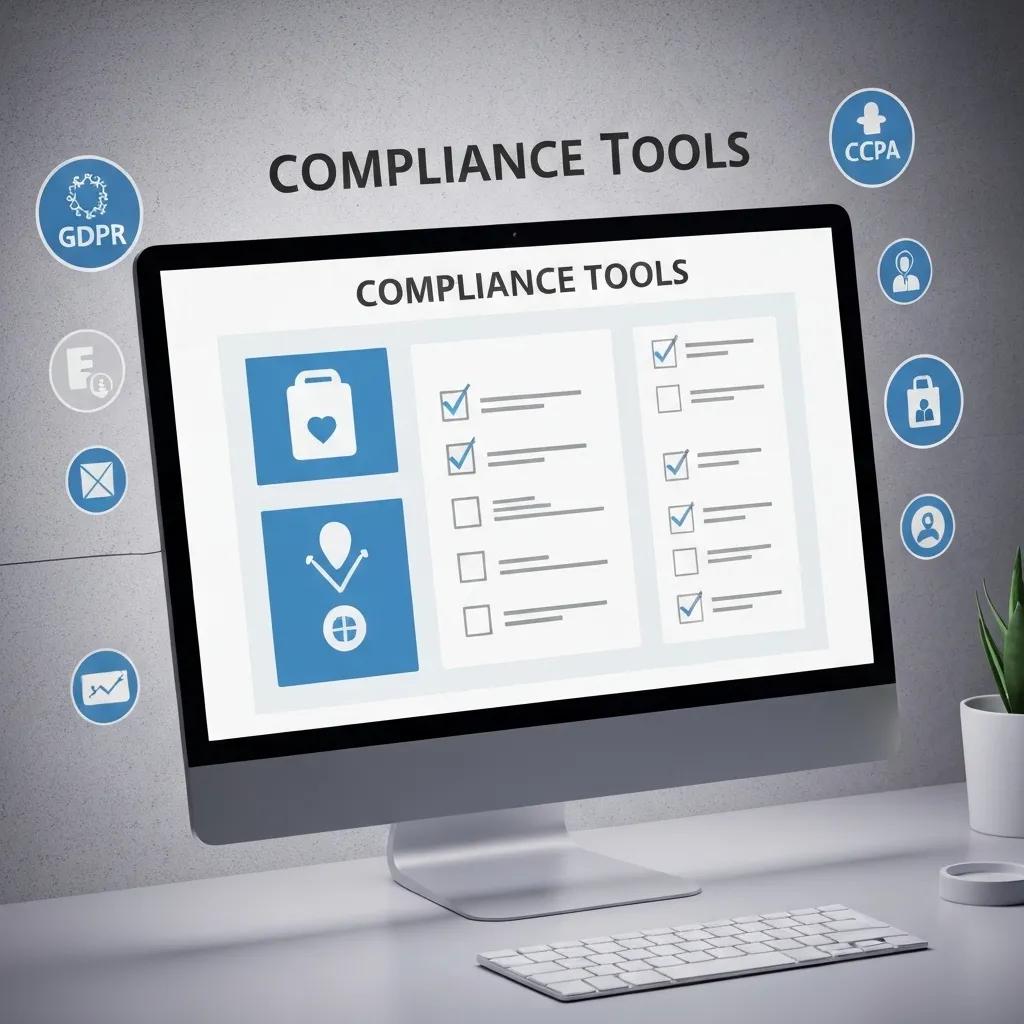
Shopify Plus empowers businesses to meet regional data privacy mandates with built-in tools for managing data subject requests, implementing cookie consent banners, and facilitating data export or deletion workflows. Merchants can easily:
- Export all customer data in readily usable, machine-readable formats.
- Automate the purging or anonymization of personal information upon request.
- Deploy geotargeted consent notices to ensure alignment with GDPR and CCPA requirements.
These features help businesses achieve timely compliance, sidestep hefty regulatory fines, and uphold consumer privacy rights across the globe.
What Role Does Shopify Payments Play in Platform Security?
Shopify Payments embeds PCI DSS controls directly into the platform, offering seamless tokenization, secure vaulting of card credentials, and real-time fraud analysis without the need for external connectors. This tight integration:
- Eliminates additional PCI scope for merchants.
- Ensures encryption standard updates are applied automatically.
- Provides transaction monitoring powered by Shopify’s global risk intelligence engine.
By centralizing payment security, Shopify Payments significantly reduces compliance burdens and elevates the trust and security of the checkout experience.
How Do Shopify Flow and Shopify Scripts Elevate Security?
Shopify Flow and Shopify Scripts empower merchants to automate critical security policies and custom workflows. These tools enforce access controls, refine fraud rules, and streamline customer verification processes. For example:
- Access Control: Automatically revoke staff permissions when policies are breached.
- Order Validation: Implement custom verification steps for high-value purchases.
- App Whitelisting: Restrict the installation of unapproved third-party applications.
These automation capabilities minimize human error, ensure consistent policy enforcement, and adapt dynamically to evolving threat landscapes.
Shopify Plus Security vs. Magento (Adobe Commerce): A Head-to-Head
Shopify Plus offers a fully managed, turnkey security solution, while Magento (Adobe Commerce) places the onus of configuration, hosting, and security updates squarely on the merchant. The differences are stark, spanning encryption, fraud management, compliance certifications, and hosting architecture.
The table below contrasts key security domains to highlight comparative strengths:
Shopify Plus’s centralized, SaaS-based security framework minimizes operational risk and ensures immediate access to the latest updates. In contrast, Magento’s inherent flexibility introduces potential security exposure if not managed with dedicated resources.
Data Protection: Shopify Plus vs. Magento
Shopify Plus enforces TLS encryption and host-level data isolation without requiring merchant intervention. Magento stores, however, depend on merchant-configured certificates and server hardening. Shopify’s global content delivery network (CDN) and built-in DDoS mitigation ensure consistent uptime and data integrity out of the box. Adobe Commerce installations typically need to integrate separate web application firewalls (WAFs) and DDoS protections, leading to a more variable security posture.
Fraud Prevention: A Tale of Two Platforms
Shopify Plus features a proprietary risk engine with dynamic rule sets that are automatically updated via continuous threat intelligence. Adobe Commerce, on the other hand, relies on extensions and third-party services that necessitate manual updates and separate subscriptions. This means Shopify Plus generally offers faster adaptation to emerging fraud tactics and tighter integration with checkout flows.
Compliance Certifications: Magento vs. Shopify Plus
While both platforms can achieve PCI DSS compliance, Shopify Plus holds Level 1 certification by default, encompassing the entire checkout and payment infrastructure. Adobe Commerce requires merchants to manage their own PCI audits, often involving specialized assessments of hosting, server configurations, and application code. Shopify Plus also provides native GDPR/CCPA toolkits, whereas Magento merchants must install and configure separate privacy modules.
Cloud Security Architecture: Shopify Plus vs. Magento
Shopify Plus operates on a multi-tenant, ISO 27001 and SOC-compliant infrastructure complete with built-in redundancy, automated patch management, and intrusion detection. Adobe Commerce deployments vary based on the hosting provider—whether self-managed or through certified cloud partners—and demand constant oversight of operating systems, middleware, and application updates to maintain equivalent security standards.
BigCommerce Enterprise Security: A Look at the Advantages Over Shopify Plus
BigCommerce Enterprise offers a robust feature set with strong compliance tools and flexible security controls. However, Shopify Plus often leads in automated compliance and integrated fraud mitigation. The following table highlights key distinctions:
These comparisons underscore Shopify Plus’s strengths in managed compliance and proactive threat response, while BigCommerce provides greater control at the cost of increased operational overhead.
Data Protection and Privacy: BigCommerce vs. Shopify Plus
Shopify Plus enforces encryption across all layers by default and offers automated data retention policies. BigCommerce, conversely, requires explicit configuration for SSL, cookie consent, and data export features. Shopify’s global privacy portal simplifies data subject requests, whereas BigCommerce merchants typically need to integrate third-party modules.
Fraud Prevention and Risk Management: A Comparative View
BigCommerce supports a variety of fraud detection apps, but each integration introduces complexity and potential maintenance gaps. Shopify Plus’s unified risk engine, continuously refined with global transaction data, ensures faster adaptation and a single, streamlined management interface for fraud rules.
Compliance and Regulatory Handling: BigCommerce vs. Shopify Plus
BigCommerce Enterprise provides tools for GDPR and CCPA, but leaves audit scheduling and certificate renewal to the merchant. Shopify Plus automates certificate updates and compliance reporting, significantly reducing the risk of lapses that could lead to fines or reputational damage.
Cloud Security Benefits: BigCommerce vs. Shopify Plus
Both platforms leverage cloud hosting with DDoS mitigation and CDNs. However, Shopify Plus’s multi-tenant model ensures resources and patches are applied seamlessly across the entire network. BigCommerce’s isolated instances offer tailored environments but come with the trade-off of manual patch management.
WooCommerce Security: How Does It Measure Up Against Shopify Plus?
WooCommerce, being an open-source plugin, offers immense flexibility but demands constant vigilance and maintenance to stay secure. Shopify Plus’s managed environment eliminates these burdens, delivering enterprise-grade protections without the headache of module conflicts.
The Security Hurdles of Using WooCommerce
WooCommerce security hinges on theme, plugin, and core updates that the merchant must manage. Vulnerabilities frequently stem from outdated extensions or poorly coded themes, necessitating dedicated security audits and monitoring tools.
How Shopify Plus Delivers Superior Data Protection
Shopify Plus centralizes encryption, tokenization, and breach detection within a single, expertly managed platform. Merchants benefit from automatic updates, globally certified SOC-compliant hosting, and native compliance controls—features that WooCommerce users must painstakingly replicate through plugins and server configurations.
Compliance Support: WooCommerce vs. Shopify Plus
WooCommerce can integrate GDPR and PCI DSS plugins, but each addition increases administrative complexity and introduces potential compatibility issues. Shopify Plus provides compliance toolkits and audit reports right out of the box, significantly reducing merchant risk and simplifying legal adherence.
Fraud Prevention and Checkout Security: A Key Difference
WooCommerce fraud tools typically rely on third-party services that may not integrate seamlessly with checkout flows, leading to inconsistent risk assessments. Shopify Plus’s embedded risk engine and built-in checkout security features ensure uniform protection and a faster response to emerging fraud schemes.
Essential E-Commerce Security Standards and Compliance Demands
To effectively protect transactions and personal data, e-commerce platforms must adhere to industry-wide standards and regulations. Understanding these requirements provides crucial context for platform comparisons.
What is PCI DSS and Why is It Crucial for E-Commerce?
The Payment Card Industry Data Security Standard (PCI DSS) outlines a comprehensive set of technical and operational requirements for safeguarding cardholder data. Compliance is vital for reducing fraud, minimizing the risk of data breaches, and building consumer trust. Level 1 certification, the highest tier for high-volume merchants, mandates rigorous network segmentation, encryption, and continuous monitoring.
How Do GDPR and CCPA Shape Platform Security?
The General Data Protection Regulation (GDPR) and the California Consumer Privacy Act (CCPA) impose strict requirements on data subject rights, consent management, and transparent data handling. Platforms must offer secure data export, deletion workflows, and clear auditing capabilities to avoid substantial fines—potentially up to 4% of global turnover or $7,500 per violation.
Best Practices for Cross-Platform Fraud Prevention
Effective fraud prevention is a multi-faceted strategy combining multi-factor authentication, dynamic risk scoring, device fingerprinting, and streamlined manual review workflows. Regularly updating fraud rules, integrating threat intelligence feeds, and leveraging machine learning models are paramount to staying ahead of evolving criminal tactics.
How Does Cloud Security Bolster E-Commerce Platform Safety?
Cloud hosting provides automated patch management, scalable DDoS protection, and global CDNs that reduce latency and effectively absorb volumetric attacks. Shared responsibility models ensure platform providers secure the infrastructure layers, allowing merchants to concentrate on application-level security.
Shopify Plus Security for Headless Commerce and Integrations
As headless commerce architectures gain traction, securing API connections and custom front-end applications becomes paramount. Shopify Plus extends its robust core security controls seamlessly into headless environments.
Security Risks in Headless Commerce Architectures
Headless setups expose APIs and microservices to external applications, significantly expanding the attack surface. Risks include insecure endpoints, potential token leakage, and vulnerabilities in third-party integrations that could compromise backend systems.
How Shopify Plus Secures API Integrations and Third-Party Apps
Shopify Plus enforces OAuth 2.0 for app authentication, provides granular API scopes for precise control, and conducts automated vulnerability scans on approved apps. Rate limits and monitoring dashboards alert merchants to unusual API activity, minimizing the risk of credential abuse.
Tools for Secure Custom Development with Shopify Plus
Developers can leverage the Shopify CLI’s linting and security analysis tools, consult secure coding guidelines, and utilize built-in log aggregation for anomaly tracking. Webhooks are securely signed and verified, ensuring the integrity of data exchanges in custom storefronts.
Optimizing Security During Your Migration to Shopify Plus
Migrating to a new platform inherently involves data transfer and configuration risks. Proactive planning and expert guidance are essential for a seamless and secure transition.
Key Security Considerations for Platform Migration
During migration, businesses must prioritize encrypting data in transit, meticulously validating data mappings to prevent exposure, and auditing user roles to enforce least-privilege access from day one. A comprehensive migration playbook minimizes downtime and reduces the likelihood of misconfigurations.
How BlackBelt Commerce Ensures Secure Shopify Plus Migrations
BlackBelt Commerce employs a structured migration framework featuring encrypted data pipelines, automated role provisioning, and exhaustive security checklists. Our certified Shopify Plus experts conduct penetration tests, meticulously review app approvals, and implement custom Flow policies to guarantee your new store launches with robust, enterprise-grade protections. Explore our Shopify Plus expertise for more details.
Post-Migration Security Best Practices for Ongoing Protection
Following migration, maintain continuous vigilance through application performance and security dashboards, schedule quarterly vulnerability scans, and promptly apply Shopify’s monthly feature and security updates. Regular staff training on access protocols and consistent enforcement of two-factor authentication solidify a strong security posture.
Emerging Trends in E-Commerce Security: What’s Next for Shopify Plus and Competitors?
The future of platform security is being shaped by AI analytics, automated workflows, evolving privacy regulations, and architectural shifts toward headless models—all of which profoundly influence how enterprises protect their online commerce operations.
The Role of AI in Fraud Detection and Prevention
AI algorithms meticulously analyze transaction data to identify patterns indicative of fraudulent behavior, enabling real-time decisions that adapt swiftly to new scam tactics. Predictive scoring models effectively reduce false positives and streamline manual review processes.
Automation’s Impact on Enhancing Security
Automation tools like Shopify Flow and native platform scripts enable continuous policy enforcement, instant access revocation, and rapid incident response without human intervention, drastically minimizing response times and reducing operational overhead.
Evolving Privacy Regulations and Their Security Implications
Emerging legislation, such as Brazil’s LGPD and India’s PDP bill, introduces new requirements for data residency and consent management. Platforms must adapt their privacy controls, consent banners, and cross-border data flow restrictions to ensure ongoing global compliance.
Security Implications of Growing Headless Commerce Adoption
As headless architectures expand, enterprises must secure a multitude of endpoints, manage API credentials centrally, and meticulously monitor event streams for anomalies. Zero-trust models and robust identity management become indispensable for preventing lateral movement within decoupled systems.
Choosing Shopify Plus equips enterprises with a security-first foundation, automated compliance, and unified fraud controls that significantly outperform alternative self-managed solutions. By understanding how Shopify Plus compares to Magento, BigCommerce, and WooCommerce across data protection, compliance, and cloud architecture, businesses can make informed decisions and leverage secure platform migrations. With emerging trends pointing toward AI-driven threat detection and the complexities of headless commerce, partnering with seasoned experts ensures resilient, future-ready e-commerce implementations.
Leverage these insights to fortify your online store, reduce operational burdens, and build unwavering customer trust on a platform meticulously engineered for enterprise-grade security.
Frequently Asked Questions
What makes Shopify Plus more secure than other e-commerce platforms?
Shopify Plus offers a fully managed, multi-layered security architecture with built-in PCI DSS Level 1 certification, automated compliance tools, machine learning fraud detection, and global cloud hosting, reducing operational risks compared to self-managed platforms.
How does Shopify Plus handle PCI DSS compliance?
Shopify Plus maintains PCI DSS Level 1 certification by default, embedding security controls directly into the platform and eliminating the need for merchants to manage separate audits or compliance tasks.
Can Shopify Plus protect against fraudulent transactions?
Yes, Shopify Plus uses advanced machine learning models to assess transaction risk in real time, allowing merchants to automate holds, reviews, or cancellations and reduce chargebacks by up to 60%.
Does Shopify Plus support GDPR and CCPA compliance?
Shopify Plus includes built-in tools for managing data subject requests, cookie consent banners, and data export or deletion workflows to help merchants comply with GDPR and CCPA regulations.
How does Shopify Plus secure API integrations in headless commerce?
Shopify Plus enforces OAuth 2.0 authentication, granular API scopes, automated vulnerability scans, and rate limiting to secure API connections and third-party apps in headless setups.
What are the benefits of Shopify Payments for security?
Shopify Payments integrates PCI DSS controls, tokenization, secure vaulting, and real-time fraud monitoring directly into the platform, reducing compliance burdens and enhancing checkout security.
How does Shopify Plus compare to Magento in terms of security management?
Shopify Plus offers a turnkey, SaaS-based security framework with automated updates and monitoring, while Magento requires merchants to manage hosting, security patches, and compliance audits themselves.
Is Shopify Plus suitable for enterprises concerned about data privacy?
Yes, Shopify Plus provides robust encryption, data isolation, and privacy tools that help enterprises meet global data protection standards and maintain customer trust.
What role do Shopify Flow and Scripts play in security?
They enable merchants to automate security policies, enforce access controls, validate orders, and restrict app installations, minimizing human error and adapting to evolving threats.
How can businesses ensure security during migration to Shopify Plus?
By encrypting data in transit, validating data mappings, auditing user roles, and leveraging expert migration frameworks like those from BlackBelt Commerce, businesses can achieve secure and seamless platform transitions.
Quick Answer: Shopify Plus Security and Fraud Prevention
Shopify Plus security and fraud prevention should combine platform safeguards with strong merchant practices, app discipline, payment controls, account access rules, monitoring, and operational response plans. The goal is to protect customer trust and revenue without adding unnecessary checkout friction.
Want a sharper Shopify growth plan?
Need a cleaner plan for Shopify Plus Security and Fraud Prevention? Book a strategy call and we will help you identify the safest, highest-impact next step.
Key Takeaways
- Use Shopify Plus Security and Fraud Prevention to solve a specific customer, operations, performance, or revenue problem.
- Avoid fragile customizations, app bloat, and unclear ownership that make Shopify Plus harder to maintain.
- Technical decisions should support speed, UX, SEO safety, integrations, analytics, and future iteration.
- Link the article naturally to Blackbelt Commerce, Shopify experts, and Shopify Plus agencies so the post supports lead generation without weakening editorial trust.
- Use the same-page Calendly CTA only after useful guidance has been delivered, so the booking step feels like help rather than interruption.
How this connects to your Shopify growth strategy
Readers researching Shopify Plus Security and Fraud Prevention usually have a technical blocker or growth constraint. This article should help them understand the issue, avoid fragile fixes, and see when Blackbelt Commerce can help turn Shopify Plus capabilities into a cleaner, faster, more reliable commerce experience.
Want a sharper Shopify growth plan?
Use this guide as a decision tool. Then book a strategy call when you want a practical roadmap for your store.
Related Shopify resources
These internal resources support the Shopify Plus Support, Pricing, and Agency Strategy topic cluster and help connect this guide to stronger commercial next steps:
- Shopify Plus Support, Pricing, and Agency Strategy
- Shopify experts
- Shopify Plus agencies
- Shopify Plus Support, Pricing, and Agency Strategy — Parent service page for the reader’s next commercial step
- Blackbelt Commerce — Home-page authority link for brand and core Shopify expertise
- Shopify experts — Money-page link requested for expert-hiring intent
- Shopify custom development — Development service page for implementation and technical help
- Shopify CRO — Conversion service page for readers focused on revenue and lead generation
- Cost of Shopify website — Related pricing article that helps readers compare platform, build, and expert investment decisions
- Shopify Plus checkout customization — Related Shopify Plus implementation guide for readers evaluating advanced Plus costs and capabilities
Questions store owners ask before taking action
How should merchants approach Shopify Plus Security and Fraud Prevention?
They should start with the business goal, define the customer or operational problem, then choose the simplest technical path that preserves performance, SEO, analytics, and maintainability.
What is a warning sign in Shopify Plus technical work?
A warning sign is custom work that lacks documentation, QA, ownership, rollback planning, performance review, or a clear reason tied to conversion or operations.
When should technical research become a strategy call?
A strategy call makes sense when the issue affects revenue, speed, integrations, checkout experience, customer trust, or the team’s ability to operate the store confidently.
Future articles needed for topical dominance
To build deeper topical authority around this cluster, these supporting topics should be created later and linked back into this article:
- Shopify Plus Security and Fraud Prevention Technical Checklist: Builds a practical support asset for complex Shopify Plus implementation decisions.
- Common Shopify Plus Security and Fraud Prevention Mistakes: Targets problem-aware merchants and explains technical debt, app bloat, and QA risks.
- When to Hire Shopify Plus Experts for Shopify Plus Security and Fraud Prevention: Connects technical research to the Plus agency money page and strategy-call path.
Want a sharper Shopify growth plan?
Ready to turn the advice in this article into an action plan? Open the calendar here and choose a time that works for you.

