

Unlocking Potential: Shopify Plus Customization Services to Elevate Your Online Store
What kind of customizations can a Shopify Plus partner provide for my store? This core question drives ambitious merchants to explore enterprise-grade modifications that transform user experience, streamline operations, and boost conversion rates. By partnering with a certified Shopify Plus agency, your brand gains tailored checkout logic, bespoke theme design, headless commerce architectures, B2B storefront capabilities, advanced system integrations, performance tuning, and robust security measures. In the following sections, we’ll map out:
- Custom development offerings from checkout to UI/UX
- Strategic checkout enhancements and cart-abandonment solutions
- Headless commerce implementations with Hydrogen and React
- B2B features for pricing, catalogs, and private portals
- Integrations spanning ERP, CRM, marketing automation, and APIs
- Performance optimization techniques for faster load times
- Security and compliance best practices
- Typical implementation lifecycle for custom projects
- Common questions store owners ask before engaging a partner
This guide equips you to evaluate service offerings, understand technical depth, and chart a path to an elevated Shopify Plus storefront.
What Custom Shopify Plus Development Services Can Partners Provide?
Shopify Plus partners deliver comprehensive e-commerce customization by defining requirements, architecting solutions, and executing code-level enhancements that align with brand goals and technical frameworks. For example, a partner might implement dynamic promotions in checkout or build a custom React storefront for omnichannel experiences.
How Do Shopify Plus Partners Personalize Checkout Experiences?
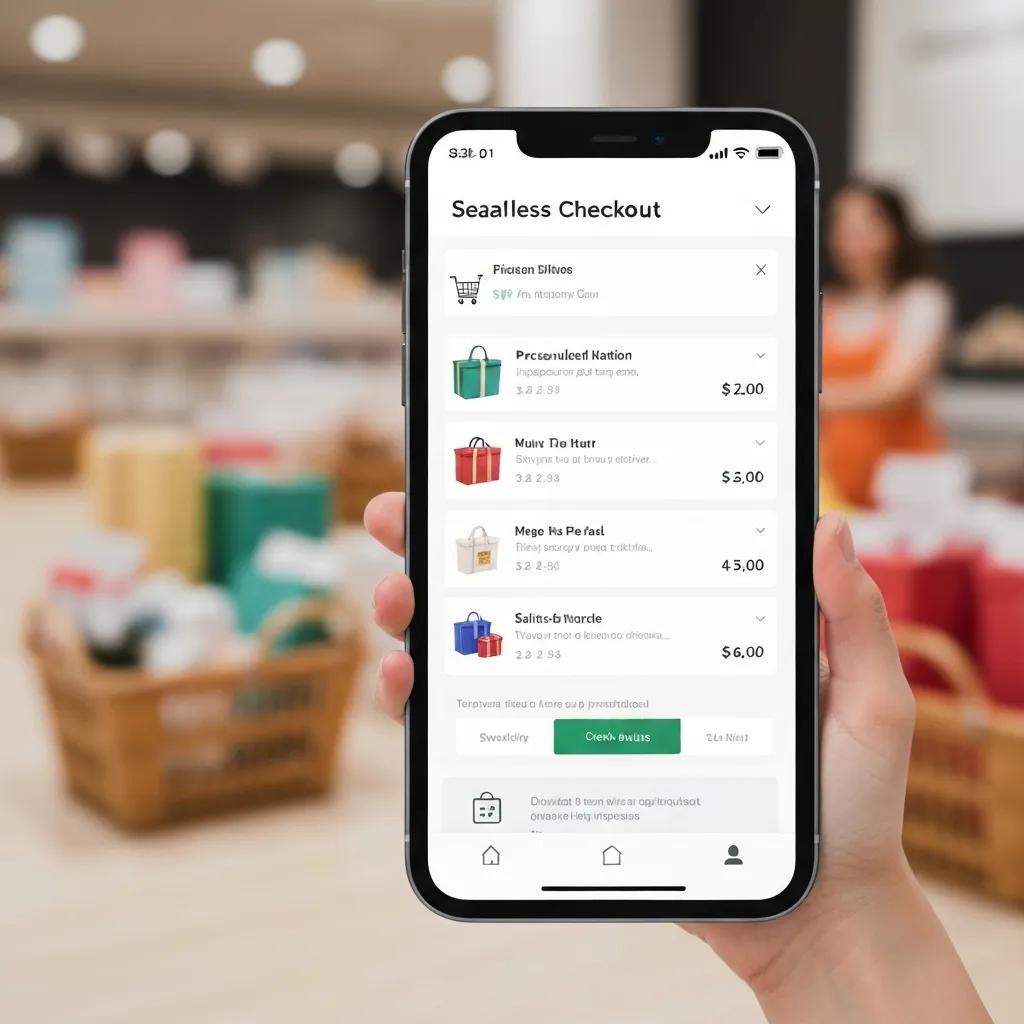
Custom checkout personalization combines Shopify Scripts, Checkout Extensibility, and private apps to adapt payment flows, upsell offers, and shipping logic in real time.
- Script-based Logic: Partners write Ruby scripts to apply volume discounts or bundle promotions at checkout.
- Checkout UI Extensions: Custom React components embed branded banners, loyalty prompts, or post-purchase surveys.
- Payment Gateway Integrations: Private apps connect with specialized processors or local payment methods.
These tailored experiences reduce friction and drive higher average order values, creating seamless purchase journeys that reflect brand identity.
What Are the Key Features of Shopify Plus Theme and UI/UX Customization?
Theme customization on Shopify Plus merges Liquid templates with custom CSS and JavaScript to craft unique storefronts that resonate with customers. Key capabilities include:
- Full-width layout customization and section-based editing
- Mobile-first responsive design for consistent experiences across devices
- Accessibility enhancements such as ARIA attributes and semantic HTML
- Interactive components like mega-menus, product quick-views, and dynamic filters
Tailored UI/UX not only reinforces brand equity but also guides shoppers through intuitive navigation and conversion-focused layouts.
How Do Partners Implement Headless Commerce Solutions on Shopify Plus?
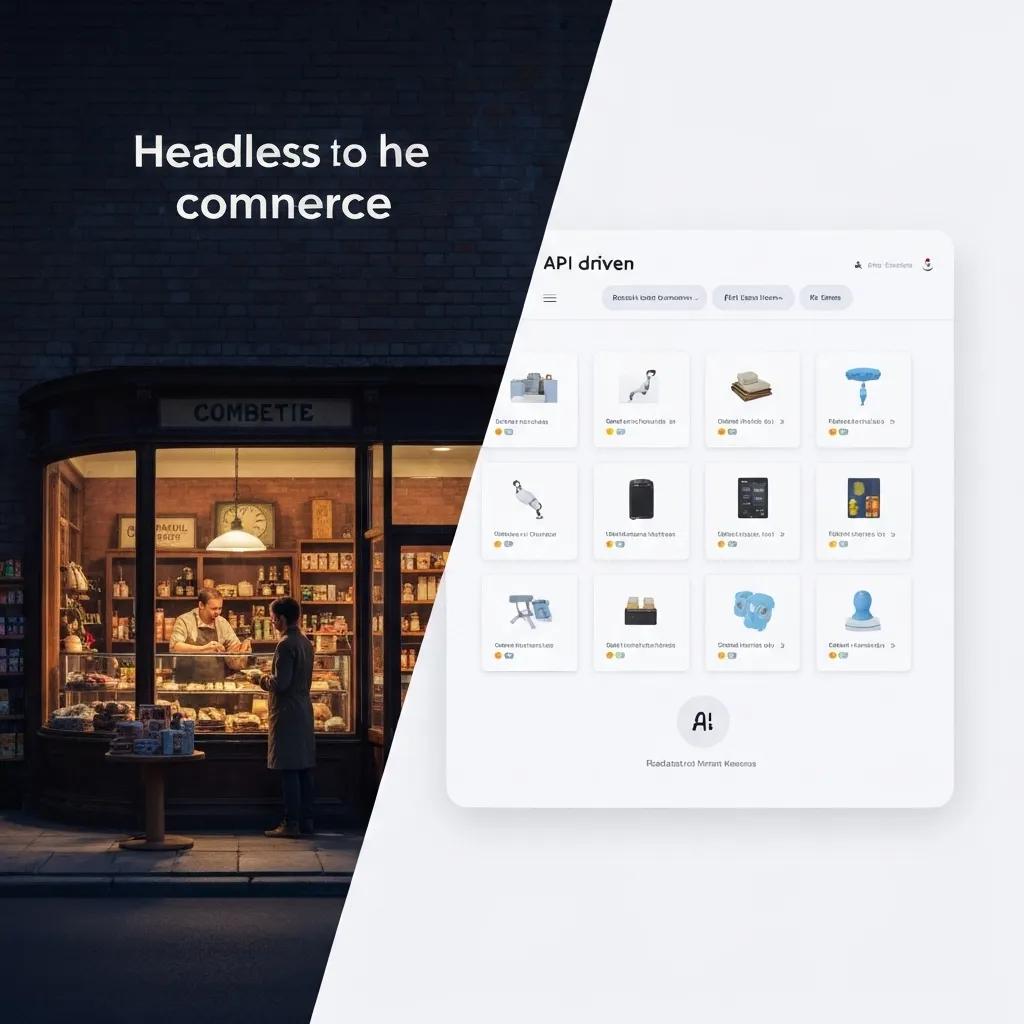
Headless commerce decouples the Shopify Plus backend from the frontend, enabling custom touchpoints on web, mobile, or IoT devices. Implementation typically follows three steps:
- API Integration Layer: Expose GraphQL and REST endpoints for product, customer, and checkout data.
- Frontend Framework Setup: Build a Hydrogen or React Next.js storefront to query Shopify data in real time.
- CDN and Edge Optimization: Deploy the frontend on global edge networks for sub-second page loads.
This separation grants developers freedom to innovate user interfaces while leveraging Shopify’s enterprise APIs and payment infrastructure.
What B2B Customizations Are Available for Shopify Plus Stores?
B2B features on Shopify Plus allow partners to create segmented catalogs, tiered pricing, and private storefronts tailored to wholesale clients. Common enhancements include:
- Custom price lists by customer group, volume, or region
- Private login portals with account-level permissions and order history
- Quote-to-order workflows enabling negotiation and approval processes
- Integration with ERP systems for real-time inventory and account balances
These B2B customizations streamline complex procurement cycles and foster long-term partnerships with business clients.
How Do Shopify Plus Partners Optimize Store Performance and Speed?
Performance optimization involves auditing code, fine-tuning assets, and leveraging platform best practices to deliver lightning-fast page loads. Core activities include:
- Liquid Code Refactoring: Minimize loops, consolidate sections, and defer non-critical scripts
- Asset Splitting and Lazy Loading: Serve only above-the-fold images and fonts on initial load
- HTTP/2 and Brotli Compression: Configure server settings to reduce payload sizes
Faster load times improve user engagement, enhance SEO rankings, and support high-traffic events like flash sales.
Need for Speed: The Impact of Website Performance on Online Retail
This working paper from Harvard Business School investigates the significant adverse effects of website speed slowdowns on online sales, particularly in the mobile channel. It highlights that decreases in website performance make customers less likely to place an order, undermining retailers’ efforts to convert traffic into sales.
This research directly supports the article’s emphasis on performance optimization techniques for faster load times and their impact on user engagement and SEO rankings.
What Advanced Integrations Do Shopify Plus Partners Offer?
Advanced integrations connect Shopify Plus with third-party systems to centralize data and automate workflows. Key integration categories include:
- ERP (e.g., NetSuite, SAP) synchronization for orders, inventory, and financials
- CRM (e.g., Salesforce, HubSpot) data flows to unify marketing and sales insights
- PIM (e.g., Salsify) for centralized product data management across channels
- Marketing automation (e.g., Klaviyo) for segmented email flows and behavioral triggers
- Custom API development to extend Shopify’s REST and GraphQL endpoints for unique business needs
These integrations create unified platforms, reduce manual work, and enable data-driven decision making.
How Is Security Enhanced Through Shopify Plus Customizations?
Custom security measures on Shopify Plus enforce data protection, regulatory compliance, and account integrity. Partners implement:
- Multi-factor Authentication (MFA) and Single Sign-On (SSO) for staff access
- End-to-end encryption of sensitive data and tokenization of payment information
- Custom logging and alert systems for suspicious activity monitoring
Robust security customizations guard customer data and ensure compliance with PCI DSS and GDPR standards.
Why Are Custom Checkout Solutions Critical for Shopify Plus Stores?
Custom checkout solutions define the final conversion step, where friction reduction, branding alignment, and logic flexibility translate directly into revenue gains. By adapting checkout flows, brands can tailor shipping options, introduce cross-sells, and enforce region-specific regulations while maintaining a consistent user experience that drives trust and completion.
How Does Checkout Customization Reduce Cart Abandonment?
Tailored checkout logic addresses common abandonment triggers by:
- Simplifying form fields based on customer profiles
- Displaying real-time shipping estimates and tax calculations
- Offering one-click payment methods and express shipping options
These targeted adjustments eliminate friction points and streamline purchases, leading to measurable decreases in abandonment rates.
E-Commerce Checkout Usability: An Original Research Study
Baymard Institute’s extensive research on e-commerce checkout usability reveals that a significant percentage of online shoppers abandon their carts due to poor checkout design and flow. Their studies indicate that optimizing the checkout process can lead to a substantial increase in conversion rates by addressing common user frustrations like unexpected costs, mandatory account creation, and lengthy forms.
This research directly supports the article’s claims about how custom checkout solutions are critical for reducing cart abandonment and driving higher average order values through personalization and friction reduction.
What Shopify Scripts and Extensions Enhance Checkout Logic?
Shopify Scripts enable dynamic pricing, promotions, and payment rules at a code level, while Checkout UI extensions introduce custom React components. Typical scripts and extensions include:
- Discount by quantity or bundle promotions
- Geo-based shipping offers or payment methods
- Upsell modules recommending premium products at checkout
Combining scripts with UI extensions delivers personalized and powerful checkout flows that optimize average order value.
Can Shopify Plus Partners Fully Brand and Personalize the Checkout UI?
Yes, partners can leverage Shopify’s Checkout Extensibility to inject custom HTML, CSS, and React elements into the checkout pages. This allows:
- Branded color schemes and typography
- Custom messaging for loyalty programs or VIP tiers
- Embedded product recommendations and post-purchase surveys
A fully branded checkout builds trust and reinforces brand consistency at the moment of purchase.
How Does Headless Commerce Elevate Shopify Plus Storefronts?
Headless commerce empowers brands to deliver differentiated user experiences across channels by separating the presentation layer from the backend. This approach offers unparalleled flexibility for experimentation, performance, and omnichannel personalization.
What Are the Benefits of Decoupled Architecture for Enterprise E-commerce?
A decoupled architecture grants:
- Flexibility to iterate frontend designs independently of backend updates
- Scalability to handle surges in traffic through edge deployments
- Faster time to market for campaigns by reusing API-driven components
These advantages translate into quicker innovation cycles and robust platform stability.
How Are Custom Storefronts Built Using Hydrogen and React?
Building a Hydrogen storefront involves:
- Defining storefront components in React and Tailwind CSS
- Fetching Shopify data via custom GraphQL queries
- Implementing server-side rendering and caching strategies
This modern stack achieves sub-200-millisecond page loads, enhancing user satisfaction and SEO performance.
How Is Headless Shopify Plus Integrated with Content Management Systems?
Partners connect headless frontends to CMS platforms (e.g., Contentful, Sanity) by:
- Synchronizing product data and editorial content through webhooks
- Embedding CMS-driven pages within the React router structure
- Utilizing preview APIs for collaborative editing and staging
This hybrid setup blends rich storytelling with enterprise checkout and catalog management.
What B2B Features and Wholesale Customizations Do Shopify Plus Partners Offer?
Enterprise wholesalers require tailored tools for pricing, catalogs, and workflow automation. Shopify Plus partners configure sophisticated B2B solutions to address these needs.
How Is Custom Pricing and Catalog Management Implemented for B2B?
Partners develop segmented catalogs and price lists by:
- Creating customer groups with unique product visibility
- Assigning tiered pricing models based on order volume or contract terms
- Automating catalog updates through ERP integration
This flexibility ensures accurate, real-time offerings for each wholesale account.
How Does Shopify Flow Streamline B2B Workflows?
Shopify Flow automates repetitive B2B processes by defining triggers, conditions, and actions. Common workflows include:
- Auto-approving large orders based on customer tags
- Generating purchase orders in connected ERP systems
- Alerting sales teams when VIP customers place orders
Automation reduces manual tasks and accelerates order-to-cash cycles.
What Are the Benefits of Creating Private B2B Storefronts?
Private storefronts offer exclusivity and data security by requiring login credentials. Advantages include:
- Hiding B2B products from public listings
- Displaying specialized catalogs and negotiated terms
- Restricting access to authorized wholesale partners
This controlled environment fosters trust and simplifies complex procurement processes.
Which Advanced Integrations Enhance Shopify Plus Store Capabilities?
Advanced integrations tie Shopify Plus into enterprise ecosystems, ensuring unified data and efficient operations.
How Are ERP, CRM, and PIM Systems Integrated with Shopify Plus?
Integration typically follows an API-first approach:
- ERP syncs orders, shipments, and inventory in real time
- CRM captures customer behavior, order history, and support tickets
- PIM centralizes product attributes, media, and localization
These integrations create a single source of truth, reducing errors and unlocking cross-system analytics.
What Are Effective Marketing Automation Integration Strategies?
Marketing automation platforms like Klaviyo connect via custom triggers and event streams to:
- Initiate personalized email flows based on browsing or purchase activity
- Sync customer segments for targeted campaigns
- Automate post-purchase feedback and re-engagement journeys
This seamless data exchange boosts retention and average order values over time.
How Is Custom API Development Used to Extend Shopify Plus Functionality?
Custom APIs address unique business requirements by exposing or extending endpoints for:
- Bulk order uploads or third-party marketplace sync
- Headless checkout sessions embedded in mobile apps
- Automated product bundling or subscription management
Tailored API solutions ensure Shopify Plus adapts exactly to enterprise workflows.
How Can Shopify Plus Partners Optimize Store Performance and Speed?
Performance optimization on Shopify Plus combines frontend best practices with backend efficiency to deliver exceptional page speeds and stability at scale.
What Liquid Code Techniques Improve Load Times?
Efficient Liquid coding reduces server render time by:
- Minimizing nested loops and conditional logic
- Caching common snippets with render caching
- Consolidating global variables to reduce file size
Cleaner templates speed up HTML generation and improve server responsiveness.
How Does Image and Asset Optimization Enhance Shopify Plus Stores?
Optimizing media assets involves:
- Serving WebP or AVIF formats with proper fallbacks
- Implementing lazy loading for off-screen images
- Using responsive srcset attributes for device-specific sizes
Smaller, well-served assets drastically cut load times and bandwidth consumption.
What Are Core Web Vitals and How Are They Improved for Enterprise Stores?
How Do Shopify Plus Partners Ensure Security and Compliance in Custom Solutions?
Enterprise retailers must uphold strict security and regulatory standards. Partners design custom controls that safeguard data, verify identities, and validate system integrity.
What Advanced Authentication Methods Are Implemented?
Multi-factor Authentication (MFA) and Single Sign-On (SSO) strengthen access control by requiring secondary verification through:
- Authenticator apps or SMS codes for staff logins
- OAuth2 integrations with corporate identity providers
These measures prevent unauthorized access and maintain audit trails for compliance.
How Is Data Protection and PCI DSS Compliance Maintained?
Custom solutions enforce encryption in transit and at rest, restrict API scopes, and ensure tokenization of payment data. Partners integrate with Shopify’s PCI-certified infrastructure and deploy data retention policies that adhere to GDPR and CCPA requirements, safeguarding both merchant and consumer information.
Why Is Penetration Testing Important for Shopify Plus Stores?
Regular penetration tests simulate real-world attacks to identify vulnerabilities in custom code, configurations, and third-party integrations. Addressing these security gaps proactively ensures platform resilience, protects customer trust, and fulfills insurance or regulatory mandates.
What Are the Typical Implementation Processes for Shopify Plus Customizations?
A structured implementation process ensures projects meet scope, timeline, and budget while delivering high-quality outcomes.
How Do Partners Assess and Plan Customization Needs?
In the discovery phase, partners conduct workshops to:
- Map business objectives and user journeys
- Audit existing code, apps, and platform limitations
- Define technical requirements, deliverables, and success metrics
This planning ensures clear alignment between merchant goals and development scope.
What Are the Key Steps in Development and Testing?
Development follows agile sprints, including:
- Code implementation and version control via Git
- Automated unit and integration testing for reliability
- User acceptance testing (UAT) in a Shopify Plus sandbox environment
Testing at each stage catches issues early and confirms feature readiness.
How Is Deployment and Ongoing Support Managed?
Deployment leverages CI/CD pipelines to push changes to production with zero downtime. Post-launch, partners provide:
- Monitoring dashboards for performance and error tracking
- Scheduled code reviews and platform updates
- Dedicated support for incident resolution and feature enhancements
Continuous collaboration ensures your storefront evolves safely as business needs grow.
What Frequently Asked Questions Do Store Owners Have About Shopify Plus Customizations?
Many merchants weigh the value of customization against cost and complexity. They often seek clarity on partner roles, flexibility, and differences between Plus and standard plans.
What Is a Shopify Plus Partner and Why Hire One?
A Shopify Plus Partner is a certified agency with deep expertise in enterprise development, integrations, and scalability. Hiring a partner ensures access to proven methodologies, platform best practices, and optimized workflows that minimize risk and accelerate time to market.
Can Shopify Plus Checkout Be Fully Customized?
Shopify Plus unlocks checkout extensibility, allowing full control over logic and UI using Shopify Scripts, Checkout UI extensions, and private apps. This level of flexibility is unavailable on standard plans and drives higher conversion and brand cohesion.
How Does Shopify Plus Differ from Regular Shopify?
Unlike standard Shopify plans, Shopify Plus offers advanced API throughput, dedicated support, multi-storefront capabilities, Script Editor, and greater checkout customization. These features support high-volume merchants and complex enterprise requirements.
What Are the Benefits of Headless Commerce on Shopify Plus?
Headless commerce on Shopify Plus delivers faster page loads, richer cross-channel experiences, and the ability to test and iterate frontends independently. This architecture empowers brands to innovate while relying on Shopify’s secure backend and payment infrastructure.
How Do Shopify Plus B2B Features Improve Wholesale Operations?
Shopify Plus B2B features enable segmented catalogs, custom pricing, and private portals, streamlining bulk orders and negotiations. Automated workflows with Shopify Flow and ERP integrations reduce manual tasks and accelerate order processing for wholesale partners.
Unlock the full power of Shopify Plus by partnering with experienced specialists who craft custom solutions aligned to your unique business goals. Whether enhancing checkout, building headless storefronts, or integrating enterprise systems, the right partner transforms your online store into a high-performance, secure, and scalable e-commerce engine. Contact a certified Shopify Plus expert today to begin your customization journey.

