

Blog updated with the most recent Shopify and eCommerce strategies on 05/02/2026.
Unlock Affordable Shopify Plus Pricing: Your Guide to Smart Cost Management
Think Shopify Plus is out of reach? Think again. While it’s an enterprise-grade solution, understanding its pricing structure and smart optimization can make it surprisingly affordable. This guide dives deep into transparent pricing models, what drives costs, the value-packed features you get, how it stacks up against competitors, savvy ways to implement it without breaking the bank, potential hidden costs, and how our Shopify Plus pros at Blackbelt Commerce help you get the most bang for your buck. We’ll start by breaking down the core subscription plans, then explore what influences your costs, the benefits that justify the investment, platform comparisons, affordability tactics, and pitfalls to avoid, all leading to a clear path for leveraging Shopify Plus without overspending.
What Are the Core Shopify Plus Pricing Models and Plans?
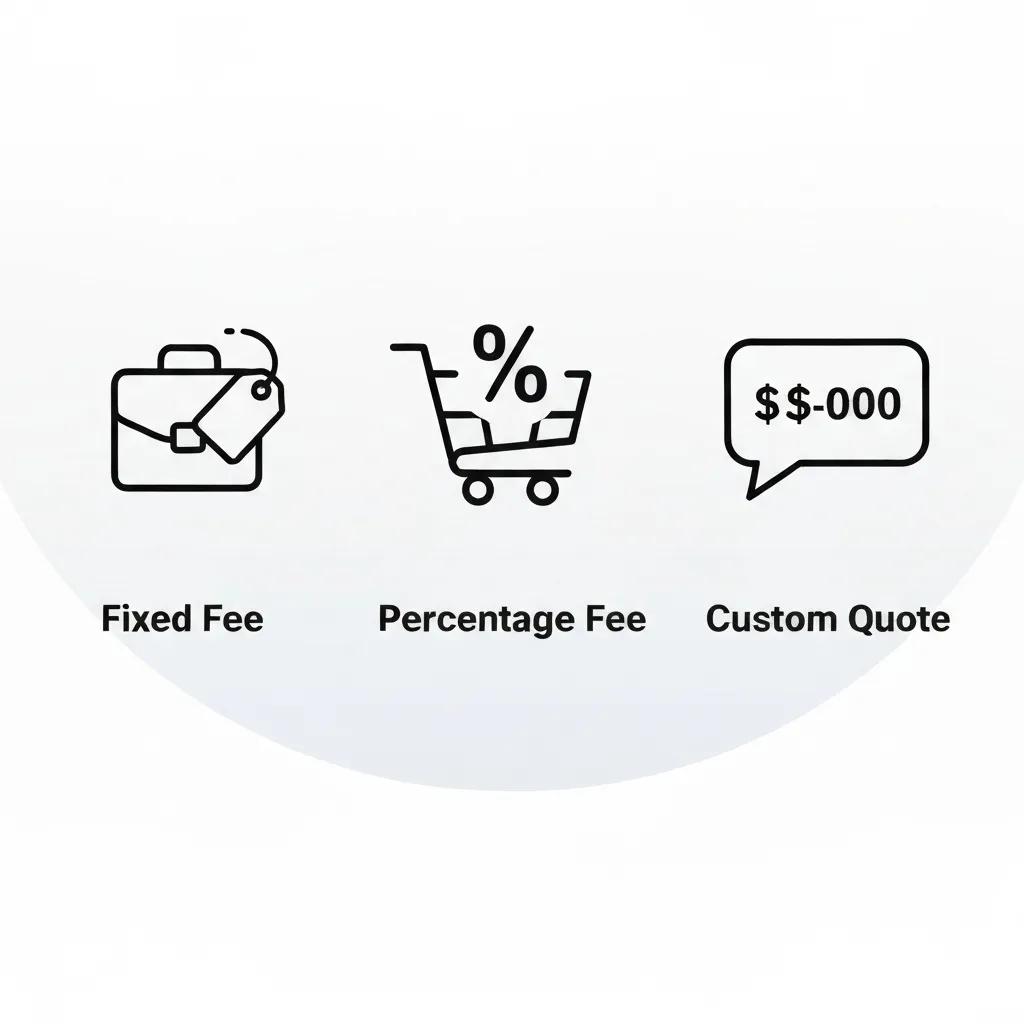
Shopify Plus pricing is built on three main pillars: standard subscription fees, sales-based tiers, and custom enterprise agreements. Each is designed to match the platform’s power with your business’s size and sales volume, striking a balance between predictable base costs and flexible rates that let growing businesses access advanced tools while keeping a close eye on their budget.
Here’s a quick look at each pricing approach and where it typically starts:
Factual table note: Shopify Plus pricing changes by contract term, region, and business model. Use official Shopify pricing as the source of truth.
This breakdown shows how your base fees interact with your sales performance and any negotiated terms to determine your total investment. Grasping these models is your first step to finding the most budget-friendly Shopify Plus option and unlocking deeper cost-saving strategies.
Shopify Plus Pricing: Key Models and Cost Factors
Typically, Shopify Plus comes with a base monthly subscription starting around $2,500, though this can vary based on your contract terms. Once your Gross Merchandise Volume (GMV) surpasses a certain point, like $800,000 monthly, a revenue-based fee of about 0.25% of sales might kick in, often capped at $40,000 per month.
This information directly supports our explanation of Shopify Plus’s core pricing structures, including the base subscription and revenue-based tiers, along with their common cost ranges.
How Does Shopify Plus Base Subscription Pricing Work?
The base subscription model involves a fixed monthly charge that grants you access to Shopify Plus’s core enterprise-level features and dedicated support.
- Fixed Cost: This fee covers your Shopify Plus platform license.
- Included Power: You get access to tools like Launchpad, the Wholesale Channel, and higher API limits.
- Budget Certainty: This allows for precise monthly financial planning without worrying about fluctuating transaction costs.
Securing predictable costs with the base subscription makes financial planning straightforward and ensures your team can leverage enterprise-grade capabilities.
What Is Revenue-Based Pricing for Shopify Plus?
Revenue-based pricing applies a small percentage fee to your GMV, directly linking platform costs to your actual sales performance. This model is ideal for businesses that prefer their expenses to fluctuate with their sales rather than paying a flat rate.
- GMV Tiers: Fees generally fall between 0.15% and 0.25% of your monthly GMV.
- Dynamic Cost Adjustment: Your costs will naturally increase with sales surges and decrease during slower periods.
- Growth Alignment: This structure encourages reinvesting in marketing and operations when your profit margins allow.
By sharing the platform’s risk with Shopify, merchants experiencing variable sales volumes can manage their cash flow more effectively, paying more only when their revenue reaches higher tiers.
How Are Custom Shopify Plus Enterprise Pricing Quotes Negotiated?
Custom pricing quotes are tailored to your specific business needs, anticipated GMV, and desired service levels, creating a personalized investment plan. The negotiation process typically involves:
- Volume Assessment: Your projected annual GMV sets the baseline for negotiation.
- Feature Needs: Specific add-ons, like advanced fraud protection or headless commerce capabilities, will influence the final price.
- Support Packages: Dedicated account management, service-level agreements, and premium support options adjust the overall cost.
Flexible negotiation empowers enterprise teams to precisely align Shopify Plus costs with their operational ambitions and long-term growth strategies.
What Are the Differences Between Shopify Plus and Shopify Advanced Pricing?
Shopify Advanced is a powerful mid-tier option, while Shopify Plus offers enterprise-level scalability, customization, and support. Here’s a breakdown of the key distinctions:
Factual table note: Payment fees vary by country, card type, and gateway. Confirm current fees with Shopify or the merchant’s payment provider before making a financial decision.
The advanced features and enhanced support levels justify the higher investment for businesses that require complete platform control, robust assistance, and superior performance at scale.
Which Key Factors Influence Your Total Shopify Plus Cost?
Your final investment in Shopify Plus goes beyond just the subscription models. Several crucial elements combine to shape your overall expenses, ensuring that each merchant’s cost profile is unique.
Here’s an overview of the main cost drivers:
- Gross Merchandise Volume (GMV): This impacts tiered fees on revenue-based plans and influences your negotiation leverage.
- Apps and Integrations: Third-party extensions often come with monthly or per-transaction fees.
- Custom Development and Design: Bespoke themes, headless setups, and API integrations require dedicated development budgets.
- Ongoing Support and Maintenance: Premium support packages, performance tuning, and updates add recurring costs.
How Does Gross Merchandise Volume (GMV) Impact Shopify Plus Pricing?
Your Gross Merchandise Volume directly affects revenue-based pricing tiers and negotiation benchmarks. Higher GMV volumes often lead to lower percentage rates and stronger bargaining power during enterprise contract discussions. Effectively managing your GMV as your sales grow can result in cost reductions and increased leverage for securing additional features.
What Are the Costs of Shopify Plus Apps and Integrations?
Enterprise operations frequently depend on specialized apps—like advanced analytics, customer segmentation tools, and ERP connectors—to expand platform capabilities. Key cost considerations include:
- One-Time Setup Fees: Initial expenses for integration and configuration.
- Monthly Subscription Fees: Recurring app charges that can range from $10 to over $500 per month.
- Custom Connector Development: Unique API bridges require developer hours, billed at agency or in-house rates.
A strategic review of essential apps versus built-in Shopify Plus features can significantly cut these additional expenses.
How Do Custom Development and Design Affect Shopify Plus Costs?
Creating unique storefronts, implementing headless commerce, and designing custom checkout experiences demand specialized development resources. Costs are driven by complexity, including:
- Theme Customization Hours: Advanced work on Liquid templates to perfectly match your brand’s look and feel.
- API Integration Complexity: Synchronizing data with systems like PIMs, ERPs, or CRMs.
- Quality Assurance and Testing: Ensuring everything functions flawlessly, securely, and compliantly.
Allocating focused budgets for critical custom initiatives guarantees your investment directly supports features that drive revenue.
What Are Ongoing Support and Maintenance Costs for Shopify Plus?
Keeping your platform running at peak performance involves structured support packages, such as:
- Merchant Success Management: A dedicated point person to guide optimization and future planning.
- Technical Maintenance: Regular code reviews, security updates, and performance tuning.
- Feature Updates: Continuous enhancements to your storefront experience, aligned with Shopify’s roadmap.
Investing in ongoing support provides peace of mind and maintains uptime, preventing unexpected performance issues.
How Can You Maximize Shopify Plus Value and ROI Beyond Pricing?

Investing in Shopify Plus offers more than just enterprise hosting; it unlocks advanced features and efficiencies that significantly boost your return on investment. By leveraging its scalability, automation capabilities, and international reach, merchants can get the absolute most out of their platform spend.
What Scalability Benefits Does Shopify Plus Offer for Growing Businesses?
Shopify Plus scales effortlessly as your traffic, order volume, and global reach expand:
- Infrastructure Elasticity: Guarantees zero downtime, even during your busiest sales periods.
- Advanced API Limits: Supports extensive app ecosystems and high transaction volumes.
- Unlimited User Roles: Enables complex team structures and granular permission settings.
This scalable infrastructure is the bedrock of sustainable growth, effortlessly handling business spikes without the headache of managing servers.
How Does Shopify Flow Automation Reduce Operational Costs?
Shopify Flow empowers you to automate repetitive tasks—like loyalty program enrollment, fraud detection, and inventory alerts—streamlining your operations and cutting down on manual work:
- Trigger-Action Workflows: Can eliminate up to 30% of manual order and customer management tasks.
- Conditional Logic: Applies consistent rules across all your apps and channels.
- Visual Workflow Builder: Reduces the need for developer intervention when refining processes.
The savings from automation compound over time, lowering the need for extensive operational staff while speeding up response times.
What Are the International E-commerce Capabilities of Shopify Plus?
Features designed for cross-border commerce significantly enhance your global sales efficiency:
- Multi-Currency Checkout: And price rounding options improve the customer experience.
- Localized Domains and Translations: Maintain brand consistency across different markets.
- Duty and Tax Calculations: Integrate smoothly with global compliance services.
Being ready for international markets drives incremental revenue and offsets initial localization costs by opening up new customer bases.
How Do Case Studies Demonstrate Shopify Plus Cost-Effectiveness?
Real-world examples highlight measurable savings:
- A fashion retailer slashed manual order processing by 40% using Flow automation.
- A B2B wholesaler reduced integration expenses by 30% by utilizing the built-in Wholesale Channel.
- A global DTC brand launched in five new regions in under six months with localized storefronts.
These success stories prove that strategically using Shopify Plus features delivers substantial returns on your platform investment.
How Does Shopify Plus Pricing Compare to Other Enterprise E-commerce Platforms?
When you compare Shopify Plus to other options, you’ll see differences in cost structures, total cost of ownership, and the value of features. This comparison helps you make an informed decision about affordability and long-term ROI.
Factual table note: Payment fees vary by country, card type, and gateway. Confirm current fees with Shopify or the merchant’s payment provider before making a financial decision.
What Are the Pricing Differences Between Shopify Plus and Magento Enterprise?
Magento Enterprise involves licensing fees plus the costs of hosting and developer maintenance, leading to a higher overall cost of ownership. Shopify Plus bundles hosting, updates, and support into a single managed fee, reducing variable technical expenses.
How Does Shopify Plus Pricing Stack Up Against BigCommerce Enterprise?
While BigCommerce Enterprise offers competitive base pricing, it doesn’t provide the same depth of checkout customization and has stricter API rate limits. Shopify Plus’s higher API limits and checkout control offer greater long-term flexibility at comparable or even lower combined operational costs.
What Makes Shopify Plus More Affordable Than Other Enterprise Solutions?
The total cost of ownership for Shopify Plus often comes in lower than alternatives because it eliminates the need for self-managed hosting, security patching, and infrastructure scaling. The managed SaaS model shifts these overheads to Shopify’s global platform, allowing merchants to concentrate on merchandising and growth rather than technical upkeep.
What Strategies Can Help You Implement Shopify Plus Affordably?
Smart implementation tactics ensure you get the most value from Shopify Plus while minimizing unnecessary spending. Focused planning and choosing the right partners are key to cost efficiency.
How Can Partnering with a Shopify Plus Agency Reduce Your Costs?
- Precise Scoping: Ensures you only pay for the features you truly need.
- Rapid Deployment: Cuts down on billable development hours.
- Optimization Best Practices: Leverages existing platform capabilities before investing in custom builds.
Expert guidance from certified partners like Blackbelt Commerce streamlines budgets and speeds up your time to market.
What Are Effective Ways to Optimize Shopify Plus App Usage?
- App Audit: Eliminates redundant or underused extensions.
- Leverage Native Features: Uses built-in functionalities instead of paid apps.
- Bundled Integrations: Opts for multi-feature tools over single-purpose add-ons.
Consolidating your app spending improves ROI without sacrificing functionality.
How Does Phased Development Lower Shopify Plus Implementation Expenses?
- Core Launch: Focuses on essential storefront and checkout experiences first.
- Feature Phases: Gradually adds automation, internationalization, and loyalty modules.
- Continuous Optimization: Iteratively improves based on real-world data.
Phased approaches align your budget with revenue growth, reducing the initial financial burden.
What Are Cost-Effective Shopify Plus Migration Strategies?
- Data Mapping: Identifies only the critical data entities for transfer.
- Automated Migration Tools: Speed up the import of products, customers, and orders.
- Parallel Testing: Ensures all features work as expected before the final switch.
Efficient migration minimizes downtime and consultant fees while preserving the integrity of your historical data.
What Hidden Costs Should You Watch for with Shopify Plus Pricing?
While the transparent platform fees cover core capabilities, certain additional expenses can catch merchants by surprise. Recognizing these costs upfront helps prevent budget overruns.
What Are Common Hidden Fees in Shopify Plus Pricing?
- Premium Themes: Especially those requiring extensive customization.
- Third-Party App Overages: When usage exceeds plan limits.
- Transaction Fees: Associated with certain payment providers.
- Custom Development Extras: For highly specific functionalities.
Proactive reviews of your themes, apps, and integrations can uncover these charges before they impact your bottom line.
How Can You Avoid Unexpected Shopify Plus Transaction Fees?
- Use Shopify Payments: It offers the lowest internal transaction rates.
- Negotiate Rates: High-volume merchants can often secure reduced percentage fees.
- Consider Alternative Gateways: Be aware they might add extra fixed fees per transaction.
Aligning your payment providers with your sales profile helps control variable costs and maintain lower per-order expenses.
What Third-Party Service Costs Are Associated with Shopify Plus?
- Custom Support Retainers: For ongoing post-launch enhancements.
- Premium Integrations: Connecting to ERP, PIM, or specialized marketing systems.
- Data Insights Tools: For advanced analytics and A/B testing.
Budgeting for these services ensures smooth operations and continuous improvement.
How Does Blackbelt Commerce Help Manage and Minimize Hidden Costs?
- Platform Audit: To eliminate redundant apps and features.
- Feature Prioritization: Focusing on high-impact customizations over less critical apps.
- Ongoing Support Bundles: Consolidating maintenance tasks at predictable rates.
Our transparent approach ensures all potential expenses are clear from the start and aligned with your growth objectives.
What Are the Most Frequently Asked Questions About Shopify Plus Pricing?
Merchants considering Shopify Plus often seek clarity on key cost concerns before committing to an enterprise plan. Addressing these common questions helps accelerate your decision-making process.
The main inquiries typically center on monthly fees, justifying the investment for large businesses, finding the most budget-friendly plan options, the negotiation process, and how pricing scales with growth.
How Much Does Shopify Plus Cost Per Month?
Shopify Plus generally starts at $2,500 per month for the base subscription. Additional revenue-based fees or negotiated discounts may apply depending on your GMV and specific feature requirements.
Is Shopify Plus Worth the Investment for Large Businesses?
Large enterprises find Shopify Plus a worthwhile investment due to its enhanced uptime, dedicated support, checkout customization capabilities, and powerful automation features. These elements collectively drive efficiency gains and unlock revenue opportunities that significantly outweigh the platform’s costs.
What Is the Cheapest Shopify Plus Plan Available?
The most cost-effective entry point for Shopify Plus is the base subscription at $2,500 per month, provided you don’t opt for revenue-based pricing or premium support tiers.
How Is Shopify Plus Pricing Negotiated for Enterprise Clients?
Enterprise negotiations involve leveraging projected annual GMV, required feature sets, and service-level demands to adjust base fees, lower percentage rates, and include additional support under favorable terms.
How Do Shopify Plus Pricing Tiers Adjust with Business Growth?
As your GMV increases or your custom requirements evolve, you can transition between revenue-based tiers or renegotiate your enterprise contract. This ensures your pricing remains aligned with your current performance and future growth aspirations.
How Does Blackbelt Commerce Optimize Your Shopify Plus Pricing and Investment?
Blackbelt Commerce excels at fine-tuning Shopify Plus implementations to balance cost efficiency with top-tier platform performance. Our expert team uses deep platform knowledge and proven strategies to maximize the value of every dollar you invest.
What Shopify Plus Cost Optimization Services Does Blackbelt Commerce Offer?
- Comprehensive Cost Audits: Identifying redundant fees and streamlining platform usage.
- Feature Rationalization Workshops: Prioritizing high-ROI customizations over low-impact apps.
- Negotiation Support: Securing favorable enterprise terms and caps on revenue-based rates.
How Does Blackbelt Commerce Tailor Solutions to Your Budget and Growth Goals?
We start by mapping your current and projected GMV, operational workflows, and feature priorities to create phased implementation roadmaps. By aligning functionality rollouts with your revenue trajectory, we effectively manage spending and maximize the return on each development phase.
Why Choose Blackbelt Commerce as Your Shopify Plus Partner?
- Certified Expertise: In platform integrations, API extensions, and headless architectures.
- Transparent Pricing: With fixed-rate support bundles that eliminate billing surprises.
- Proven Track Record: Boosting merchant efficiency and revenue through strategic automation.
How Can You Get a Consultation to Understand Your Shopify Plus Pricing Options?
Connect with Blackbelt Commerce’s Shopify Plus specialists for a personalized pricing session. We’ll review your unique needs, outline the most affordable plan for your sales volume, and propose optimization strategies to ensure you get maximum value from the platform.
A clear understanding of Shopify Plus pricing models and cost drivers empowers you to choose the plan that fits your budget and growth path. By focusing on value-packed features like automation, scalability, and global readiness, you can significantly boost your ROI. Strategic implementation—including phased development, app audits, and revenue-based negotiations—along with partnering with experts like Blackbelt Commerce, ensures transparency, efficiency, and sustainable platform performance. Take the next step toward an optimized Shopify Plus setup by scheduling a consultation and unlocking affordable, enterprise-grade e-commerce success.
Quick Answer: shopify plus pricing
Shopify Plus Pricing should help merchants make a clearer decision about their store, customer experience, and growth priorities. A useful guide explains the concept, shows when it matters, and gives the reader a practical next step without forcing the topic into a generic template.
Key Takeaways
- Start with the search intent behind shopify plus pricing: the reader needs a clear explanation before they are ready for a service conversation.
- Keep the advice practical and specific so the post feels editorial, useful, and worth sharing.
- Use the topic cluster links to connect the article to related BBC expertise instead of leaving it as a standalone blog post.
- Add a natural commercial bridge only after the article has answered the reader’s main question.
- Use the same-page Calendly CTA so qualified readers can book a strategy call without being sent to a long form.
How this connects to your Shopify growth strategy
This article should remain useful for readers researching shopify plus pricing, but it also needs to show when the topic becomes a business decision. For the Shopify Plus Pricing and Strategy cluster, the commercial bridge is practical: once the reader understands the concept, the next step is deciding whether their current Shopify setup can support the desired experience, conversion path, and operational workflow. That is where expert planning, design, development, CRO, and SEO support can turn the idea into measurable store improvements.
Related Shopify resources
These internal resources support the Shopify Plus Pricing and Strategy topic cluster and help connect this guide to stronger commercial next steps:
- Shopify Plus Pricing and Strategy
- Shopify experts
- Shopify Plus agencies
- Shopify Plus Pricing and Strategy — Parent service page for the reader’s next commercial step
- Blackbelt Commerce — Home-page authority link for brand and core Shopify expertise
- Shopify experts — Money-page link requested for expert-hiring intent
- Shopify custom development — Development service page for implementation and technical help
- Shopify CRO — Conversion service page for readers focused on revenue and lead generation
- Cost of Shopify website — Related pricing article that helps readers compare platform, build, and expert investment decisions
- Shopify Plus checkout customization — Related Shopify Plus implementation guide for readers evaluating advanced Plus costs and capabilities
Questions store owners ask before taking action
What does shopify plus pricing mean for a Shopify merchant?
For a Shopify merchant, shopify plus pricing is about choosing or improving the store experience in a way that supports traffic, trust, conversion, and long-term operations.
When should a store owner get expert help?
Expert help becomes useful when the decision affects SEO, conversion, theme architecture, integrations, migration risk, or revenue-critical customer journeys.
How should this topic connect to a broader content cluster?
The post should link to a parent service page, related support articles, and money pages so Google and AI systems understand how the article supports a broader area of expertise.
What is the lead-generation goal of this article?
The article should educate first, then guide qualified readers toward booking a strategy call when they need help applying the advice to their own store.
What should be avoided during optimization?
Avoid filler, unrelated phrases, invented statistics, broken formatting, duplicated CTAs, and any edit that makes the article feel less helpful or less polished.
Future articles needed for topical dominance
To build deeper topical authority around this cluster, these supporting topics should be created later and linked back into this article:
- Shopify Plus Pricing Budget Checklist for Shopify Merchants: Creates a practical support article that turns the Shopify Plus Pricing and Strategy topic into an actionable planning worksheet without relying on stale price claims.
- Hidden Cost Drivers Behind Shopify Plus Pricing: Captures cost-aware searches and explains apps, design, content, SEO, integrations, QA, and rework risks without hard selling.
- When to Hire Shopify Experts for Shopify Plus Pricing: Connects pricing research to the expert-hiring money page while preserving educational intent and lead-generation flow.

