

Unlock Peak Performance: Expert Shopify Plus Customization Strategies for Enterprise E-commerce
Achieving a 40% surge in checkout throughput and a 30% reduction in abandonment often hinges on deep Shopify Plus customization. This guide delivers actionable shopify plus optimization strategies, pinpointing performance bottlenecks and detailing tailored solutions from site speed enhancements to checkout extensibility. You’ll uncover:
- The core principles and essential features that power Shopify Plus customization
- Checkout extensibility methods designed to slash cart abandonment and elevate AOV
- Proven workflows for headless commerce, Flow automation, API integrations, SEO, and CRO
- Real-world success stories and a strategic roadmap for sustained growth
Whether you’re managing a high-volume enterprise or scaling an SMB, these insights provide the strategic framework to transform Shopify Plus into a conversion powerhouse.
What Exactly Is Shopify Plus Customization and Why Is It Crucial for Peak Performance?
Shopify Plus customization involves fine-tuning the enterprise-grade platform through code, APIs, and built-in features to meet distinct brand, performance, and scalability demands. By leveraging Scripts, Flow, and API integrations, merchants can align storefront behavior with customer expectations and stringent technical SLAs. For instance, a custom API-driven inventory sync effectively prevents overselling during peak traffic periods.
Key advantages of in-depth customization include:
- Enhanced page load speeds through selective asset delivery
- Dynamic checkout rules that adapt to real-time customer data
- Scalable architectures, such as headless frontends, for rapid feature deployment
Aligning platform capabilities with your business objectives transforms Shopify Plus from a standard engine into a high-performance storefront capable of sustaining growth under heavy traffic loads.
How Does Customization Elevate Shopify Plus Store Efficiency and Scalability?
Customization optimizes resource utilization by loading only essential code, minimizing JavaScript payloads, and employing CDN edge caching for critical assets. Tailoring workflows with Shopify Flow automates repetitive tasks, freeing up valuable developer and merchant time. These efficiencies scale seamlessly with traffic: a lean theme and streamlined backend logic ensure load times remain under 2 seconds, even during traffic spikes, thereby preserving conversion velocity.
What Are the Core Shopify Plus Features That Facilitate Customization?
These features work in concert to deliver a platform where brand identity, performance, and conversion objectives align perfectly, empowering enterprise-level flexibility.
How Does Blackbelt Commerce Deliver Bespoke, Conversion-Focused Shopify Plus Solutions?
Blackbelt Commerce brings 15 years of dedicated Shopify expertise and a portfolio of over 1,000 custom projects to architect solutions that significantly boost KPIs. Their methodology integrates:
- Discovery & Audit – In-depth analysis of analytics, UX, and technical infrastructure
- Custom Theme Engineering – Crafting modular, performance-optimized Liquid templates
- Flow & API Automation – Implementing sophisticated workflows for orders, inventory, and personalization
- Continuous Optimization – Strategic A/B testing, speed audits, and iterative enhancements
This comprehensive approach ensures your Shopify Plus store not only meets enterprise demands but consistently evolves to surpass performance benchmarks.
How Can Shopify Plus Checkout Extensibility Dramatically Reduce Cart Abandonment and Boost Conversions?

Shopify Plus Checkout Extensibility allows for the seamless integration of custom UI components and business logic directly into the checkout flow, fostering greater trust and minimizing friction. By replacing generic checkout screens with tailored experiences—such as loyalty-driven upsells or region-specific payment options—merchants frequently report up to a 30% decrease in abandons and a 20% uplift in AOV. (ecomexperts.io)
What Are the Advantages of Personalized Checkout Experiences on Shopify Plus?
Personalized checkout experiences build confidence, authentically reflect brand identity, and simplify the decision-making process. Custom fields, dynamic messaging, and tailored promotions enhance perceived value and streamline completion. This synergy between marketing efforts and the purchase journey drives both conversion velocity and repeat customer revenue.
How Do You Implement Advanced Shopify Plus Checkout Customizations?
To implement checkout extensibility:
- Configure Checkout UI Extensions within the Shopify Partner Dashboard.
- Develop React components capable of fetching contextual customer data.
- Utilize the Function API to enforce custom logic, such as minimum purchase requirements.
- Deploy using the Shopify CLI and rigorously test across various device breakpoints.
This methodical approach ensures cohesive integration and upholds performance SLAs, even during high-traffic events.
What Role Do Shopify Scripts Play in Enabling Dynamic Pricing and Discounts at Checkout?
Shopify Scripts execute on the Shopify Plus backend to apply custom pricing rules in real time. They are designed to:
- Analyze cart attributes (items, customer tags)
- Initiate tiered discounts, BOGO offers, or dynamic shipping rates
- Complete execution within 50 ms to maintain rapid checkout responsiveness
Scripts effectively complement Functions by managing complex promotional logic prior to final order confirmation.
How Does Checkout Extensibility Integrate with Shopify Pay and Other Payment Gateways?
Checkout extensibility integrates flawlessly with Shopify Pay and third-party gateways through the unified checkout architecture. Custom UI Extensions can prompt users to utilize Shop Pay digital wallets or display gateway-specific promotional messages, all while preserving secure token flows and ensuring PCI compliance, thereby enhancing the overall user experience.
What Are the Premier Strategies for Optimizing Shopify Plus Site Speed and Performance?
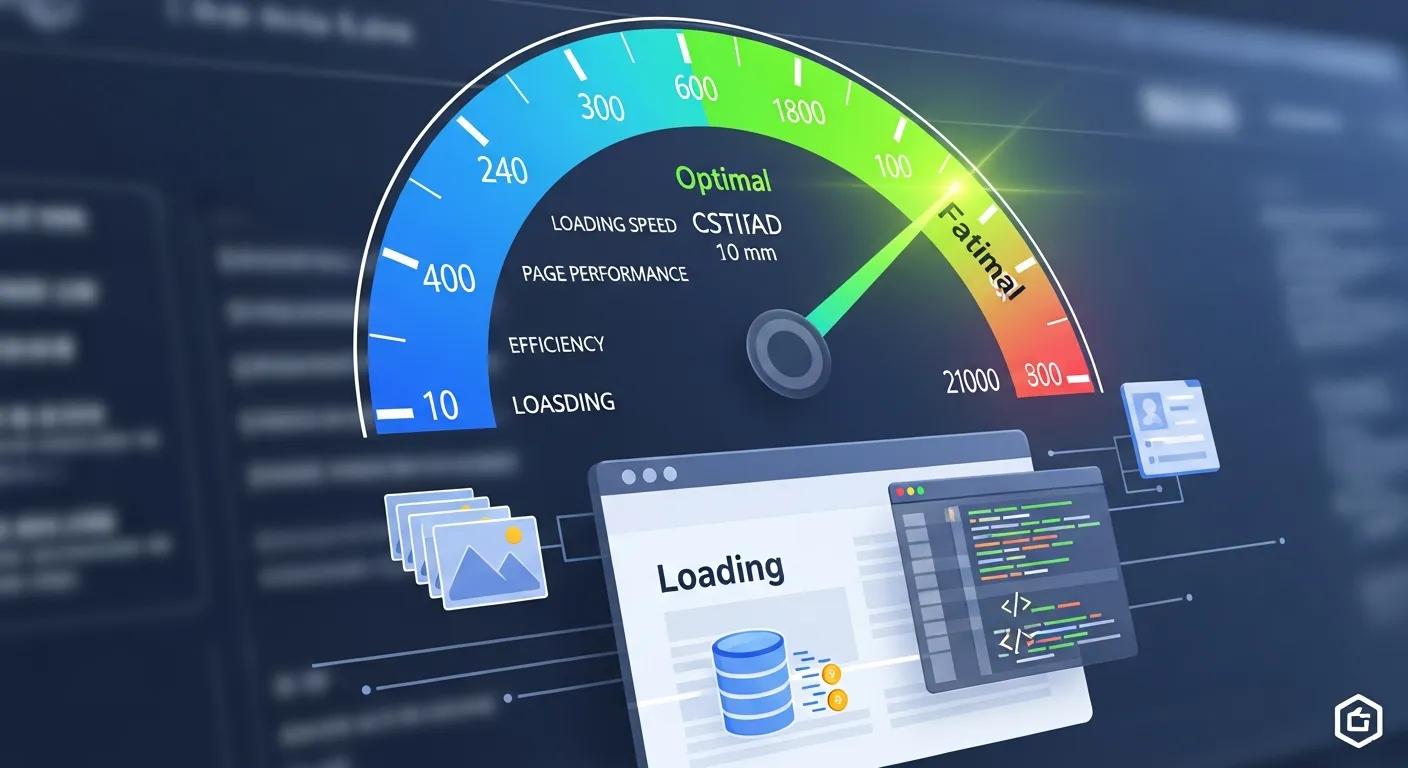
Achieving page load times under 2 seconds necessitates a comprehensive strategy: optimized asset delivery, server-side rendering via headless architectures, and continuous performance monitoring. By integrating these tactics, businesses guarantee swift, dependable experiences that boost SEO rankings and customer satisfaction. (shopify.com)
How Does Headless Commerce Elevate Shopify Plus Store Speed and Agility?
Headless commerce separates the frontend presentation layer from Shopify’s backend using the Storefront API. This architectural approach:
- Pre-renders pages on edge servers for exceptionally low latency
- Enables the creation of custom Progressive Web App experiences
- Allows for the selective hydration of JavaScript modules
By eliminating the Liquid rendering overhead on every request, headless configurations deliver consistent, high-level performance at enterprise scale.
What Techniques Optimize Images and Assets for Faster Shopify Plus Load Times?
Efficient asset management centers on:
- Responsive image srcsets for adaptive sizing across devices
- WebP format for superior compression without compromising quality
- Lazy loading of above-the-fold resources to prioritize critical content display
- Inlining minimal CSS to accelerate the initial paint
These measures significantly reduce page weight, directly improving Core Web Vitals and search engine visibility.
How Do You Conduct a Shopify Plus Performance Audit for Ongoing Improvement?
- Real-User Monitoring (RUM) to capture authentic user experiences
- Lab Testing using Lighthouse and WebPageTest for synthetic metrics
- Asset Breakdown Analysis to identify heavy scripts or underutilized CSS
- Iteration Sprints to address high-impact issues on a quarterly basis
Regular audits are essential for maintaining performance gains and uncovering new optimization opportunities.
How Does Shopify Flow Automation Streamline Enterprise Shopify Plus Operations?
Shopify Flow is an intuitive, no-code automation engine within Shopify Plus designed to link triggers, conditions, and actions for task automation. By orchestrating inventory allocation, customer tagging, and marketing workflows, Flow empowers teams to concentrate on growth initiatives rather than routine operational tasks.
What Are Advanced Shopify Flow Use Cases for Inventory and Order Management?
- Automated Reorder Triggers: When stock levels reach reorder points, Flow can dispatch Slack alerts or initiate Purchase Order creation
- Fraud Prevention Workflows: Orders flagged with high-risk indicators are automatically placed on hold for manual review
- Multi-Warehouse Allocation: Conditional logic routes orders to the closest fulfillment center based on customer location
These automations minimize manual errors and accelerate fulfillment timelines.
How Can Shopify Flow Personalize Customer Journeys and Marketing Efforts?
- Tagging VIP customers based on their lifetime spending for highly targeted email campaigns
- Segmenting purchasers of specific product lines for automated cross-selling initiatives
- Initiating SMS or email sequences in Klaviyo upon meeting predefined purchase milestones
Personalized journeys powered by Flow enhance customer retention and increase average customer lifetime value.
What Are the Integration Opportunities Between Shopify Flow and Third-Party Tools Like Klaviyo?
Shopify Flow expands its capabilities through API-enabled connectors. By integrating with platforms like Klaviyo, merchants can:
- Synchronize segment updates in real time
- Trigger personalized email campaigns based on order events
- Automate the enrollment process for loyalty programs
This seamless integration ensures marketing actions respond instantaneously to commerce events.
How Do API Integrations Enhance Shopify Plus Customization and Enterprise Solutions?
APIs facilitate robust connectivity between Shopify Plus and core enterprise systems, enabling unified data flows and custom logic that extends beyond native functionalities. Integrations can range from ERP order synchronizations to bespoke applications designed to enforce unique business rules.
What Are the Benefits of Connecting Shopify Plus with ERP and CRM Systems?
These connections eliminate data silos, reduce manual reconciliation efforts, and empower personalized customer experiences at scale.
How Do You Build Custom Shopify Plus Apps for Unique Business Logic?
- Registering a custom app within the Shopify Partner Dashboard
- Utilizing the Admin and Storefront APIs for reading and writing store data
- Hosting the application on a secure platform with robust OAuth authentication
- Implementing webhooks to enable instant reactions to store events
This methodology embeds proprietary logic—such as specialized B2B pricing structures—directly into the Shopify ecosystem.
What Are the Best Practices for Secure and Scalable API Integrations on Shopify Plus?
- Employ short-lived access tokens and rotate credentials frequently
- Leverage GraphQL batching to minimize network round trips
- Implement robust retry logic for handling transient network errors
- Monitor API usage against defined rate limits to prevent throttling
Adhering to these best practices ensures reliability and data integrity, even under significant traffic loads.
What Are Effective SEO and Conversion Optimization Strategies for Shopify Plus Stores?
A comprehensive optimization strategy integrates technical SEO, on-page authority building, and continuous CRO testing. By aligning semantic markup with structured data and behavioral insights, enterprises can achieve greater visibility and engagement.
How Do You Implement Shopify Plus SEO Best Practices for Enterprise Visibility?
- Optimized URL structures for product and category pages
- Customizable meta tags incorporating relevant commercial and informational keywords
- Effective handling of paginated content using rel=prev/next tags
- Segmented XML sitemaps categorized by content type
This foundational approach enhances index coverage and relevance for target search queries.
What Role Does Structured Data Play in Enhancing Shopify Plus Search Performance?
- Product schema detailing price and availability information
- HowTo schema for instructional guides and setup procedures
- AggregateRating schema for displaying user reviews
These structured data enhancements improve click-through rates and reinforce topical authority in search results.
How Do You Optimize the Mobile Experience to Increase Shopify Plus Conversion Rates?
- Responsive design incorporating mobile-first breakpoints
- Rapid initial paint achieved through inlined critical CSS
- Touch-friendly UI components for simplified interaction
- Streamlined checkout processes with minimized form fields
An improved mobile user experience reduces bounce rates and elevates conversion rates on handheld devices.
What Are Real-World Case Studies Demonstrating Shopify Plus Customization Success?
Enterprise-level customizations yield measurable improvements in speed, conversion rates, and average order value. These case studies highlight how tailored solutions drive tangible business growth.
How Did Peepers Achieve a 30% Conversion Rate Increase with Custom Checkout?
Peepers implemented a fully branded, single-page checkout experience featuring dynamic upsells, utilizing Checkout Extensibility and Scripts. By aligning UI flows with customer expectations and offering compelling time-sensitive promotions, they achieved a remarkable 30% increase in conversions and a 20% boost in AOV.
What Custom Shopify Plus Features Drove Measurable Growth for Fashion and B2B Brands?
Fashion retailers leveraged headless commerce to create richer storytelling experiences and immersive galleries, resulting in a 40% reduction in load times. B2B merchants developed private apps to automate volume pricing and purchase order approvals, accelerating contract processing by 50%.
How Does Blackbelt Commerce Measure and Report on Shopify Plus Performance Improvements?
- Benchmark Metrics – Tracking Core Web Vitals, conversion rates, and AOV
- Implementation Tracking – Utilizing versioned deployments with performance flags
- Ongoing Monitoring – Analyzing real-user analytics and A/B test outcomes
- Quarterly Reports – Providing actionable insights and strategic plans for continuous optimization
This transparent methodology ensures stakeholders clearly see the ROI from every customization initiative.
How to Strategically Plan and Scale Shopify Plus Customization for Long-Term Enterprise Growth?
Scalable customization requires balancing forward-thinking architectural design with continuous refinement. A phased, data-driven plan preserves performance while enabling the introduction of new features over time.
What Are Key Considerations When Scaling Shopify Plus Stores with Custom Solutions?
- Modular theme structure to isolate and manage feature updates
- API rate-limit planning to accommodate peak traffic events
- Automated testing pipelines for validating changes in custom code
- Content staging environments that accurately mirror production setups
These considerations maintain operational agility without compromising reliability as transaction volumes increase.
How Does Ongoing Support and Optimization Ensure Sustained Shopify Plus Performance?
- Performance audits conducted quarterly
- Regular reviews of Flow and Scripts to adapt to evolving business rules
- Versioned rollback plans for secure and reliable updates
- Dedicated DevOps monitoring for uptime and error tracking
Proactive maintenance is crucial for preventing regressions and preserving achieved conversion gains.
What Emerging Trends Should Enterprises Monitor in Shopify Plus Customization?
- AI-driven personalization integrated into checkout and product recommendations
- Edge-computing functions for delivering ultra-fast dynamic experiences
- Composable commerce architectures that integrate microservices
- Web3 payment methods for expanded transactional capabilities
Staying informed about these emerging trends ensures Shopify Plus stores remain competitive and innovative in the evolving e-commerce landscape.
What Are Frequently Asked Questions About Shopify Plus Customization for Optimal Performance?
Organizations frequently seek clarification on critical aspects of Shopify Plus customization. Common inquiries include:
- Distinctions from Standard Shopify – Highlighting enterprise features like Scripts, Flow, and checkout functions
- Automation with Shopify Flow – Explaining how to streamline order, inventory, and marketing processes
- Advantages of Headless Commerce – Detailing speed enhancements, flexible frontends, and omnichannel readiness
- Integration Benefits – Describing how to connect with ERP, CRM, and marketing platforms for unified data management
- Checkout Optimization Techniques – Covering dynamic pricing, UI Extensions, and custom promotional strategies
Building a performance-optimized Shopify Plus store demands the strategic application of platform features, continuous data-driven improvements, and robust, scalable architectures. By integrating headless frontends, advanced checkout extensibility, Flow automations, secure API integrations, and best-in-class SEO/CRO practices, enterprises can unlock faster load times, achieve higher conversion rates, and drive sustainable growth. Partnering with a certified Shopify Plus agency ensures these strategies are precisely aligned with your unique objectives and deliver measurable business impact.
Whether you’re gearing up for peak sales periods or expanding into international markets, a well-defined customization plan establishes a resilient, high-performance storefront engineered for scalability.
